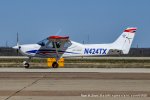
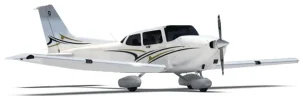
I'll bite... I'll start with saying that to develop anything better than something else, it's a good plan to figure out what the goal is, to lead you to determine what "better" means. And then follow up with questioning some assumptions. First, why is a 172 is a popular trainer, and does that matter to the goal? I'd say it's a popular trainer now because there were a lot of them made many years ago, as general purpose GA aircraft, combined with the facts that it's relatively inexpensive to fly, has a very good safety record, and has handling and flying characteristics that are generally considered "good". So if you buy all that, does that make it a good trainer? And again, what does good mean? Inexpensive? Easy to teach with? Safe? Quicker to learn in than other aircraft? Able to be used to create "better" pilots after X hours? (Depending on what we mean by "better"). I'm also curious as to the "many drawbacks".
All that said, if we define "best" as "given X hours making pilots with the best stick/rudder skills", I'd say a 172 or a PA28 or Diamond aren't the best trainers, a Cub or a Champ are better. Because, IMO, learning tailwheel first will teach the fundamentals of VFR flying better, and that initial memory and skill set is valuable. But...that's not going to be the cheapest or fastest option, and it might not be the safest option.
Is the goal trying to qualify pilots for airline flying at the lowest possible cost? That's a different thing. For one, you can probably make it smaller, because they all have to pass that class 1 medical. 172 payload is perfectly fine.
Or is the goal to try to make as inexpensive a trainer as reasonably possible, to try to make GA flying affordable to more people? That's a different thing, too.
If we call that last one "goal 3", then I have some ideas, but I'm already rambling too much. I'm not sure if anyone's done that last one, and I say that because airplane companies are in business to make money selling airplanes, not to solve problems.