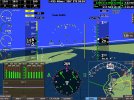
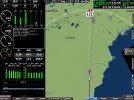
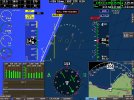
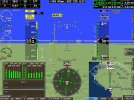
Adaptation to glass varies. I've been flying about 35 years so, like you, my initial experience was analog. I got my instrument rating with a traditional six-pack, dual VORs, and an ADF. My first glass was with G1000 just about 15 years ago. Since then, I've flown and/or taught in many of the combinations available from Garmin, Aspen and Dynon. I feel equally comfortable with all of them, as well as analog instruments. If I have a specialty as a CFI/CFII its avionics transitions and mastery.
This is my perspective. People adapt at various rates. Those who don't adapt at all fall into two categories. First is those who simply choose not to make the effort. They climb into their first glass, turn it on, get intimidated, and simple walk away. The second group are those who try to train themselves. There are definitely people who can do that, but they are few and far between. The ability to DIY has absolutely nothing to do with native intelligence or even the way you handle other kinds of technology. If anything, what a CFI does is break learning into manageable pieces.
Just as an example, I am a member of a club with two G1000 aircraft. We get new members who have not flown glass before and I typically do the training in three distinct steps.
1. Just getting used to the glass display. With analog, we have familiar dials. Holding altitude is noticing the position the altimeter hands and flying up or down to where it should be pointing. Like a wrist watch with no numbers, we hardly need to read the numbers at all. Not so with an altitude tape. For this stage, I cover the backup analog instruments to force getting used to the display and begin teaching simple strategies like bugging heading and altitude, pretty much always. I'll even bug pattern altitude for touch & goes.
2. Basic VFR functionality. To #1 it adds things like basic GPS flight planning and we will generally do a short cross country. A bit of autopilot work here as well. When they and I feel comfortable that they won't distract and hurt themselves, they are signed off with a VFR limitation. I tell them to go fly and practice.
3. Advanced. That's to cover questions they might come across and raise. For the instrument rated pilots, we move to IFR functionality. At this point, it more about the GPS navigator/FMS than about the glass PFD.





 ?