But they treat one as probable while these others are contributing. They might not call it such but in effect they assign blame, be it to a person or to a system, such is singular, and this leads to singular focus to a fix where really you want more than one fix. And they often either discount factors that still played or don’t even recognize that factors even existed. They write a nice neat simplified story. They don’t find truth, they ascribe it attribute it meaning they define it. And this means dogma and religion not science.
“Don’t dither the rudders.” “Single throw single axis.” True and good to reemphasize, but how about and also better separation? Wake avoidance? A more appropriate value for Va fitting the textual definition of Va? Or separate Va for pitch with different yaw limits and roll limits? (See AA 587 example as it has fed this discussion in this thread RE inadequacies of investigations and reports.)
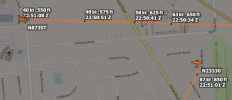
I agree that in some cases they focus on the proximate cause instead of the chain of events leading up to the crash but if you read the entire report they do list all of the events leading up to the crash. They also frequently list a bunch of things just like you want. e.g.
Probable Cause and Findings
The National Transportation Safety Board determines the probable cause(s) of this accident to be:
Findings
Occurrence #1: MIDAIR COLLISION
Phase of Operation: DESCENT - NORMAL
Findings
1. (C) RADAR ASSISTANCE TO VFR AIRCRAFT - NOT USED - PILOT IN COMMAND
2. (C) ARTCC SERVICE - DELAYED - PILOT OF OTHER AIRCRAFT
3. RADAR SEPARATION - NOT POSSIBLE - ATC PERSONNEL(ARTCC)
4. (F) VISUAL LOOKOUT - INADEQUATE - PILOT IN COMMAND
5. (F) VISUAL LOOKOUT - INADEQUATE - PILOT OF OTHER AIRCRAFT
Here’s another.
Probable Cause and Findings
The National Transportation Safety Board determines the probable cause(s) of this accident to be: the pilot's failure to set the trim as prescribed by the published check list. This led to a steep climb angle which caused the airspeed to decay, resulting in a stall at an altitude too low to allow recovery.
Findings
Occurrence #1: LOSS OF CONTROL - IN FLIGHT
Phase of Operation: TAKEOFF - INITIAL CLIMB
Findings
1. (C) CHECKLIST - NOT COMPLIED WITH - PILOT IN COMMAND
2. (C) ELEVATOR TRIM - IMPROPER - PILOT IN COMMAND
3. (C) AIRSPEED(VS) - NOT MAINTAINED - PILOT IN COMMAND
4. (C) STALL - INADVERTENT - PILOT IN COMMAND
5. (F) ALTITUDE - LOW - PILOT IN COMMAND
----------
Occurrence #2: IN FLIGHT COLLISION WITH TERRAIN/WATER
Phase of Operation: DESCENT - UNCONTROLLED