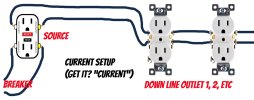
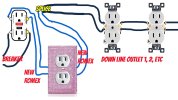
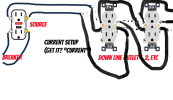
Well, I disagree with that. I certainly want to find out if the ground is missing. The little tester will show the missing ground and not trip the GFCI when the circuit might be "safe" (see below), but it can't yield a false indication of a safe circuit when it isn't. Therefore I see it as a feature, not a problem.
The tester can show if there is nothing connected tot he ground pin. It has no clue if the thing connected to the ground pin is an actual low impedance path back to the service disconnect (as it is required to be) or some booted grounded conductor.
You sound like you have just enough information on things to be dangerous, without understanding the true electrical safety requirements and the reasons behind them. I've been working on code requirements on Army bases, large state University systems, and through several houses that I have built. There are definite code requirements that exist and they come much like the provisions of FARS...written in blood in some fatal situation that had previously happened.