Good discussion... I'm kind of starting to think there are three parts to every takeoff:
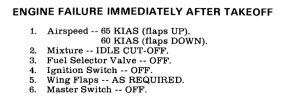
First, the "Chop and drop" part where you're low enough to at least have the mains hit the runway and go off the end at a slow enough speed to be survivable. The length of this segment depends on the length of the runway as well as all the factors that affect takeoff and initial climb performance. When you're still in this segment, except for the very end of it, you'll pull the engine to idle.
Second, the worst: You can't get back onto the takeoff runway, but you're not high enough to maneuver for another runway. This is where you need to execute that plan you briefed before takeoff, and hit the softest, cheapest thing in front of you. When you're in this segment, keep the throttle to full so that any partial power you have is available, and only if that power is keeping you at least level or climbing do you consider whether to attempt to turn back. If the prop is stopped, maybe you turn off the fuel selector.
Third, the "well at least we're this high" option, where you're high enough to maneuver to a runway at the departure airport or into a relatively unobstructed landing space, and you treat it similarly to how you'd treat an engine failure in cruise or any other time of the flight after the first two options above are no longer required. At this point, you're likely high enough to troubleshoot *after* you get set up and on your way towards the desired landing spot, and secure once your spot is made.
Next thought is to come up with a sample script for the pre-takeoff briefing... Hmmm.





 you perform a runup before takeoff) should quickly reveal if the fuel is not flowing.


