so how to make sure u r safe?
If you have been trained properly, and paid attention during that training, you will do a proper preflight inspection. That preflight involves moving each control surface from stop to stop, unless the rudder is connected to the nosegear steering with hard links such as with some Pipers. Most Cessnas use spring bungees between the rudder pedal bars and nosegear, and those bungees will try to re-center the rudder to whatever position the nosewheel is in. If they don't, you have problems. A broken rudder bar return spring, broken bungee spring, a failed cable, something that needs urgent attention. If you move the elevator up and down while standing at one end of it, you can watch the control wheels ("yokes", as some mistakenly call them) move. Same with the ailerons.
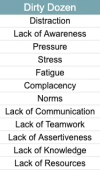
Now, if you do all that, how could you possibly miss external gustlocks still in place?? And if you don't do it, your training was deficient, or you have become complacent, and Complacency is one of the Dirty Dozen accident factors.
Checking to see if the pedals move freely without watching the rudder is rather futile, but we won't ever know when the parts separated.
Taildraggers are most often steered by attachment to the rudder or the aft sections of the rudder cables or to bellcranks in the aft tailcone. If you can't steer the airplane on the ground,
cancel the flight instantly. This is not rocket science. Nosedraggers with rudder-related steering could have an unseen problem, but the feel of ths system should be off. A pilot could develop the habit of working the rudder just after opening the throttle for takeoff, there should be prompt and unmistakeable yaw and the back pressure should have risen.
Broken cables and bellcranks are rare except in poorly-maintained and cared-for airplanes. Cheap, quick annual inspections and lousy tiedown practices, and yes, you could have regrets.
Rudder and pedals do not move freely on the ground; they are tied to the nose gear. How are you gonna check that flight control, other than turning during taxi?
As above. Cessna's steering is springy, Piper's isn't. If they're stiff during taxi, you have a BIG problem.
So much of this is just another of the Dirty Dozen: Lack of Awareness. A fellow instructor was about to fly a friend's old 180, but as he moved the ailerons during the preflight he could hear scratching sounds coming from inside the airplane. He cancelled his plans. He was Aware, see? An aileron cable was found to be so badly frayed in the cabin ceiling that broken wires were sticking out far enough to scratch the roof skin. That airplane was getting cheap annuals. That fraying took years to develop, not just a few months, and nobody caught it. The owner of the airplane was not in the habit of preflighting, either.