
1st emergency landing

ahmad

Line Up and Wait
Joined
Apr 9, 2017
Messages
576
Location
S Illinois
Display Name
Midwest Aviator
Home Airfield
KMVN
1st real emergency landing under my belt. Departed M34 in my 1969 C150 heading for MVN. 9 miles climbing through 4000 for 4500 and all of a sudden my RPM went from 2600 to 2100. Hmmm, check everything out and its not the fuel. carb heat on for a min and off and no change in performance. Ok lets do carb heat again. this time carb heat gets stuck on on and wouldn't got back in.
immediate turn back for M34. I didn't have the glide distance so tried to climb or at least maintain my altitude till I knew I had the glide distance made. Memphis center says descend and maintain 2200. I declined and stayed at 4000ish till I was over the field. steep spiral and landed safely. No clue yet but I suspect its one of the cylinders. I am getting very close to the TBO hrs.
 

Attachments
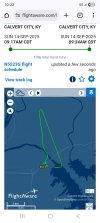
  • Screenshot_20250914_102220_Chrome.jpg
    Screenshot_20250914_102220_Chrome.jpg
    446.5 KB · Views: 42
Last edited:
Well done! I’m trying to remember what type of plane you fly but your bad cylinder theory seems sound. Do you have an engine monitor with a log you can export to look for more clues?
 
Why would carb heat stay on? Perhaps something in the induction path broke and choked off some air. Hopefully easy fix (better/cheaper/easier/shorter) rather than a cylinder or overhaul!
 
Well done! I’m trying to remember what type of plane you fly but your bad cylinder theory seems sound. Do you have an engine monitor with a log you can export to look for more clues?
Thank you. It is a 1969 C150. no engine monitors unfortunately.
 
yyeah I'm
Why would carb heat stay on? Perhaps something in the induction path broke and choked off some air. Hopefully easy fix (better/cheaper/easier/shorter) rather than a cylinder or overhaul!
not sure. Its the 1st time i have had that happen. no issues when I did the run up.
 
Loss of compression on one cylinder will cause the RPM change you described. It would also cause significant shaking. In my case the shaking was significant enough to knock a hole in the lower cowl with the rocker cover.
 
Great decision making, especially telling ATC no and keeping your altitude until over the airfield.

I'd pull that cowl and have a look at the carb heat cable. Any flight or engine control that ever gets stuck is a major issue.

IMO this is a scenario where an engine monitor pays off. Running in normalize mode will tell you quickly whether the power loss comes from one cylinder or across all of them. Not to mention having a carb temp probe is handy. When you get the engine overhauled, recommend you consider installing a 4 cylinder monitor. It will help big time with break in.
 
Yes indeed, glad you landed safely! Congratulations on a great outcome.
 
Been thinking about it and now I'm not sure its a cylinder because I didn't have a shaky or really rough running engine. Using the carb heat with no change in performance and then the lever getting stuck makes me think theres something blocking the air induction. Taking a mechanic to the plane tomorrow to find out. hoping he can figure it out after taking the cowling off.
 
Why would carb heat stay on? Perhaps something in the induction path broke and choked off some air. Hopefully easy fix (better/cheaper/easier/shorter) rather than a cylinder or overhaul!
pick the brains of couple A&Ps and they think what you are thinking. we'll hopefully find out tomorrow.
 
No injuries or worse, showed gumption with the controller and the plane can be used again, great job.!!

Been thinking about it and now I'm not sure its a cylinder because I didn't have a shaky or really rough running engine.
Echoing others, if you didn't lose all your fillings in your teeth then it probably wasn't a cylinder loss.

I remember my first ''emergency''. I was a student and on a solo flight. I left the seat belt hanging out of the passenger door. Man, what a racket.!!! I thought the cowling had come loose and was in the propeller.

Lesson learned: always fastened the belts on empty seats.
 
Ended up being the carb heat cable to the butterfly come loose. Got that fixed up and after a thorough run up I got the plane home.

Thanks for everyone's input and feedback. I'm relieved it was not anything major.
 
Ended up being the carb heat cable to the butterfly come loose. Got that fixed up and after a thorough run up I got the plane home.

Thanks for everyone's input and feedback. I'm relieved it was not anything major.
Glad to hear the good news. Also, very impressive carb heat to make a 500 rpm drop.
 
When you declined 2200 did you declare your engine trouble? Or did ATC ask about your declination? Thx
 
Ended up being the carb heat cable to the butterfly come loose.

I strongly believe owners should do their own oil changes. While the cowl is off, pressure wash the engine with mineral spirits, inspect for leaks, and check all engine controls. Non-cottered fasteners should be marked with torque seal. Over time you will learn your airplane and have a better chance of catching issues like this in between annuals.
 
Glad to hear the good news. Also, very impressive carb heat to make a 500 rpm drop.
As discussed in another thread I have flown a few airplanes that will do this if not significantly leaned.

I have had a carb heat cable break in flight. Did catch my attention pretty quickly as the engine lost about 150-200rpm at cruise power.
But was pretty obvious to me what happened as when I pulled the carb heat knob the cable started to pull completely out if I had continued to pull it.

Brian
 
Last edited:
Congrats on good decision making.

Did you declare an emergency, Pan Pan, or just tell ATC you were returning?

Were you already on a flight plan, or were you VFR and then dialed up ATC?
 
Don't intend to be dumping here, you did good for sure. Just something to think about. Why didn't you turn back immediately when rpms dropped?
 
Don't intend to be dumping here, you did good for sure. Just something to think about. Why didn't you turn back immediately when rpms dropped?

I think he did what most of us would do, which is fiddle with the controls to try to fix it first.
 
1st real emergency landing under my belt. Departed M34 in my 1969 C150 heading for MVN. 9 miles climbing through 4000 for 4500 and all of a sudden my RPM went from 2600 to 2100. Hmmm, check everything out and its not the fuel. carb heat on for a min and off and no change in performance. Ok lets do carb heat again. this time carb heat gets stuck on on and wouldn't got back in.
immediate turn back for M34. I didn't have the glide distance so tried to climb or at least maintain my altitude till I knew I had the glide distance made. Memphis center says descend and maintain 2200. I declined and stayed at 4000ish till I was over the field. steep spiral and landed safely. No clue yet but I suspect its one of the cylinders. I am getting very close to the TBO hrs.
This is a club I hope never to join. If forced to, I hope to handle it this well.
 
IMO this is a scenario where an engine monitor pays off. Running in normalize mode will tell you quickly whether the power loss comes from one cylinder or across all of them. Not to mention having a carb temp probe is handy. When you get the engine overhauled, recommend you consider installing a 4 cylinder monitor. It will help big time with break in.
You're right, of course. But when you're flying something with the value of a C150, it would be hard to invest the cost of a multi-probe engine analyzer. No offense to 150 owners! :cheerswine:

And kudos to the OP!
 
I guess I’ll say to you something a friend said to my wife after our big emergency…

“Well, you got that one under your belt.”

Congratulations on a good outcome. Even better if you learned something from it.
 
when you're flying something with the value of a C150, it would be hard to invest the cost of a multi-probe engine analyzer.
I agree, some instruments are definitely overkill.
But one of these (https://www.aerospacelogic.com/engi...er-cht/four-cylinder-egt-cht-combination-kit/), for example, might be worth considering. Yes, no logging capability and small display, but can be installed by a moderately skilled owner under A&P supervision, keeping the overall cost down. If it saves you a cylinder overhaul, it pretty much paid for itself.
 
Congrats on good decision making.

Did you declare an emergency, Pan Pan, or just tell ATC you were returning?

Were you already on a flight plan, or were you VFR and then dialed up ATC?
Departed VFR. I do this flight almost every Sun morning. Picked up flight following with Memphis center. When the RPM dropped I it was a noticeable sound and feeling. I stayed on my heading and tried to trouble shoot. I was hoping it was carb ice as the humidity was high. When I pulled and cycled the RPM I noticed no change in performance or RPM I knew it wasnt carb ice. Tried pulling the carb heat again and this time the lever got stuck in the pulled position. Thats when I knew I had a problem and initiated a 180 back. Called center and said I am returning back to M34 and I am having engine issues. Center acknowledged it and came back and asked me to descend and maintain 2200 and report the field insight. By then I already knew I did not have the glide distance(I have the performance tables all on floreflight for every plane I fly). I was already at least 3 miles short of making M34. I told have negative I am staying high till I am over the field. Once over the field I told center I was going to perform steep spirals to land. They cancelled flight following and asked to call them once on the ground.
 
Don't intend to be dumping here, you did good for sure. Just something to think about. Why didn't you turn back immediately when rpms dropped?
I pretty much turned back about 60 secs after it happened. At 1st I thought it was carb ice and figured it wasnt an emergency. Tried to fix the problem. When I knew the carb heat lever was not doing anything thats when I thought I had an emergency on my hands.
 
You're right, of course. But when you're flying something with the value of a C150, it would be hard to invest the cost of a multi-probe engine analyzer. No offense to 150 owners! :cheerswine:

And kudos to the OP!
Thanks and no offense taken. I have a pretty decent avionics for a 150 (GNX 375 and GI275). But unfortunately no engine monitors. I am not going to keep this plane past next year.
 
Not just that event really but many experiences over the years. I’d focus on heading to a field first then “fiddle”.
Good area for thinking about. I see your point. A thought here to consider: It depends on how bad things are. A minor drop in RPM / speed? At what point do you pitch for best glide, head to a field and then fiddle?

In this case, plane was stable, engine making power, taking a few seconds to do what was trained - evaluate, check oil temp and pressure, carb heat - was what I'd do. Outcome here was successful.
 
This is a club I hope never to join. If forced to, I hope to handle it this well.
This was the 2nd time I have had an issue. This one was a real emergency since I couldnt resolve the problem and really did not know what the issue was.
My 1st incident was last year in the same plane. I think I had like 500 hrs or so. Engine started running rough and the the RPM kept dropping. I was heading for a corn field already and really thought I was landing in the field. At 1500 AGL the light bulb went on. Hey idiot, remember when you learned rough running engine and loss of RPM is carb ice build up? Turned the carb heat on/off and RPMs recovered fully and I headed home.
 
Departed VFR. I do this flight almost every Sun morning. Picked up flight following with Memphis center.
DOUBLE kudo's - good decision making well before you even had a problem.
 
Just helped a friend replace the air intake box on his C150. Similar issue, carb heat lever broke off and it was stuck with carb heat on. It happened once before but the weld fix broke on the weld. Good job Ahmad!
 
My money is on a mag issue. On your troubleshooting checklist might be an in-air mag check.
 
Back
Top