Pending cost of FAA mandates for legacy aircraft

Except Rotax was purpose built for airplane applications. But the issue for car engines is not power or weight, its their output torque "powerband" at a specific RPM. Was told many years ago, the closest car engine that could output max torque at 2700 RPM for extended times was a properly geared down F1 or similar engine.
Are you sure? From what I learned previously, Rotax adapted their snowmobile engines to aviaition. Following the lead of experimental aircraft builders who had been buying them.

Tim
 
The cost to build a new 172 may have doubled, tripled, or even quadrupled since first introduced in the 50s, but the purchase price has increased 10 fold.
Only 10-fold? Much more than that. In 1973 I asked the local Cessna dealer how much a new 172 was. $23,000, he said. Now they're near what? $500K? Over 20 times. And that was just since 1973. Since 1956 it must be 30 or more times.

The production costs have also risen dramatically, but that new 172 also contains a whole lot of bells and whistles that the original versions didn't.

A 1956 Chev 210 4-door sedan, with a V-8, was $2025. What is the cost of a current equivalent?

Are you sure? From what I learned previously, Rotax adapted their snowmobile engines to aviaition. Following the lead of experimental aircraft builders who had been buying them.
Their snowmobile engines bear no relation to their aircraft engine, which is a four-stroke, opposed four-cylinder, geared engine. Their snowmo engines were, for a very long time, 2-stroke twins. Ultralights used them. Rotax was willing to sell them for ultralights, and created a gearbox for them.
 
Only 10-fold? Much more than that. In 1973 I asked the local Cessna dealer how much a new 172 was. $23,000, he said. Now they're near what? $500K? Over 20 times. And that was just since 1973. Since 1956 it must be 30 or more times.

The production costs have also risen dramatically, but that new 172 also contains a whole lot of bells and whistles that the original
Part of the „good old days of GA“ misconception is the unreflected comparison of prices for similar, but not equal products. Yes, the C172 and PA28-181 are still today more or less the same airframes as in the mid-70s, but the buyer had to pay literally for everything extra. The equipment was the pure minimum for VFR day flying. The price list was thicker than the sales brochure. Piper charged for the headrest, corrosion protection, sound insulation, beacon and even for the entry step. IFR equipment and an autopilot alone easily doubled the base price.

When adjusted for equipment and inflation, today‘s prices for C172 and PA28 are pretty much on the same level like in the mid-70s. That is based on the low volume in comparison to the 60/70s pretty amazing.
 
Seems my op drifted from topic, and likely better off under a new post. There’s a lot of views and mis info RE using non aviation stuff on planes, especially car engines and the critical opinions based from its it’s not designed for a plane than it shouldn’t be used on a plane, to multiple others. . But I would suggest consider potential solutions (aircraft design or otherwise) from different perspectives and mission of said solution. This is similar to a problem an engineer gets in school wherein given a problem to solve with limited resources, such as time, cost, mission effectiveness, ECT…

This is how we approached the high cost, environmental and other challenges a new affordable aircraft solution faces. We knew leaded gas would eventually be outlawed as it was in 1980s for all other segments so we needed alternative gas design; modifying existing aircraft engine offers significantly lower acquisition or operating savings; starting a clean sheet design loses out due to cost, time and insignificant ROI for funders; ECT, ECT…

We knew the majority of the engine would need to be readily available at mass produced price points; had to be light weight enough to work with intended airframes, ECT, ECT… was any such car engines design a perfect solution ? Of course not, but these perimeters were the only choice that had a chance for a viable solution. Again, our mission was to make legacy aircraft cheap and cleaner to fly. There is a reason why there’s been little meaningful affordable engine innovation in decades, to do it per traditional aviation means is a proven failure.

So to those that down any idea that any solution won’t work and immediate crash just because it’s not the same legacy engine is missing the big picture and would fail the assignment. Lycoming has not had any interest in building a cheaper and cleaner engine in decades for good reason. Thats the core of the need for a solution. So with that thought process, ga will continue its demise as some proclaim the only solution is using the same vintage tech, and that 1950s tech and manufacturing is still the best solution ( evenhough all other engine segments have long moved on)….and nothing will change, and the problem continues until rec ga for average guy disappears.

Rotex is great example of using a design from a mass produced segment…. It’s not perfect but its advantages far exceed its faults, and result is allowing more pilots to afford to fly….the fundamental mission of most ga in my opinion. EPS diesel went BK after close to $60m trying the traditional way to make aircraft engine.

So for those that steadfast say there is no room for compromise from the tried and try, I’d say maybe from one perspective, but ultimately a moot point when only a few can afford to participate in ga and shrinks into near non existence.

Our c172 v8 is likewise imperfect in some ways, but it allowed a few to get their pilots license that would otherwise wouldn’t …. Recently we had our first CFI training and FAA check ride in it, allowing a young guy to afford it that would otherwise have to save up another 4-6 months to do it in the stock c172 he was renting. We had a high schooler that did her PPL training and check ride in it for all in cost of $3500 including 60 hrs plane, 30 CFI and even DPE fee…..most were spending over $15k and taking loans and many give up on the dream after the reality of dwindling savings or loan payments. For some of them at least, an old non traditional and experimemtal c172 made the difference in even being able to fly in the first place, let alone get a license.

I simply mentioned for consideration if old planes that exceed their useful life in the certified world because of high cost of shops, inspections and hourly certified rates can find alternative means of reaching same safety at lower cost to keep ‘em flying. They are simple birds and owners or other non AMTs may be able to do more of the work and maintenance, which is allowed in primary category. The legacy fleet will continue to be the staple for most pilots for another decade or 2 regardless of LSA’s benefits, anything would help. It’s time to start thinking outside the box.
 
I started my flight training in a J3 Cub N6158H in 1969. One day that summer a tornado came through and I have picture of it as a ball of metal tubes and fabric. But look it up, the darn thing is still flying today.
 
Are you sure? From what I learned previously, Rotax adapted their snowmobile engines to aviaition. Following the lead of experimental aircraft builders who had been buying them.
Their 2-stroke engines, which are no longer produced, were derived from their snowmobile engines. The 4-stroke 9xx engines are a clean sheet design.

Rotax could do it because unlike an automaker, they were already in the low volume recreational business
 
Are you sure?
As mentioned above, yes. But what I think is interesting in the context of this thread is why Rotax dropped their 936 engine project if there is such a demand for alternative engine options?

It’s time to start thinking outside the box.
Except people have been thinking outside the box since the 1990s about recreational aviation, but the market never showed up to buy those innovations in mass. Its simple economics vs regulatory hurdles that is the hindrance which is proven by aircraft OEMs and the investments in all other US aviation markets every year. And even proven by your market strategy not to initially sell your V8 STC in the US. So why should anyone else try?
 
Part of the „good old days of GA“ misconception is the unreflected comparison of prices for similar, but not equal products. Yes, the C172 and PA28-181 are still today more or less the same airframes as in the mid-70s, but the buyer had to pay literally for everything extra. The equipment was the pure minimum for VFR day flying. The price list was thicker than the sales brochure. Piper charged for the headrest, corrosion protection, sound insulation, beacon and even for the entry step. IFR equipment and an autopilot alone easily doubled the base price.

When adjusted for equipment and inflation, today‘s prices for C172 and PA28 are pretty much on the same level like in the mid-70s. That is based on the low volume in comparison to the 60/70s pretty amazing.
Even if you increased the price of a 1970s PA-28 or C172 by 50% to include the "options", it still wouldn't come to half of the current selling price (inflation adjusted). Stating otherwise is just burying your head in the sand. The price with every last option wouldn't even break $175K in today's dollars. The aircraft, glass panel or not, isn't functionally different from its predecessors and has less useful load. It is no more "capable" than the first one off of the production line. It's the equivalent of driving a 1970 Malibu with a touchscreen stereo system and better seat belts, lol.

Sent from my SM-S938U1 using Tapatalk
 
Rotax are snowmobile engines just like Continentals are automobile engines and Lycomings are sewing machines because that's what they made first.
 
Don’t get lured by ancient base price numbers.
Let‘s go over the 1974 Piper Warrior price list

Base price 14,990 $

If you want to have lights, beacon, altimeter, assist strap, entry step, oil filter, shoulder belt front, engine primer, a vacuum pump and some instruments, add the discounted Executive package for 2,930 $.

Despite the name, the package content is still very basic. A lot more boxes to check on the order form:

External power receptacle + 65 $
Corrosion protection + 530 $
Stainless steel control cables + 190 $
Fire extinguisher + 40 $
35 amp battery +15 $
Heated pitot + 70 $
Rear vents + 90 $
Rear shoulder belts + 130 $
Overhead vents + 175 $
Ventilation fan + 190 $
Electric trim + 205 $
Vertically adjustable seats + 180 $
Headrests + 110 $
Anti-collision lights 415 $
Alternate static source + 70 $
Sound proofing + 175 $
Sun visors + 25 $
Tow bar + 20 $
Luggage tie-down straps + 15 $
Outside Temperatur gauge + 25 $
Group KTS 3-28 ( two KX 175B, KNi 520, KN 77, ADF etc) + 12,210 $
DME + 3,230 $
Glide slope coupler + 630 $

This brings the bill to 36,725 $.

Now, take your preferred inflation calculator. Perhaps this one, at least it can claim some official credentials.


You end up with an inflation adjusted price in the 260k ballpark. Piper is currently not publishing any price lists, but the reported price tag for the Piper Pilot 100i in 2025 was roughly 300k for the instrument version. You get in my humble opinion a way better aircraft with 180 hp fuel injected engine, G3X, GFC500 and GPS.
 
So to those that down any idea that any solution won’t work and immediate crash just because it’s not the same legacy engine is missing the big picture and would fail the assignment.
I, and a lot of other older guys that have been in this for over 50 years, have seen many attempted auto conversions that later did crash. Those that did not crash frustrated their builders to the point that they junked the whole thing or just went and bought a Lyc or Continental. What are we supposed to think about auto conversions after a history like that?
Trying the same thing over and over again and expecting different results is the definition of insanity.
ome proclaim the only solution is using the same vintage tech, and that 1950s tech and manufacturing is still the best solution ( evenhough all other engine segments have long moved on)….
Another misconception. People look at a Lyc/Cont and see an engine that looks pretty much like the one in Grandpa's ancient Piper Pacer. So it must be the same tech, right?

It's not. The metallurgy has come a long way since then. Much longer TBOs bear this out. Lycoming, in just the last 30 years, has changed from bronze valve guides to a high-chromium-content bronze, eliminating their guide wear problems. They switched to roller lifters to get far better cam life, but owners still insist on going out to the airport and ground-running their engines and then putting them away, thus filling the crankcase with water and other nasty stuff that ends up creating acids that eat that engine. Can't fix stupid, even with the manufacturers issuing Service Letters advising against that. Fly it or leave it alone.
The aircraft, glass panel or not, isn't functionally different from its predecessors and has less useful load.
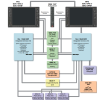
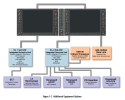
Those of us who have worked on the newer airframes can tell you that they're not the same. Cessna improved many areas that had been giving trouble in service, especially with regard to cracking in stressed areas. They made massive improvements to the seats and seat rails and locking mechanisms. The FAA mandated stronger seats by FAR revision. Those seats weight several times what the old ones did. They upped the horsepower and installed fuel-injected versions of the engines. Fuel injection costs a lot more than a carb. For FI you have to have an engine-driven fuel pump as well as an electric boost pump. The old carbed 172s had no fuel pumps at all. All this reinforcement, along with the glass stuff and a bigger engine and epoxy priming inside and out, added 300 pounds to the empty weight. They raised the gross by 250 pounds to make some allowance for that. Bigger fuel capacity also added to the gross weights. The glass stuff includes two fairly heavy panels, a lead-acid standby battery ahead of the PFD, a rack of radio stuff behind the panel to the right of the battery, and a rack of more stuff underneath the baggage shelf. There's a big, thick cable between that rear stuff and the front stuff. There are standby instruments and the vacuum to drive them. There are five electrical buses instead of one. There are autopilot servos in the wing and tail. There's a magnetometer in the left wing. Stuff everywhere.

Most pilots and owners never see all this stuff. All they see are the two glass panels, and think they're like a couple of tablets. They're not. At all.

You think all this stuff is light and cheap?

1781369566464.png

1781369630694.png
 
Well, renting with extra steps (aka partnerships) ain't gonna save this hobby either, since that's the retort dujour when the "poors" dare bring up cost. Which is ironic, as frankly I struggle to identify a recreational activity where the incumbents are this reflexively antipathetic towards people showing organic interest in expanding the activity in the first place. These people probably trip their own kids' feet on their way to school and dub it character building....

Speaking of "nothing will even work unless it's the status quo": What happened to the clone engines? In the end, it failed to provide any significant savings of consequence, which I define as automotive crate engine conversion cost equivalent (see Honda/Subarus/GM conversion costs), in spite of the purported regulatory relief it enjoys. I think for those who are steadfast about no automotive conversion can ever work at scale, the clone enigne should have been that deus ex machina. womp womp.

Of course, when the cost to overhaul the thing is pegged to the exact certified overhaul regulatory burden it tried to run away from, you just poison pilled the cost basis of initial purchase. It becomes a deskjet printer problem: Replacing ink cartriges that cost more than the entire printer may work for 40 dollar printers, but it becomes a hella non-starter when we're talking about 40K cost basis before R/R.
 
Only 10-fold? Much more than that. In 1973 I asked the local Cessna dealer how much a new 172 was. $23,000, he said. Now they're near what? $500K?
Well adjusted for inflation $23k in 1973 was equal to $180k today so then you just bolt on $200k worth of avionics, leather upholstery, add power, more fuel... They did take out the ashtrays and cigarette lighter though.
 
Well, renting with extra steps (aka partnerships) ain't gonna save this hobby either, since that's the retort dujour when the "poors" dare bring up cost. Which is ironic, as frankly I struggle to identify a recreational activity where the incumbents are this reflexively antipathetic towards people showing organic interest in expanding the activity in the first place.
Again, the reason you and a few others struggle with your identity is because this recreational activity simply shares the same regulatory foundation as its commercial activity brethren... which most knowledgeable incumbents fully comprehend. But for those that do have a true organic interest for change at this level, there is LSA, E/AB, and Ultralights which provides even the most rule challenged individuals an alternate path to enjoy their recreational activities in their own manner, free from any antipathy. Why is this so hard to understand?
 
Don’t get lured by ancient base price numbers.
Let‘s go over the 1974 Piper Warrior price list

Base price 14,990 $

If you want to have lights, beacon, altimeter, assist strap, entry step, oil filter, shoulder belt front, engine primer, a vacuum pump and some instruments, add the discounted Executive package for 2,930 $.

Despite the name, the package content is still very basic. A lot more boxes to check on the order form:

External power receptacle + 65 $
Corrosion protection + 530 $
Stainless steel control cables + 190 $
Fire extinguisher + 40 $
35 amp battery +15 $
Heated pitot + 70 $
Rear vents + 90 $
Rear shoulder belts + 130 $
Overhead vents + 175 $
Ventilation fan + 190 $
Electric trim + 205 $
Vertically adjustable seats + 180 $
Headrests + 110 $
Anti-collision lights 415 $
Alternate static source + 70 $
Sound proofing + 175 $
Sun visors + 25 $
Tow bar + 20 $
Luggage tie-down straps + 15 $
Outside Temperatur gauge + 25 $
Group KTS 3-28 ( two KX 175B, KNi 520, KN 77, ADF etc) + 12,210 $
DME + 3,230 $
Glide slope coupler + 630 $

This brings the bill to 36,725 $.

Now, take your preferred inflation calculator. Perhaps this one, at least it can claim some official credentials.


You end up with an inflation adjusted price in the 260k ballpark. Piper is currently not publishing any price lists, but the reported price tag for the Piper Pilot 100i in 2025 was roughly 300k for the instrument version. You get in my humble opinion a way better aircraft with 180 hp fuel injected engine, G3X, GFC500 and GPS.
$300k for an IFR-equipped 180hp fuel injected new Part 23 certificated airplane, especially a PA28 airframe, is actually surprising to me, considering a new 172SP starts at $550-600k.
From what I gather, a factory-built Vans RV12iS runs pretty close to that.
 
And even proven by your market strategy not to initially sell your V8 STC in the US. So why should anyone else try?
Our strategy initially was simple, sell a fwf kit that was a bolt on solution for old planes that were often being scrapped at TBO as FAA regs and insurance were not real factors for converting to exp category. But FAA policy made this approach iffy based on a 1950s policy that would likely be referenced and anyone installing the kit may be denied an EXP AWC, so started STC process but it was clear FAA leadership didn’t want it and we didn’t have the money or interest in battling it out. Our issue was not the market as we had substantial interest, it was regulatory and what I argue is a corrupt FAA culture when it comes to ga…..but it wasn’t that the market wasn’t there.

So with that, to more directly answer your question of why even try, because if no one tries nothing will get done. Imagine if we succeeded in terms of others following with even better stuff, and so on. Imagine if flight clubs popped up at local airport with c172 rentals for $60-$70/hr that burn cleaner and cheaper ethanol gas and are quieter and new tech avionics ….i hold the view that ga could begin a come back, maybe not to it’s past glory, but more than enough to sustain and continue growing . The market is there if the cost and access exists, like any other product or service.

again. many will argue the cost of operating a legacy IO engine is justified for safety. I am not arguing that point but suggesting that not looking for cost effective solutions makes that point unsustainable as said cost is primarily reason of GA's slow demise making the mostly non disruptive industry ....it's not illogical to think Lycoming gets to point where not enough parts are sold to substantiate their costs and it's sold off to a third party, such as Mooney, or shut down untill buyer wants in, that will likywait to bk sale costs. fact remains. ga must find imperfect solutions to survive in any meaningful way. new LSA cat hopefully will help depending on costs and many wont build a kit,... repowering old planes seems like path of least resistance in short term.

have seen many attempted auto conversions that later did crash.
not going to rehash challenges and history of amateur auto conversions, other than few had resources to do it professionally, as well as remind that certified diesels start as a car engine.
 
not going to rehash challenges and history of amateur auto conversions, other than few had resources to do it professionally, as well as remind that certified diesels start as a car engine.
Yes, they started as car engines, and in the early twins they had a problem with quitting when the battery voltage fell too low. The battery, already too low, was boosted to start the two engines, and when the pilot selected gear-up, the voltage fell further and the ECU quit. The alternator had not had time to recharge the battery. That ECU needs 11 volts to avoid resetting. The AFM warns against jumpstarting these airplanes due to the EFI's and EI's current requirements, unlike the legacy stuff (magnetos and mechanical fuel injection) that need no outside power to keep running. So that "car" engine needs special training, almost another pilot rating, to operate it.
 
Imagine if flight clubs popped up at local airport with c172 rentals for $60-$70/hr that burn cleaner and cheaper ethanol gas and are quieter and new tech avionics
Are you saying that your engine cuts the total operating costs to half or less? What about the rest of the airplane: tires, brakes, stuff that students are hard on? What about oil and filter changes? Insurance? The set-asides for engine and prop overhaul? The profit for the flight school? They aren't going to accept half the profit, are they? They still have to cover their fixed overheads, like hangarage, heat, light, building insurance and so on. Their mechanics aren't going to work for half the pay, either. And those new-tech avionics have a habit of needing periodic updates, usually via $ubscription, and that cost will not decrease no matter what engine is up front.

I worked in a flight school. Was the director for a time. There are many unseen costs, and periodic engine replacements are only a small part of that.
 
again. many will argue the cost of operating a legacy IO engine is justified for safety. I am not arguing that point but ...
Oh I'll gladly engage that point. In short: they're lying, this winged lawnmower ish isn't a technical moonshot, but many people profit from pretending it is. Some end users just use safety as a pretext, like NIMBYs use children as the same. And like them, ultimately they're just incumbent ladder pullers who don't care if there's a hobby left when they medical out.

There's also a separate subset who built careers as remoras managing the admin of that status quo. Few are going to turn around and concede their livelihood was rent-seeking in nature. But that's not who one needs to win over anyways so it's moot.

As to couching this effort on lowering flight school costs, I applaud the effort but I don't think that angle has much legs left. There's no shortage of get rich quick dum dums pining for upper middle class legacy FO dreams who otherwise lack the aptitude or attention span/boredom tolerance to go to [proverbial] med school (spare me the love of flying canard, airline work is as far removed from handflying catharsis as running a fast food franchise).

Flight training costs will never slow those people down, what you hear on that front is the screech from those who can't afford the financing either. But that dynamic is not unique to pyleting, I've seen it in healthcare too, as someone who is bankrolling my own spouse through nursing advanced education, especially now that the current federal administration took a hatchet to lending in selected fields. The irony of course is that financing is the very reason inflation kicks them out of their own dreams. Lending is definitionally inflationary, but don't tell the marshmallow experiment crowd that. Point being, the issue of vocational training affordability shouldn't be the driver for recreational affordability. It just poison pills it.

The solution should be a decoupled one from revenue ops, because the latter is going to simulator only/MPL in 2 decades time anyways. It needs to be self-sustaining for a recreational use case. All that said, I still applaud and commend your effort with the 172.
 
Ethanol has a negative energy ROI. If/when cheaper than gasoline, it’s because it’s subsidized.

And everything else is double or triple in price from a decade ago regardless.

But the biggest issue overall is loss of communal interest, partially engendered by the constant daily pad of life in small aircraft.
 
Our issue was not the market as we had substantial interest, it was regulatory and what I argue is a corrupt FAA culture when it comes to ga…..but it wasn’t that the market wasn’t there.
Interesting. What specific “FAA corrupt culture” prevented you from applying for and obtaining a STC for your V8 installation? And what was the projected number of V8 kits you anticipated to sell once the STC was approved?
 
so started STC process but it was clear FAA leadership didn’t want it
You keep referring to "FAA Leadership". So who are these individuals?
it was regulatory and what I argue is a corrupt FAA culture when it comes to ga…..but it wasn’t that the market wasn’t there.
You cite "corrupt FAA culture" but offer no examples.
 
Ethanol has a negative energy ROI.
If, by "energy deficit", you are comparing the energy in a gallon of ethanol compared to a gallon of gasoline, this is correct as ethanol has about 2/3 the energy content of a gallon of gasoline. E10 cuts fuel economy by 3 to 4%. Assuming you are discussing the energy required to produce ethanol, that is old information (1). The older studies treated all of the energy inputs for corn to be used for producing ethanol while ignoring byproducts such as distiller's grain and forage for cattle. After harvest, cattle are released into fields to forage on stalks (2). The EROI of corn production has unfortunately been politicized to the point that it is difficult to get good information.

(1) https://www1.eere.energy.gov/bioenergy/pdfs/energy_balance_of_corn_ethanol.pdf
(2) https://cropwatch.unl.edu/2024/past...egies-residue-and-winter-feed-considerations/
Agree it’s been politicized and has a very strong lobby. At best fear it’s 1:1 so better to just burn the oil than use the agricultural process to make transport ethanol out of it.
 
Agree it’s been politicized and has a very strong lobby. At best fear it’s 1:1 so better to just burn the oil than use the agricultural process to make transport ethanol out of it.
It's better than 1:1 but probably not much better. They don't need to distill the stuff so much anymore, saving a bit of energy. I agree about the lobby pushing hard.
 
so started STC process but it was clear FAA leadership didn’t want it and we didn’t have the money or interest in battling it out. Our issue was not the market as we had substantial interest, it was regulatory and what I argue is a corrupt FAA culture when it comes to ga…..but it wasn’t that the market wasn’t there.
I applaud your efforts, and I always enjoy reading your posts here.

STC does seem to be a reasonable path, given me limited knowledge of that arena. I do know it would take a ton of time and money to get there.

Curious if there is any close analog that could give you an idea of the time and money required for STC certification? I don't believe anyone has ever STC'd an auto engine into a plane, but maybe one of the piston to turboprop conversion STCs would be give you an order-of-magnitude idea of how much time and money would be required (assuming the STC holders would be willing to give that info).
 
Unpopular opinion: The market does not favor “cheap by aviation standards” aircraft. The insurance nut is a huge part of the cost of a modern aircraft but yet the aviation industry doesn’t allow insurance limits that match the current realities of a fatal or even worse, an accident that leaves 3-4 people severely injured. One million smooth is simply not enough and leads injured parties to sue everyone. This includes to company that built the less than 18 year old airframe or engine.
 
I applaud your efforts, and I always enjoy reading your posts here.

STC does seem to be a reasonable path, given me limited knowledge of that arena. I do know it would take a ton of time and money to get there.

Curious if there is any close analog that could give you an idea of the time and money required for STC certification? I don't believe anyone has ever STC'd an auto engine into a plane, but maybe one of the piston to turboprop conversion STCs would be give you an order-of-magnitude idea of how much time and money would be required (assuming the STC holders would be willing to give that info).
thanks, mostly get same annoying contrarians commenting-pontificating-opining on my posts about this.

. cost of a major stc can vary immensely, and can take hundreds of paths to show compliance. typically a DER will work to find quickest and cheapest method acceptable to FAA to demonstrate your atticle meets the certification basis, such as part 23. this is a huge part of the process in determining what cost will likely be....so one applicant that say uses tradional methods, such as physically bending wings using large hydraulic presses (destroying the sample aircraft in the process and hoping you don't need to repeat it with another plane) to show the wings don't fail under the load required, will cost more than applicant that uses computer analysis software to do the same.

the agreed upon or required methods of demonstrating your stuff must do to be certified is documented in a paper called a g1 issue paper or similar (it's essentially what you and faa agree must and how to do for certification), with that you then have a plan you can calculate what your budget ....but as with all budgets, you will go over it.

our initial G1 basis was a deal killer due to the faa required software and hardware analysis basis which would have cost well over $2M for different reasons even though we used well proven DELPHI GM computers and software modified for part 33 redundancy by the GM engineer that worked on the exact computers (EEC) we used....this was due to a 1980s policy written when such computers were being introduced in the automotive world and there was little known about reliability....When faa allowed other means of compliance about 4 ish years ago we restarted the project with current c172 design (2nd plane, the first being one developed by a FL company called quiet aviation).

Most such programs get the FAA to approve use of designated engineering reps (DER) that can approve parts or all of the data and compliance, rather than the applicant submitting it directly to faa, which can take way longer and not normally the method for most larger projects. DERs are essentially your personal faa rep that you pay directly so they work for you, but you may need different DERs for different specialties such as electrical, structural, software, ect. they are basically like a DPE and sign off on your testing (there also companies made up of different DERs that can handle the entire cert called ODA but typically much more $)...so you need a big budget and the GA ROI isn't likely to make investment sense, and thus, fewer applicants do bigger projects. an example would be EPS Diesel engine that was developing a clean sheet aircraft engine but went bankrupt after close to $60M invested...they succomed to a dark horse takeover by Chinese investor..their primary target was GA but also drone market. Red Hawk diesels have been at their STC for well over a decade and can only imagine what they have into it. at osh last year they estimated their c172 conversion would be about same as continental diesel conversion., about $105k. our v8 conversion would have been about $30-35k with far less operating costs, as comparison (we were not starting a new design, so time lines and cost were less than such a certified project, but exemplifies the high cost of bringing new things to ga market and many end up not making financial sense for most average GA owners).

there are other companies that have certified car engines, both certified diesels, for example, both of which went BK along the way and acquired thru BK sale to move on to certification which likely due to aquiring assets at fire sale prices. a Canadian company developed a V8 engine for installation on king airs and dehavulends turbo props touring cost and performance benefits..., I think name was something like Orlendo, that got stc certified, that also went BK (I seem to think they launched sales right after 911 when economies were in the tank) and later bought by a usa company and renamed Trace (or something similar). ..like many aero companies that take a long time to make such complicated stuff, the market and economy was bad when they were finally ready to sell it and the debt caught up, and they went away but not sure what ever happened to them. I think it was a TX company ...maybe some here knows and add comment. again, a new design from scratch cost a lot of $ and takes long time to reach market, but they did it and it was supposed to be a good refit option, but timing is everything.

when we restarted the c172 v8 project after part 23 rewrite with current design, we believed we could now show compliance without full software analysis and had a significant software DER that would advocate for our what's called equivalent level of safety finding.(elos)....this would have reduced our cert cost to what we could well afford without need for substantial outside investment, at least early on. with most of the work already done, and our inhouse ability with former DER and engineers and G1 paper, we tried working directly with faa cert office to reduce DER typical costs, but they made it clear over years they did not want it and did nothing, including taking years to respond to required written requests systemically.

I've out lined some of this on our website and done rehashing it. their latest now harassment came days from leaving for OSH last year when 2 faa inspectors were sent by Washington DC national office to try to revoke our AWC (they knew we were going to osh from our program letter and our plane draws a lot of attention, and it was this type of attention that put us on faa policy LEADERSHIP radar in the first place)..without getting into the technicaties of a multi purpose AWC..we argued the technicality and able to get new AWC from local FSDO and a couple of days later and local time-building CFIs flew it to OSH and camped under its wing for 4 days....we occasionally lend the plane out to local money strapped time builders and even let some train and do check rides in it (they buy their own gas). it's pretty cheap to own and fly and it needs to fly more than I have time to.... may put it into a local exp flying club that starting at a neighboring airport.

so to better try answer your question about cost, you see how figuring it is dependent on many levels. its more complicated as well in that it's just not having an article made and ready for certification, but you must also show the means it will be manufactured and tooling to do it....for example. we had to make our own engine mount...so we needed to first design it, show it meets structural requirements for twisting and G loading (through either actually physically bending it around or by soft ware process called finite element analysis, which is what we did.), and have a jig and process to make it....so not only do we need the mount, but the tooling to show we can make the same mount each time. our first few props were hand carved and reshaped with simple wood working tools to dial in the design for best performance and lower noise; we could not make the same exact prop for production so we sent all our flight testing data and specs of the final version of our hand carved prop to a certified prop company that was able to make it the same using a known and approved process to meet our FAA G1 requirement...props have their own type cert.

So I'm watering the process down here, but needless to say theres a lot of stuff that has to happen to even begin testing which must be budgeted for, and a lot of curve balls.

hope this somewhat answers your question and thanks for stating interest in my posts.

 
You keep referring to "FAA Leadership". So who are these individuals?

You cite "corrupt FAA culture" but offer no examples.
yet again and for last time, look at our website linked articles for names, dates. and stop asking. i haven't updated site for a while, but again , it's been there for years.
 
This being an open forum anyone can ask anything.


Since I don't have your website memorized, what is it? I can ask that, right?
absolutely, but I posted it several times in prior post.... www.corsairv8.com

but please reference I keep getting asked same questions when well answered in other post or on our website.

not sure how long it will b up for as the hosting co keeps raising the rent and I haven't updated it in years.... I am trying to find time to post new YouTube as I continue to get request for updates and answer questions, and show it doing some training manuevers. need to find someone that is more versed in videos than us.
 
Last edited:
yet again and for last time, look at our website linked articles for names, dates. and stop asking. i haven't updated site for a while, but again , it's been there for years.
Looking here, I see issues with the FAA, but I don't see "corruption" as I understand the term. https://corsairpower.com/c172-experimental-update/

Have you tried working with EAB kit manufacturers? How about the people making new planes under MOSAIC? I opine that is where the growth of small GA will occur.
 
a Canadian company developed a V8 engine for installation on king airs and dehavulends turbo props touring cost and performance benefits..., I think name was something like Orlendo, that got stc certified, that also went BK (I seem to think they launched sales right after 911 when economies were in the tank) and later bought by a usa company and renamed Trace (or something similar). ..like many aero companies that take a long time to make such complicated stuff, the market and economy was bad when they were finally ready to sell it and the debt caught up, and they went away but not sure what ever happened to them. I think it was a TX company ...maybe some here knows and add comment. again, a new design from scratch cost a lot of $ and takes long time to reach market, but they did it and it was supposed to be a good refit option, but timing is everything.
Orenda was a Canadian company that built turbine engines for aviation starting in the 1950s. That V8 was a 1980s-1990s attempt to replace 600-hp turboprops in aircraft like the King Air and turbopropped deHavilland Beavers and Otters. But operators weren't eager to take a technological step backwards to recips, since the turbine is much more reliable and longer-lasting. I think, too, that the development and certification costs drove the price of the thing up toward the turboprop engine's cost, removing financial incentive to buy them.

This article is 16 years old, and promised a certified 750 HP version: https://generalaviationnews.com/2010/01/17/trace-debuts-750-hp-engine/

The TraceEngines.com domain is for sale. Not a good sign.
thanks Dan....I spoke with one of the engineers there some time ago and understood from him the challenge was the economy at the time they finally could, and needed to begin sales....they simply needed revenue and no one had money at the time. Not sure if that is real reason or not. Do you know what ever happened to their test and demo planes?
 
Looking here, I see issues with the FAA, but I don't see "corruption" as I understand the term. https://corsairpower.com/c172-experimental-update/

Have you tried working with EAB kit manufacturers? How about the people making new planes under MOSAIC? I opine that is where the growth of small GA will occur.
yes, and covered this common question in other areas....but, the v8 we developed is heavy and big because we wanted an engine solution to work on many airframe types, requiring just software mods and maybe psru gear ratio swaps.....this was too much engine for the vast majority of kits and LSA, at least at the time. We had design for a 4 and 6 cylinder but development cost is high to do it right , part 33 standard, and frankly we were tired of pounding our head against the wall with the FAA. so it came down to too small a market for the already flying v8.

a guy did contact us about using our redundant EFI system on a smaller engine for lsa he would develop but we were about done with the project and was about to sell our c172 to a salvage company due to liability concerns if we sold it. ..which will likely be the unfortunate fate for it as hanger cost goes up each year and my friends are done building time.
 
it’s not designed for a plane than it shouldn’t be used on a plane,

Except a lot of parts on certificated aircraft are common parts. The door locks are locks for cabinets. Auto alternators. All sorts of off the shelf, non-aviation parts.
 
Back
Top