Netjets 680 down on Highway in Laredo

Stall recovery is an important skill, and I certainly insist that is being taught.

However in a transport category aircraft, especially full of passengers, you should not be anywhere near a stalled condition. So much went wrong to get to that point. This all goes back to the Children of the Magenta Line.

 
However in a transport category aircraft, especially full of passengers, you should not be anywhere near a stalled condition. So much went wrong to get to that point.
“So much” that went wrong can easily be just inattention at MDA and forgetting to push thrust up when leveling off…granted it wasn’t a transport category aircraft, but it was a victim of just that event who WLSTN departure out of Minneapolis was named after.

Of course, that’s also one of the reasons that approaches to a DA are more desirable.
 
Last edited:
The real failure was well before the stall, removing power to slow the airplane during the descent and completely forgetting about it until the stall warning started. Basic airmanship, neither pilot was remotely monitoring their airspeed.
Stall recovery is an important skill, and I certainly insist that is being taught.

However in a transport category aircraft, especially full of passengers, you should not be anywhere near a stalled condition. So much went wrong to get to that point.
I had to go back and refresh my memory. But they weren't actually near a stalled condition and the main problem wasn't a failure to monitor airspeed, because they miscalculated their approach speed.

They calculated their approach speed as 118 KIAS, but that was for non-icing conditions. In icing conditions, and with a switch set to advance the reference speeds, their approach speed should have been calculated as 138 KIAS. (The PM was supposed to enter "icing" or "eice" in the remarks section of the ACARS performance data request but she left it blank.) The stick shaker and autopilot disconnect occurred at 131 knots. So much higher than their 118 knot target (and the CA had just called for the final flap setting so a large decrease in speed would have been expected).

Actual stall speed was calculated by the NTSB as 107 knots, but the CA yanked back on the stick to the tune of 1.42g and then the airplane stalled for real. Of course, you are correct in your conclusion that a lot of things went wrong to get to that point.
 
The elevator and yoke can start to oscillate a bit with a tail plane stall, but it’s nowhere near the frequency (or sound) of a shaker.
Good to know, thanks.

I'm guessing the Colgan crew didn't, though...

I doubt that there was much thought devoted to what was causing the problem. They were reacting and fighting to maintain control of the airplane. There wasn't time to think about it and weigh options. This wasn't a wind-your-watch situation.
Certainly not, and I agree that not much thought went into it. But, they'd just been talking about tailplane stalls, and the captain reacted as if to recover from one, so it's always been my suspicion that he reacted based on the scenario that was in his mind at that particular moment.
 
It's always interesting to look through the previous posts to see the people who were certain they had the cause or contributing factors figured out. In this case it sure doesn't sound like fuel contamination, too long of a duty cycle or an inexperienced FO.

Or mis fueling, liters to gallons, etc.
 
I know the NTSB will eventually tell us, but does anyone know why this failure on the right engine would take out the left as well?
 
I know the NTSB will eventually tell us, but does anyone know why this failure on the right engine would take out the left as well?
If you have that bif of a hole in your fuel system you'll probably use all the fuel in the airplane a lit faster than you know. Looking through the fuel related amber CAS messages in the emergency abnormal checklist, there are any instances where you would activate the fuel x-feed switch. Using that switch you could find yourself sending your good engine's fuel supply to the engine thats pumping fuel out the cowling. I don't think netjets pilots would do that though.
 
Unless they don’t know they are pumping fuel out of the right cowling.
None of the procedures would suggest you try to deliver fuel to that side so it would be a crew action and not a Textron describe procedure. I don't think netjets pilots do a lot of deviating from the scripture.
 
It's always interesting to look through the previous posts to see the people who were certain they had the cause or contributing factors figured out. In this case it sure doesn't sound like fuel contamination, too long of a duty cycle or an
Or mis fueling, liters to gallons, etc.
.
Few people in here had suggested a possible fuel leak of unknown source (unexpected by the pilots) nor perhaps miscalculation of gallons to litters conversion at the Mexican FBO. Interesting to note this Prelim does not mention if there was any fuel left in the tanks to corroborate this hipótesis of fuel starvation (no post crash fire equals no fuel left in the tanks -not a poor way of comparing); Nor at the end of this prelim does it state that U.S. and Mexican customs and the Mexican FBO had any participation in the investigation. Nothing said about fuel contamination either.
 
Unexpectedly losing fuel is a thing. If their generator grenades it would have presented as an electrical fault. Pretty sure their electrical procedure doesn’t say squat about fuel. But if the generator has a violent coming from together it’s very possible it compromised the fuel system. No one shuts down an engine for a generator fault. So the entire time they were flying after the failure gas could have been pumping overboard.

I think that’s what happened to them. None of the fuel pressure faults made sense because they had a generator failure. Everything was being tinted by a lens of electrical faults. Having a big ass hole in a fuel manifold wasn’t on the radar.

Not the first time it’s happened.

In fact I’ve seen this several times over the years. To the point I’ve pretty much made it a habit to evaluate fuel after any non-normal just to make sure something unexpected is not happening. Can’t imagine running all of the procedures, maintaining aircraft control and handling all the related tasks to divert and land only to run out of fuel short of the diversion or have a post landing fire because I’m pumping gas overboard and don’t know it.
 
Few people in here had suggested a possible fuel leak of unknown source (unexpected by the pilots) nor perhaps miscalculation of gallons to litters conversion at the Mexican FBO. Interesting to note this Prelim does not mention if there was any fuel left in the tanks to corroborate this hipótesis of fuel starvation (no post crash fire equals no fuel left in the tanks -not a poor way of comparing); Nor at the end of this prelim does it state that U.S. and Mexican customs and the Mexican FBO had any participation in the investigation. Nothing said about fuel contamination either.

Glad to see you are so versed on how aircraft investigations work. :rolleyes:

The Prelim and the final are a synopsis of the total report. The total report will fill binders. Just because you do not see it in the Prelim or the Final doesn't mean it wasn't a part of the report.

During the initial investigation NetJets did issue a company internal memo to tanker fuel into Mexico and not to buy fuel due to a possibility of a fuel contamination issue. That's called being proactive. This was before the accident team had a chance to start going through the wreckage in a secure area and documenting what they found.

The accident investigation is still ongoing as more findings come in. Eventually they will build a full report of everything starting before the trip such as maintenance records, PIC and SIC training, previous duty cycles, all communications with the company, all peripheral communications that deal with the flight (FBO, Customs, weather package, notams, flight planning software, etc)
 
In fact I’ve seen this several times over the years. To the point I’ve pretty much made it a habit to evaluate fuel after any non-normal just to make sure something unexpected is not happening. Can’t imagine running all of the procedures, maintaining aircraft control and handling all the related tasks to divert and land only to run out of fuel short of the diversion or have a post landing fire because I’m pumping gas overboard and don’t know it.

Because I'm old school I still keep a running fuel score. Yes the modern electronics do that for you but I still look at gauges and compare to the flight plan as a backup.

Fuel leaks can and do happen.
 
I don’t doubt NetJets maintenance and pilot training is of high quality, many pilots testify to that.
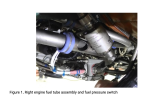
NTSB materials lab will likely be able to find the origin or probable cause of the Right starter Gen missing missing screws, bent shaft, fractured cooling fan, P clamps and right fuel tube fracture assembly if it was something pre-existing, in process of developing, or happened due to the severe crash impact. We will probably see a more thorough final NTSB report.
 
Last edited:
Does anybody know if the ATC audio has been released to the public? Some accident cases their ATC communications are released relatively fast but some others are not…..Why? Maybe due to privacy laws, relatives and/or lawyers asking NTSB/FAA not to?
 
Does anybody know if the ATC audio has been released to the public? Some accident cases their ATC communications are released relatively fast but some others are not…..Why? Maybe due to privacy laws, relatives and/or lawyers asking NTSB/FAA not to?

ATC comms can be heard by anyone with a scanner, and so are in the public domain, AFAIK. LiveATC often has a recording. Might you be thinking of the cockpit voice recording?
 
ATC comms can be heard by anyone with a scanner, and so are in the public domain, AFAIK. LiveATC often has a recording. Might you be thinking of the cockpit voice recording?
I am referring to the comm between ATC and pilots recorded by ATC in a tape -or in a SIM card from the FAA. The CVR recording may never be released, After some other accidents I have seen it on a transcript form being released to the public or It maybe too early in this case to be released.
 
I am referring to the comm between ATC and pilots recorded by ATC in a tape -or in a SIM card from the FAA. The CVR recording may never be released, After some other accidents I have seen it on a transcript form being released to the public or It maybe too early in this case to be released.

ATC/NTSB/FAA can decide when to release their own copy, of course, but comms can also be recorded by the public (LiveATC, for example) so that might be why you see them released quickly in some cases.
 
"Don't crossfeed" upon unexplained rapid fuel imbalance, or any fuel consumption question, is basic jet 101 in any operation. Certainly what we teach here day one in .mil multi-engine primary, whether pointy nose or fatty herbivore. Did their individual fuel quantities display(s) get taken out or something?

I don't understand the alternative mechanism being proposed upon which an intact left plumbing engine gets flamed out at the same time as the one with the grand canyon hole in its independent manifold. The only possibility I can think of is crossfeed open.
 
ATC/NTSB/FAA can decide when to release their own copy, of course, but comms can also be recorded by the public (LiveATC, for example) so that might be why you see them released quickly in some cases.
Understood Sir, thanks!
 
"Don't crossfeed" upon unexplained rapid fuel imbalance, or any fuel consumption question, is basic jet 101 in any operation. Certainly what we teach here day one in .mil multi-engine primary, whether pointy nose or fatty herbivore. Did their individual fuel quantities display(s) get taken out or something?

I don't understand the alternative mechanism being proposed upon which an intact left plumbing engine gets flamed out at the same time as the one with the grand canyon hole in its independent manifold. The only possibility I can think of is crossfeed open.
Which is entirely possible if the CPU processes a fuel imbalance but not a fuel discrepancy.

Also it’s potentially the case no one was ever taught to not crossfeed with unexplained imbalance. Crazy thought…. But possible in our AQP participation trophy world.
 
"Don't crossfeed" upon unexplained rapid fuel imbalance, or any fuel consumption question, is basic jet 101 in any operation. Certainly what we teach here day one in .mil multi-engine primary, whether pointy nose or fatty herbivore. Did their individual fuel quantities display(s) get taken out or something?

I don't understand the alternative mechanism being proposed upon which an intact left plumbing engine gets flamed out at the same time as the one with the grand canyon hole in its independent manifold. The only possibility I can think of is crossfeed open.
A good possibility leaving the cross feed open and running out of fuel ( pilots probably did not suspect a fuel leak taking place). Juan Browne of Blancolirio suggests that too.
 
A good possibility leaving the cross feed open and running out of fuel ( pilots probably did not suspect a fuel leak taking place). Juan Browne of Blancolirio suggests that too.
Yeah. He gets that bro. His point, why was the crossfeed on?? It’s basic stuff, similar to “don’t forget to start all the engines before takeoff” kinda basic. Don’t crossfeed for an unexplained imbalance. That’s a great way to quickly balance the tanks at zero lbs.
 
Which is entirely possible if the CPU processes a fuel imbalance but not a fuel discrepancy.

Also it’s potentially the case no one was ever taught to not crossfeed with unexplained imbalance. Crazy thought…. But possible in our AQP participation trophy world.
Did they have an imbalance to start with? Did they respond to the fuel pressure low and follow the procedure which does have crossfeed involved. Does the procedure lead to determining a fuel leak and shutting down an engine and closing the spar valve? Did the electrical problems distract from finishing that procedure?
 
I know the NTSB will eventually tell us, but does anyone know why this failure on the right engine would take out the left as well?
It's been postulated that the crossfeed valve, though apparently closed, was leaking, thus allowing the fuel to exit through the gaping hole. That does make sense to me, but they'll need to dig into the hardware to prove it one way or the other.
 
Did they have an imbalance to start with? Did they respond to the fuel pressure low and follow the procedure which does have crossfeed involved. Does the procedure lead to determining a fuel leak and shutting down an engine and closing the spar valve? Did the electrical problems distract from finishing that procedure?

How would anyone outside of the investigation know this?
 
"Don't crossfeed" upon unexplained rapid fuel imbalance, or any fuel consumption question, is basic jet 101 in any operation.
Ok, that's good to know. It also seems pretty well established at this point that the right tank vented out. Both engines failed. Both wings were catastrophically failed. At this point the early speculation that it landed empty seems back on the table as it explains that lack of meaningful post crash fire, at least one fuel warning, and both engines failing. Looking at this with that lens, and respecting your statement that the crew wouldn't have cross fed, is there a way to explain why the left tank might have also been empty?
 
Did they have an imbalance to start with? Did they respond to the fuel pressure low and follow the procedure which does have crossfeed involved. Does the procedure lead to determining a fuel leak and shutting down an engine and closing the spar valve? Did the electrical problems distract from finishing that procedure?
All great questions. All of which would impact the overall process. We will find out in the final I’m sure. I’m still of the opinion the crew did something less than optimal while doing nothing wrong.

I think the way we train is ripe for those types of errors. Heavy reliance on procedures, a light wave of the hand towards system knowledge, thinking big picture and acting outside of the direction of a procedure.
 
Last edited:
How would anyone outside of the investigation know this?
As @Tarheelpilot says, great (rhetorical) questions as to what reason the crossfeed may have been opened. As he implies, systems knowledge can help when procedures don't. I'm reminded, details vague, of an Airbus 300 with a fuel leak they couldn't stop on an overwater flight. Another airline flying same equipment was on air to air and advised closing the spar valve with the fire handle. Problem solved.
 
How would anyone outside of the investigation know this?
Who cares, they are good questions that should be asked. I hate this notion that people here are presuming they have the answers when all anyone really does is propose questions and appeal to anyone who may (I say "may") have more specific experience.
 
Who cares, they are good questions that should be asked. I hate this notion that people here are presuming they have the answers when all anyone really does is propose questions and appeal to anyone who may (I say "may") have more specific experience.

OK, see the response above.
 
All great questions. All of which would impact the overall process. We will find out in the final I’m sure. I’m still of the opinion the crew did something less than optimal while doing nothing wrong.

I think the way we train is ripe for those types of errors. Heavy reliance on procedures, a light wave of the hand towards system knowledge, thinking big picture and acting outside of the direction of a procedure.

Training now is light on systems knowledge and heavy on procedure. Type orals are "lights and switches" with very little actual systems knowledge.
 
Question on this line from the prelim:

“As the airplane approached the US and Mexico border, the flight crew received a “FUEL BST PUMP ON R” CAS message, which indicated that the right fuel system had low fuel pressure.”

This to me seems to imply that the aircraft (or possibly the pilots) turned on a boost pump to help rectify the low pressure on the right engine fuel system. Is this a proper assumption?
 
Interesting to know if the passengers heard that whirling sound and did they say anything? I take it it was the starter generator coming apart?
 
Back
Top