Falling out of love with my Delta Zulus

AA5Bman

Line Up and Wait
Joined
Jun 14, 2009
Messages
967
Display Name
He who ironically no longer flies an AA5B
I’m a bit paranoid about CO, so when I learned about the Delta Zulus and their built-in CO monitor, I kind of impulse-bought a pair. I’ve now got about 60-80 flight hours on them and I’m starting to get frustrated.

- Battery life has been horrible. I changed my AAs (see below) twice in the past three flights.
- The rechargeable battery sounds like a great idea, but its battery life is horrible! Not much better, if at all, than AAs and frankly less convenient.
- The rechargeable battery is only rechargeable *while attached to the headset*. What a horrible design. You can’t just take it with you and USB charge it in the car. Either take your whole headset home or find and fish out your charging cord while flying, and sit with a tangle of cords in your lap since, in my experience, the headset battery pack goes in the side pocket on the left, but USB charge point is to the right, so drape a USB cable over your legs or sit with the battery pack and charging cables in your lap. Who thought this was a good idea?

Is there a solution to the battery life problem? Am I the only one feeling disappointed?
 
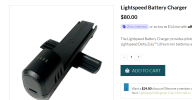
Didn't it come with a AA battery tray? I don't remember for sure, but i thought they did. If not, they'll sell you one. They also sell a seperate battery charger:

I installed a USB charger in my panel for my iPad and headset. I love not having to deal with AA's any more. The headset charge port points the same direction as the other cables; i don't know how they could have done that any better. My usb outlet is right next to my headset jacks, so the cables all run together.

My only gripe is that they used a goofy connector type, so you have to buy the charge cable from them if you lose it. My original disappeared at some point during my engine overhaul.
 
I switched from Tango (wireless) to DZ due to poor audio quality (which actually was due to my poor hearing) and the lure of the CO detector. I thought the audio tuning feature of the DZ would help, but it wasn't any better.
I miss my Tango.
Part of my disappointment with the Tango is the proprietary charging cord. I have beaucoup charging cords that look similar so I have to keep these separate and marked.
And I agree with you about the placement of the charging cord.
And the case they provide is such a perfect, and tight, fit that you have to be extremely careful when putting the headset it. I just dump my headset and cord into my regular flight bag.
 
I went on a 20 hour xc and never charged the battery and was still 40% when I got home. When I bought my DZ's they sent another spare rechargeable battery as part of whatever promotion they were running as well as the AA tray that comes with.

My only gripe was the mic boom. When I heard the Zulu 4 had a longer boom I inquired if it would fit the DZ. They put me on a list and emailed when they had stock. They installed the longer boom free of charge under a warranty claim wvwn though nothing was wrong with it.

Contact lightspeed and tell them how long your battery is lasting. Their customer service is great.

Edit: Wait... So you don't have the charger? And been only able to charge with headsets attached at home? I suspect that's the problem. Not getting a full charge through the headset

IMG_3115.jpeg
 
Last edited:
I went on a 20 hour xc and never charged the battery and was still 40% when I got home. When I bought my DZ's they sent another spare rechargeable battery as part of whatever promotion they were running as well as the AA tray that comes with.

My only gripe was the mic boom. When I heard the Zulu 4 had a longer boom I inquired if it would fit the DZ. They put me on a list and emailed when they had stock. They installed the longer boom free of charge under a warranty claim wvwn though nothing was wrong with it.

Contact lightspeed and tell them how long your battery is lasting. Their customer service is great.

Edit: Wait... So you don't have the charger? And been only able to charge with headsets attached at home? I suspect that's the problem. Not getting a full charge through the headset

View attachment 149739
Yours appears to be different than mine.
I can't separate the control unit from the headset and I don't have those charging lights, so when I plug it in, I can't tell if it is charging or not.
 

Attachments

  • DZ.jpeg
    DZ.jpeg
    567.9 KB · Views: 17
Yours appears to be different than mine.
I can't separate the control unit from the headset and I don't have those charging lights, so when I plug it in, I can't tell if it is charging or not.
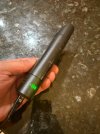
Racerx is showing the standalone charger I believe. BTW...the headset control box lights do indicate charge state. It flashes red when it's low, green when charged, orange when charging. There's also voice annunciations if you're wearing it, and you can see charge state on the app if you use that.
 
My Zulu battery life experience has been excellent with 2 AA powered replacement batteries, they last a long time. Don't use the phone call function and always leave it off. Recently put in two new AA's, then flew about 30 total hours before they died.
 
Racerx is showing the standalone charger I believe. BTW...the headset control box lights do indicate charge state. It flashes red when it's low, green when charged, orange when charging. There's also voice annunciations if you're wearing it, and you can see charge state on the app if you use that.
Ok, I see where if I turn the headset on while charging, I get a flashing light. Right now it is flashing orange. But for some reason I always plug it in while it is off and see no indication. But even right now, the app shows 100% charged after a 5 hour flight. Yet it has been flashing orange for several minutes.

When I turn it on, it says "Bluetooth connected", but nothing about charging.

Also, every time I bring up the app it asks me if I want to share personal Safety Data. How can I turn that off other than possibly saying Yes.
 
I have been taking the DZ rechargeable battery out of the headset after each flight and every few flights using the stand-alone battery charger, seems to work pretty well.

1770646626628.png
 
Ok, I see where if I turn the headset on while charging, I get a flashing light. Right now it is flashing orange. But for some reason I always plug it in while it is off and see no indication. But even right now, the app shows 100% charged after a 5 hour flight. Yet it has been flashing orange for several minutes.

When I turn it on, it says "Bluetooth connected", but nothing about charging.

Also, every time I bring up the app it asks me if I want to share personal Safety Data. How can I turn that off other than possibly saying Yes.
Gotcha. I always charge mine while I'm flying, so I don't know how it works if it's not on. If you plug it in while you're using it, the voice will say "charging" and the light goes orange. There's also a "low battery" announcement and a "charge complete". I don't leave it plugged in all the time, because the "charge complete" message always seems to come up while I'm trying to listen to the ATIS or something. I run it until it gives me the low battery message and then plug it in. Seems to me like it lasts a bit longer then my original zulus on AA's.

I haven't used the app since I set up the hearing correction feature. I don't remember the last time an app didn't want me to agree to give them all my data, so I don't worry too much about it. I suppose it's possible lightspeed is selling my data, but I'd be surprised, and it's all out there already anyway.
 
Wait… I’m confused - am I supposed to have a charger that is separate from the headset control box thingy? The only way I can charge the rechargeable battery is with the control box on the headset so I can either do it in the plane and sit in a tangle of charging cords and headset cables or take the entire headset home with me. Not familiar with any charge status lights on the back of my headset control box thing.

Yes, I do have the AA battery tray. Whether AA or rechargeable, the battery life is awful, and the AA is just more convenient so I use it more.
 
Wait… I’m confused - am I supposed to have a charger that is separate from the headset control box thingy?
It's an optional accessory. You can buy it at the link I posted above. The charge status light I'm talking about is the one that flashes (annoyingly), under the power button. Usually green unless the battery is dead or it's charging.
 
It's an optional accessory. You can buy it at the link I posted above. The charge status light I'm talking about is the one that flashes (annoyingly), under the power button. Usually green unless the battery is dead or it's charging.
usually amber or red, in my case :facepalm:
 
I’m a bit paranoid about CO, so when I learned about the Delta Zulus and their built-in CO monitor, I kind of impulse-bought a pair. I’ve now got about 60-80 flight hours on them and I’m starting to get frustrated.

- Battery life has been horrible. I changed my AAs (see below) twice in the past three flights.
- The rechargeable battery sounds like a great idea, but its battery life is horrible! Not much better, if at all, than AAs and frankly less convenient.
- The rechargeable battery is only rechargeable *while attached to the headset*. What a horrible design. You can’t just take it with you and USB charge it in the car. Either take your whole headset home or find and fish out your charging cord while flying, and sit with a tangle of cords in your lap since, in my experience, the headset battery pack goes in the side pocket on the left, but USB charge point is to the right, so drape a USB cable over your legs or sit with the battery pack and charging cables in your lap. Who thought this was a good idea?

Is there a solution to the battery life problem? Am I the only one feeling disappointed?
Yes, battery life is almost non-existent.
 
It's an optional accessory. You can buy it at the link I posted above. The charge status light I'm talking about is the one that flashes (annoyingly), under the power button. Usually green unless the battery is dead or it's charging.
Can the optional charger use a standard USB-C cable or does it still require the proprietary cable LightSpeed provides? As-is, I need a USB-A charge source and their proprietary plug to the headset.
I also have some other wireless devices that use standard usb-c on the device end, but requires USB-A on the charging end. I can't use my USB-C to USB-C cords. It gets confusing after a while.
 
This would be a very dramatic way to solve a battery problem, but the plane I bought 3 years ago has LEMO plugs so when I got my DZ I bought that version. I absolutely love it. I'd encourage anyone doing anything to a panel to take the opportunity to upgrade to LEMOs while you're in there.
 
This would be a very dramatic way to solve a battery problem, but the plane I bought 3 years ago has LEMO plugs so when I got my DZ I bought that version. I absolutely love it. I'd encourage anyone doing anything to a panel to take the opportunity to upgrade to LEMOs while you're in there.
Can you ballpark the price of a LEMO upgrade? I agree that would be the best way to solve a battery problem. My wife was on an instrument approach a few weeks ago when her headset spazzed out. She went missed and changed batteries.
 
It's an optional accessory. You can buy it at the link I posted above. The charge status light I'm talking about is the one that flashes (annoyingly), under the power button. Usually green unless the battery is dead or it's charging.
Didn't know it was an option. Mine just came with it. Didn't know it didn't.
 
Can the optional charger use a standard USB-C cable or does it still require the proprietary cable LightSpeed provides? As-is, I need a USB-A charge source and their proprietary plug to the headset.
I also have some other wireless devices that use standard usb-c on the device end, but requires USB-A on the charging end. I can't use my USB-C to USB-C cords. It gets confusing after a while.
Standalone usb-c for the charger
 
Can you ballpark the price of a LEMO upgrade? I agree that would be the best way to solve a battery problem. My wife was on an instrument approach a few weeks ago when her headset spazzed out. She went missed and changed batteries.
My dude, it's aviation. As soon as I say it's $100-200 in parts and an hour or two of labor, you're going to open up your panel and discover that it will take two days because of some obscure issue. But, yeah, most of the wiring needed is already in the neighborhood for the dual plugs, so this is generally about as easy as things get.
 
Didn't know it was an option. Mine just came with it. Didn't know it didn't.
Mine didn't. I bought mine i think the week they came out. They ran a promotion later iirc with the charger. Not sure what they bundle them with now.

This would be a very dramatic way to solve a battery problem, but the plane I bought 3 years ago has LEMO plugs so when I got my DZ I bought that version. I absolutely love it. I'd encourage anyone doing anything to a panel to take the opportunity to upgrade to LEMOs while you're in there.
The lithium/ USB charger combo is pretty close imo, but you still have that extra cable and eventually the battery will be shot. Benefit is you can take them into other people's planes.

I decided to go lemo on the rv14 and just have a pair of headsets that are more or less permanently installed. No worrying about batteries or which headsets are where. Easier to do when you only have two seats though.
 
I decided to go lemo on the rv14 and just have a pair of headsets that are more or less permanently installed. No worrying about batteries or which headsets are where. Easier to do when you only have two seats though.
You can get a LEMO to dual adapter so you can use your LEMO headset in any lame, old fashioned dual plug configuration you end up sitting in. But, yeah, I did the same. I have a LEMO DZ that stays in the plane. One of the benefits of having a fleet size of one, I guess.
 
I’ve got over a thousand hours with the DZs and while they don’t have the same battery life as the Zulu 2s I seem to get 30-40 hours between battery changes.

They do seem to really benefit from the lithium batteries as well.
 
Mine didn't. I bought mine i think the week they came out. They ran a promotion later iirc with the charger. Not sure what they bundle them with now.


The lithium/ USB charger combo is pretty close imo, but you still have that extra cable and eventually the battery will be shot. Benefit is you can take them into other people's planes.

I decided to go lemo on the rv14 and just have a pair of headsets that are more or less permanently installed. No worrying about batteries or which headsets are where. Easier to do when you only have two seats though.
Must've lucked out when I got mine. I got the charger and an extra lithium battery
 
I bought a Delta Zulu headset from Lightspeed at AirVenture 2025, but returned it about an hour later. I was excited about the hearing aid style adjustments they allowed to frequency response and the CO detector. Sadly, they failed to inform me that the software to adjust settings is an Apple only setup. I'm an Android user (phone, tablet the whole shebang). Almost every Bluetooth device I've bought in the past decade works equally well with Apple and Android ecosystems. When I brought the headset back, I asked if they planned to offer Android connectivity in the future and they said no. They also tried to convince me I could just borrow someone else's Apple phone or tablet to set the headset up. Every device I've ever purchased needs regular tweaking, so borrowing an iPhone every time I want to adjust settings was a complete nonstarter. Now I just wear my hearing aids under my old headset and bought a $21 battery operated CO detector from Home Depot. I saved a bundle taking this route, and have all the functionality I was looking for.
 
  • Like
Reactions: cdb
I’m a bit paranoid about CO, so when I learned about the Delta Zulus and their built-in CO monitor, I kind of impulse-bought a pair. I’ve now got about 60-80 flight hours on them and I’m starting to get frustrated.

- Battery life has been horrible. I changed my AAs (see below) twice in the past three flights.
I would contact Lightspeed on this one. It seems that you and one other poster are the outliers here and most people have experienced much better battery life.

I can't comment on this one specifically as I just purchased my DZs, but I put several hours on them and then left them in the trunk of my car and cold-soaked the battery and they're still reading 85%.

It's possible that there's something that's causing leakage of noise into the ear cups and that's hurting battery life. It's possible that you're using either crummy alkalines or rechargeables with a different discharge curve than the headset expects and that's why the AAs aren't working. Of course, that means you'd also probably be experiencing poor charging or battery performance on the Lithium side as well if you're seeing it with both.

In any case, contact Lightspeed. Their customer service is excellent and they surely know of plenty of other possible causes.

- The rechargeable battery is only rechargeable *while attached to the headset*. What a horrible design. You can’t just take it with you and USB charge it in the car. Either take your whole headset home or find and fish out your charging cord while flying, and sit with a tangle of cords in your lap since, in my experience, the headset battery pack goes in the side pocket on the left, but USB charge point is to the right, so drape a USB cable over your legs or sit with the battery pack and charging cables in your lap. Who thought this was a good idea?
Yeah, this is probably the biggest issue with this headset, though I knew it going in. At this point I really dislike having *anything* that can't be charged with a plain old USB-C cable.

And yes, I read the page Lightspeed has about why they chose the UAC connector. Sorry, I'd still MUCH rather have separate 1/8" and USB-C connectors than the single UAC connector. Hopefully, Lightspeed has heard enough from DZ purchasers that their future headsets use USB-C and either a separate audio port or they just give that up and realize that most everyone is doing wireless (Bluetooth) audio these days and that's not a feature that they need to keep.

Wait… I’m confused - am I supposed to have a charger that is separate from the headset control box thingy? The only way I can charge the rechargeable battery is with the control box on the headset so I can either do it in the plane and sit in a tangle of charging cords and headset cables or take the entire headset home with me. Not familiar with any charge status lights on the back of my headset control box thing.

Yes, I do have the AA battery tray. Whether AA or rechargeable, the battery life is awful, and the AA is just more convenient so I use it more.
What kind of AAs are you using? Alkaline or Lithium single-use, NiCad, NiMH, Li-Ion rechargeable?

You can get a LEMO to dual adapter so you can use your LEMO headset in any lame, old fashioned dual plug configuration you end up sitting in. But, yeah, I did the same. I have a LEMO DZ that stays in the plane. One of the benefits of having a fleet size of one, I guess.
This is actually one reason why I bought the DZ. I had a Zulu PFX with the LEMO plug, but the LEMO version of the PFX has no way to put batteries in it at all, so an adapter would do no good unless it's one of the powered adapters (I found one once, but it was expensive).

The work planes at my new job don't have LEMO, so I needed the ability to plug into dual GA plugs and use batteries. However, while my plane also has dual GA plugs, I'm very much a fan of having the headset powered by the LEMO plug. And when the DZ is powered by LEMO, it recharges the batteries, so now I have one more excuse to go flying. :rofl:

The job does supply AAs for headsets, so I will probably end up doing that a fair amount. I did reluctantly buy the USB-C to UAC cable to increase my options for recharging, but I didn't buy the charger and I probably should have.
 
Last edited:
Light speed guy here.

The AA packs work better if you fly a lot compared to the recharge packs. The recharge packs made one flight with me and are in a drawer now.
 
I've had great results with using the Energizer Lithium AA batteries. That being said, I've got the Zulu 3. I am looking at the Delta Zulu, but also considering adding LEMO plugs to eliminate all of the need for batteries....
 
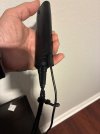
I’ve expressed my displeasure with my Delta Zulus in this thread. A workaround I found to improve the battery recharging situation is to buy a battery pack like this one and and leave the headset plugged in with the provided charging cord after I leave the plane. When I return to fly again, the headset is completely charged and the battery pack is only depleted by 10% or so depending on how charged the DZ battery is. The pack can also recharge other stuff if you’re short USB charging ports.
 
I bought a Delta Zulu headset from Lightspeed at AirVenture 2025, but returned it about an hour later. I was excited about the hearing aid style adjustments they allowed to frequency response and the CO detector. Sadly, they failed to inform me that the software to adjust settings is an Apple only setup. I'm an Android user (phone, tablet the whole shebang). Almost every Bluetooth device I've bought in the past decade works equally well with Apple and Android ecosystems. When I brought the headset back, I asked if they planned to offer Android connectivity in the future and they said no. They also tried to convince me I could just borrow someone else's Apple phone or tablet to set the headset up. Every device I've ever purchased needs regular tweaking, so borrowing an iPhone every time I want to adjust settings was a complete nonstarter. Now I just wear my hearing aids under my old headset and bought a $21 battery operated CO detector from Home Depot. I saved a bundle taking this route, and have all the functionality I was looking for.

Not that it’s ideal, but you could take an older used iPhone without any cell service subscription and keep it in a drawer at home, hangar, or plane just for adjusting settings. I do like standalone options though. I didn’t want to roll the dice on Amazon, and didn’t realize Home Depot carried something. Now I’ll have to look. I’m still rockin with a useless expired color indicator…
 
I can't comment on this one specifically as I just purchased my DZs, but I put several hours on them and then left them in the trunk of my car and cold-soaked the battery and they're still reading 85%.
One thing I found with my DZs (and a few other rechargable devices I have) is that the internal monitor may report a high charge level for a long time, but all of a sudden the charge seems to disappear and the device dies. I don't trust those built in charge meters much any more. I have flown with mine for up to 6 hours in one day and it still reported 90%. Even when I got in the plane the next morning it still said 90%. But after about 2 hours it died and the display in the app just said "disconnected". I plugged the unit it and after a bit it showed 3% and climbed very slowly.

I have some Lithium AAs, but I have been hesitant to use them in the plane, but I might try it with the AA Battery pack sometime. I wonder if the built in meter will display charge % (right or not) for not rechargeable batteries?
 
You might look into the levels those home Co detectors alert at. I agree they are far better than the color changing dot type, but they alarm at higher levels than ones designed for aviation. It's been a while since I've looked into it, but it seems like the lower alarm levels on those are above the level that would cause impairment at altitude.

Ai summary:
Home CO detectors (designed for residential use) follow UL 2034 standards, which prioritize avoiding nuisance alarms:
  • Alarm thresholds are higher and delayed (e.g., 70 ppm over 1–4 hours, 150 ppm over 10–50 minutes, 400 ppm over 4–15 minutes).
  • Often do not display or alarm below ~30 ppm.
  • Intended for gradual buildup from household sources (e.g., faulty furnaces), allowing time before serious risk in a static environment.

Aviation CO detectors (for aircraft cabins) prioritize rapid detection to prevent pilot incapacitation from exhaust leaks during flight:
  • Alarm at much lower levels and faster (e.g., 9–10 ppm in ~60 seconds, or initial alerts at 10–25 ppm, full alarm at 35–50 ppm).
  • Provide immediate audible/visual alerts (critical when flying, as CO impairs judgment quickly at low levels over time).
  • Often include digital PPM readouts starting from 0–9 ppm, longer sensor life in rugged conditions, and features like Bluetooth integration or panel mounting.
  • FAA guidance recommends keeping cabin CO below 50 ppm max (14 CFR 23.831), but aviation units focus on early/low-level warnings to allow time to act (e.g., shut off heater, ventilate, land).
 
The AA packs work better if you fly a lot compared to the recharge packs. The recharge packs made one flight with me and are in a drawer now.
How do you know, if you only made one flight with it? :p

One thing I found with my DZs (and a few other rechargable devices I have) is that the internal monitor may report a high charge level for a long time, but all of a sudden the charge seems to disappear and the device dies. I don't trust those built in charge meters much any more. I have flown with mine for up to 6 hours in one day and it still reported 90%. Even when I got in the plane the next morning it still said 90%. But after about 2 hours it died and the display in the app just said "disconnected". I plugged the unit it and after a bit it showed 3% and climbed very slowly.
The issue with charge meters is that they're trying to read voltage and show capacity. Also, depending on how their calibration works and the discharge curve of the batteries in use, it can be difficult to determine. For example, the batteries in my car supposedly have an almost flat discharge curve from something like 95% down to 70%, so the car has to kind of guess based on the current and time data it has collected to help guess its capacity in that range, and they recommend charging to 100% at least weekly so that the car can reset itself.

On something like a headset, it'll probably need to be charged all the way, run all the way down, and then recharged fully at least once before it'll be accurate. So yes, big grain of salt on my 85% - I certainly wouldn't expect to say "well, I flew for 3 hours and used 15%, so I should have 17 hours left" at this point. I'll report back after I've run it down.

I have some Lithium AAs, but I have been hesitant to use them in the plane, but I might try it with the AA Battery pack sometime. I wonder if the built in meter will display charge % (right or not) for not rechargeable batteries?
Looking at the packs, they have six contacts, so they almost certainly can communicate between the pack and the headset. I would imagine that the headset knows when you've got the AA pack plugged in, but it can't possibly know what type of AAs you have in there or what their discharge curve looks like. It's probably set to expect something like the ubiquitous Duracells or some average of those and other common alkaline types. I bet if you threw some NiCads in there it'd read dead even with fully charged batteries, whereas with Lithium batteries it'll probably read 100% until it's almost dead.

battery_life_image.jpg
 
I’ve expressed my displeasure with my Delta Zulus in this thread. A workaround I found to improve the battery recharging situation is to buy a battery pack like this one and and leave the headset plugged in with the provided charging cord after I leave the plane. When I return to fly again, the headset is completely charged and the battery pack is only depleted by 10% or so depending on how charged the DZ battery is. The pack can also recharge other stuff if you’re short USB charging ports.
Oooh... I like that idea. The "new" work planes (new job, old planes) mostly don't have a USB power source, so they suggested we use a power bank for EFBs. I got a really nice Anker setup for charging the million gadgets I take along with me, so using that in the cockpit to recharge while flying means I won't have to take the headset to a hotel to charge.

I'm also curious how quickly it charges the battery when on LEMO, since my plane has LEMO and I do intend to use it there too.

Now, I'm curious if you have any updates to your comments on the DZ:

Cons:
-not a fan of the noise canceling compared to my Bose A20s. Lots of popping when powering up on takeoff in my 182. Sound quality is not as nice as Bose.
Are your ear cups seating properly? Do you wear glasses? Have you updated the firmware on the headset?


-the cord is an odd braided cord that seems thin and not durable; no clips to clip to your seatbelt or whatever.
It's Kevlar and very durable. Mine did come with a clip, but I actually prefer *not* having the cord clipped.

-battery box is odd and not inline; both the cord going to the plane and the headset come out of the same end.
That is also a feature, not a bug - You can stash it almost anywhere and not having it sitting on a cord on one end. Put it in a side pocket and have all the cables facing out of the pocket, for example. I can't think of why you'd want one that's inline other than being used to it from other headsets. :dunno:

-includes rechargeable battery pack but pack must be in battery box to charge. Not easy to leave headset in plane and take battery home to charge.
I like your solution at the top of this post.

-USB cable on battery box is some odd size. Not sure if it’s proprietary, but it’s not a standard USB C like everything else I own.
This is definitely the worst thing about this headset.
 
Do away w/ the batteries altogether and power straight from USB?

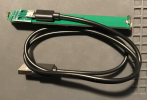
There was a clever member on the Cessna Pilots Society forums that used to build USB 3V Battery Eliminators, similar in function to the above. Basically, a USB powered board that fit in the space of the 2 AA batteries in headsets controllers.
1770754353051.png
I run it in my Zulu 3's powered by one of the USB ports in my Mid-Continent digital clock on the left side of my panel. I had to carve a little notch in my headset controller cover for the wire to exit.
The only AA batteries I run these days are Energizer Ultimate Lithium's because anything else is a crapshoot on battery leakage. Duracells have ruined too many of my devices. Not again!
 
Oooh... I like that idea. The "new" work planes (new job, old planes) mostly don't have a USB power source, so they suggested we use a power bank for EFBs. I got a really nice Anker setup for charging the million gadgets I take along with me, so using that in the cockpit to recharge while flying means I won't have to take the headset to a hotel to charge.

I'm also curious how quickly it charges the battery when on LEMO, since my plane has LEMO and I do intend to use it there too.

Now, I'm curious if you have any updates to your comments on the DZ:


Are your ear cups seating properly? Do you wear glasses? Have you updated the firmware on the headset?


It's Kevlar and very durable. Mine did come with a clip, but I actually prefer *not* having the cord clipped.


That is also a feature, not a bug - You can stash it almost anywhere and not having it sitting on a cord on one end. Put it in a side pocket and have all the cables facing out of the pocket, for example. I can't think of why you'd want one that's inline other than being used to it from other headsets. :dunno:


I like your solution at the top of this post.


This is definitely the worst thing about this headset.
On the popping, I tried updates and that didn't seem to fix it. What I did figure out is that it only does that when the volume slider is maxed out, which sometimes happens when it gets jostled around. I've made it a point to check the headset volume before departure.

I've grown to accept the braided Kevlar cord. As mentioned, it is pretty durable. As far as not being inline, I preferred having the controls a little closer and not having to fish it out of a pocket, but I've come to be fine with it.

On the power cord issue, I discovered it was the power cord to a digital camera, which I was able to obtain an additional cable for.

The nice thing about the battery brick is that when something is drawing power from it, the battery percent display appears...which is nice because the Delta Zulus have no LED indicator to suggest they are properly plugged in and charging.
 
Back
Top