excess fuel in oil analysis?

GeorgeC

Administrator
Management Council Member
Joined
Dec 5, 2010
Messages
6,581
Display Name
GeorgeC
My most recent annual was in February of this year. The oil analysis was unremarkable, except that Blackstone called attention to the fact that there was an unusual amount of fuel (3.5%; normal is <1%) in the oil. At the time, I'd ascribed that to my clumsily overpriming and flooding the engine on the morning I flew it to annual.

I just got the results from my oil analysis in August (I know, it's December...), and the fuel is down to 1.3%. I don't prime much in the summer, so that excuse is out.

What else could explain the fuel in the oil?

O-200 running E0 mogas.
Poor atomization from the MA3 carb? They're famous for that. Are the exhaust stacks sooty? Are you leaning properly? Is there a weak mag or a few bad plugs that start the engine running rough earlier than normal when leaning so you end up too rich? Is the primer in and locked?
 
So, a couple of oil changes have ticked by and this problem persists.

No soot on exhausts, I lean aggressively, mags and plugs are good, primer in and locked.

I feel like I'm grasping at straws, but the primer check valve is the only thing that comes to mind.
 
I feel like I'm grasping at straws, but the primer check valve is the only thing that comes to mind.
Is it still at 1.3% or does it vary?
Does your O-200 have an engine fuel pump?
What are the cold compression numbers for your cylinders?
 
You fly it somewhere for an oil change - do they change the oil on the spot or warm it up some time later? How does the shop warm up the engine when it comes time for yea olde oil change? Could they be over priming followed by a short ground run?
 
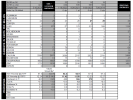
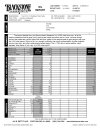
Feb 2024, 3.5%
Aug 2024, 1.3%
Mar 2025, 2.5%
 
You fly it somewhere for an oil change - do they change the oil on the spot or warm it up some time later? How does the shop warm up the engine when it comes time for yea olde oil change? Could they be over priming followed by a short ground run?
If that were the case (and it's not unlikely), I would have expected it to show up in the oil analyses from 2018-2024...
 
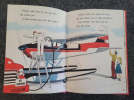
They got it right in 1938.

airplane.jpg
 
Lois Lenski, "The Little Airplane".
 
I feel like I'm grasping at straws, but the primer check valve is the only thing that comes to mind.
There are two check valves in the primer. One lets fuel into the inlet when the plunger is pulled, but not out again when the plunger is pushed in. The other is in the outlet so that pulling the plunger out can't suck fuel or air back up the discharge line. For extra fuel to be flowing into the engine, the spring-loaded needle valve that shuts off the outlet inside the primer cylinder would have to be defective. Broken spring, maybe, or some debris jammed into the needle's seat.

1744303431805.png

 
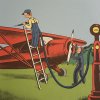
This was my first thought

View attachment 139713
Internet-fueled lunchtime tangent: N7892A was assigned to a Cessna Skywagon, de-registered from the US in 1957 (Pretty faithful image). The airframe was later registered as CF-JHU (or C-FJHU), and has, since 14 May 2010, been wearing VH-MTF. It was photographed 30 Apr 2022 at the Antique Aeroplane Association of Australia Fly-in, Wangaratta, Victoria (YWGT). I can't find images or evidence of it being on floats, however. Chalk it up to artistic license.
 
Last edited:
There are two check valves in the primer. One lets fuel into the inlet when the plunger is pulled, but not out again when the plunger is pushed in. The other is in the outlet so that pulling the plunger out can't suck fuel or air back up the discharge line. For extra fuel to be flowing into the engine, the spring-loaded needle valve that shuts off the outlet inside the primer cylinder would have to be defective. Broken spring, maybe, or some debris jammed into the needle's seat.
Usually, the first stroke of the plunger doesn't count (should it?), but on my first flight after annual, it felt like the second one didn't, either. I'll have to pull out the plunger and take a look.
 
Feb 2024, 3.5%
Aug 2024, 1.3%
Mar 2025, 2.5%
The answers to the other 2 questions?
Also, was there any engine mx performed before you the analysis that pinged the fuel percentages? New carb, etc.?
 
Usually, the first stroke of the plunger doesn't count (should it?), but on my first flight after annual, it felt like the second one didn't, either. I'll have to pull out the plunger and take a look.
Every stroke should count. If the first one has no resistance, air might be getting past the O-rings on the plunger. They do wear out/shrink/whatever. Sometimes you have to pull and wait for the vacuum to pull the fuel into the primer cylinder. And sometimes trash gets into the check valves and make pumping difficult.

And sometimes mechanics replace the primer nozzle in the manifold with a plain AN fitting. Ignorant or just plain dumb, but I have found an airplane like that. No pumping resistance because there is no centrifuging of the fuel through the nozzle to create the finely-atomized cone of fuel for the best starting.

Turn the fuel valve off before you take the primer plunger out. You don't want fuel everywhere.
 
The o-rings were shot when I first got the plane, so I replaced them. Since then, the first stroke never did much, but the second one always did.
 
Also, was there any engine mx performed before you the analysis that pinged the fuel percentages? New carb, etc.?
No.

Does your O-200 have an engine fuel pump?
I don't think so; are those even a thing on the C140?

What are the cold compression numbers for your cylinders?
I haven't gotten my logs back from this year's annual, but compressions been good in previous years.
 
I don't think so; are those even a thing on the C140?
Don't know for 140 but some 200s have them. Just know an engine driven fuel pump is one place to get fuel into the oil but its usually more than 3%.

but compressions been good in previous years.
Outside a leaky primer, blow-by is a common source for fuel levels in oil. Sometimes when cold there's enough "gap" to allow more blow-by at each start. The fact your reading fluctuate may give you a point to research more if you so choose?
 
My most recent annual was in February of this year. The oil analysis was unremarkable, except that Blackstone called attention to the fact that there was an unusual amount of fuel (3.5%; normal is <1%) in the oil. At the time, I'd ascribed that to my clumsily overpriming and flooding the engine on the morning I flew it to annual.

I just got the results from my oil analysis in August (I know, it's December...), and the fuel is down to 1.3%. I don't prime much in the summer, so that excuse is out.

What else could explain the fuel in the oil?

O-200 running E0 mogas.
Let's say you changed your oil June 1st and flew 50 hours by September. The oil sample should show little or no fuel. Hot weather means hot oil and fuel is boiled out of the oil as you fly. The more hours the better. Now you change the oil in September, but only fly 10 hours by February. Cold weather means cold oil and less time to boil off impurities in the oil. Now more of the fuel contamination will stay in the oil instead of leaving it. Unless you have fuel leaking into the engine from the fuel pump or excessive blow by, it is not uncommon to have more fuel in the oil in cold weather. The easiest way to deal with it is change the oil more frequently.
 
If that were the case (and it's not unlikely), I would have expected it to show up in the oil analyses from 2018-2024...

To me, this is the first question that needs a solid answer. Ensure whoever is changing the oil is using the same procedure.
 
The only other data point I can think of is that I started running mogas in fall of 2022.
 
For the fun of it.... I do know that in 2021 I flew it around the pattern before changing the oil. 2023 looks like short run on the ground. 2024 - ground run after sitting for several months. (rotax 912)
1744555708848.png
 
I haven't gotten my logs back from this year's annual, but compressions been good in previous years.

NOT a good thing to let your logs out of your hands.

Scan them and provide the shop a PDF. They supply you with a sticker that you stick in the log book and update the PDF.

Shops can and have lost log books. Shop can and have held on to log books over a dispute.
 
There are two check valves in the primer. One lets fuel into the inlet when the plunger is pulled, but not out again when the plunger is pushed in. The other is in the outlet so that pulling the plunger out can't suck fuel or air back up the discharge line. For extra fuel to be flowing into the engine, the spring-loaded needle valve that shuts off the outlet inside the primer cylinder would have to be defective. Broken spring, maybe, or some debris jammed into the needle's seat.
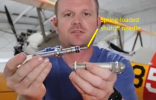
The spring seems not broken. Didn't even know the dadgum things had springs in them.

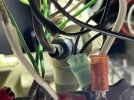
I don't know much, but I'm pretty sure the fitting isn't supposed to look like that. That probably explains why it suddenly offers no resistance when I pump it. Sigh.
IMG_2052.jpg
 
Perhaps switch back to 100LL for a couple oil change cycles and compare?
The other thing is that I stopped flying a lot of XC a couple years ago. Maybe I just need to fly more.
 
The spring seems not broken. Didn't even know the dadgum things had springs in them.

I don't know much, but I'm pretty sure the fitting isn't supposed to look like that. That probably explains why it suddenly offers no resistance when I pump it. Sigh.
View attachment 140108
Sucking air, maybe. If that was the outlet it would dribble fuel and you'd smell it. If it's the inlet, and if you have gravity feed, it should be dripping fuel as well as sucking air.
 
The spring seems not broken. Didn't even know the dadgum things had springs in them.

I don't know much, but I'm pretty sure the fitting isn't supposed to look like that. That probably explains why it suddenly offers no resistance when I pump it. Sigh.
View attachment 140108
Is that a steel line with aluminum flare sleeve and nut? That fitting does not look familiar.
Definitely needs to be replaced.
 
Copper is no good where there is vibration, it cracks and fails.
 
The spring seems not broken. Didn't even know the dadgum things had springs in them.

I don't know much, but I'm pretty sure the fitting isn't supposed to look like that. That probably explains why it suddenly offers no resistance when I pump it. Sigh.
View attachment 140108
The condition of that electrical wiring is triggering my OCD and causing an eye twitch.
 
Sorry to hear about your problem! Unfortunately Blackstone is unreliable when it comes to Fuel Dilution. They attempt to use flashpoint as a proxy for measuring fuel dilution. Gas chromatography is the industry standard. If you really want to know the fuel dilution % I would use another vendor like Oil Analyzers (Polaris Labs). There is also SpeeDiagnostix and WearCheck although the latter charges a premium for gas chroma. You also get TBN and oxidation from the other labs which is a nice indicator of oil health. Unfortunately I would not be surprised if your actual fuel dilution was perhaps much higher than what Blackstone indicates.

The attached samples are from a Ford Bronco but blackstone said fuel dilution was < 0.5 whereas the Oil Analyzers gas chromatography said it was 2.8%. On my last airplane IO-360 oil sample they were pretty close though. I'm usually more concerned about fuel dilution in cars since they're using low tension piston rings with direct injection now. To some degree on those engines, the fuel dilution can impact the appropriate oil change interval.

Usually, the worst fuel dilution occurs due to running the engine cold. The worst culprit would be taking off or running up to full power with CHT's under ~200F. Piston rings would have a loose fit and allow fuel to wash down the walls of the cylinder into the oil. It could also be poor atomization from the carb like Dan Thomas stated. Most claim that running the engine at 65-75% power for an hour has a fair chance at clearing out most of the fuel dilution.
 

Attachments

  • 01-31-25blackstoneWildtrak.jpg
    01-31-25blackstoneWildtrak.jpg
    259.6 KB · Views: 6
  • 01-31-25oaWildtrak.jpg
    01-31-25oaWildtrak.jpg
    257.8 KB · Views: 6
The condition of that electrical wiring is triggering my OCD and causing an eye twitch.
You and me both. That was supposed to be addressed at annual...:mad2: I really need to get my A&P so I can do exotic repairs like crimping wires.

Thankfully, the primer is not spraying gas on the wiring and/or pilot. Why aren't primers on the engine side of the firewall and cable actuated like everything else?
 
Last edited:
Usually, the worst fuel dilution occurs due to running the engine cold. The worst culprit would be taking off or running up to full power with CHT's under ~200F. Piston rings would have a loose fit and allow fuel to wash down the walls of the cylinder into the oil. It could also be poor atomization from the carb like Dan Thomas stated. Most claim that running the engine at 65-75% power for an hour has a fair chance at clearing out most of the fuel dilution.
Thanks, and LTNS!
 
Just a data point, maybe not relevant and offered for what it's worth. Auto gas, in my experience, is worse than it's ever been, even ethanol free w/ stabilizer. I say that because I've run the same routine in my small engines for many years, using ethanol free (verified by testing) and the red stabil stuff, and it doesn't work anymore for me. In the past year I've wrecked two carbs from that, with the gas sitting for about 6 months. So now I just run them dry. My guess is that the refiners have figured out how to make auto gas just barely stable enough to run in a fuel injected engine after sitting around for maybe a couple of months.

Based on that I'm not stating I think there's any safety issue, just a gumming things up issue.

The other thought is based on what @Narwhal posted above, that maybe the auto gas has some lower boiling components that are hanging around longer than if you were using 100LL. Again, I'm not taking a shot at using auto fuel, just doing my Internet best at guessing at things I have very little if any experience with. :)
 
Just a data point, maybe not relevant and offered for what it's worth. Auto gas, in my experience, is worse than it's ever been, even ethanol free w/ stabilizer. I say that because I've run the same routine in my small engines for many years, using ethanol free (verified by testing) and the red stabil stuff, and it doesn't work anymore for me. In the past year I've wrecked two carbs from that, with the gas sitting for about 6 months. So now I just run them dry. My guess is that the refiners have figured out how to make auto gas just barely stable enough to run in a fuel injected engine after sitting around for maybe a couple of months.
StarTron from StarBrite works great.

Or, head to the nearest track for some race gas. Even the 93 AKI track gas is ethanol free and more stable. Or find an airport with 94UL.
 
Back
Top