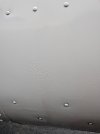
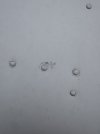
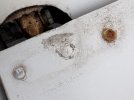
What could cause a paint to do this?

Nikhiln25

Pre-takeoff checklist
Joined
Jan 16, 2024
Messages
307
Display Name
nikhiln25
I’ve had my plane since November. The paint is old, chipping in a few places but generally holding in.

The plane has been hangared since I bought it (and was before then as well). My hangar is 1 hour away so at the end of May I moved it to a tie down for the summer closer to my house. It’s currently sitting outside and I put a Macs cowling & cabin cover on it. I also have started using Aviation simple green and a couple of other aero cosmetic products on it to clean it

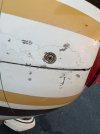
This week I started noticing the paint going away in a few spots in the cowling.. I know it wasn’t like this before or even as a few weeks ago before I moved out here.

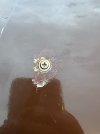
Any one have any idea why my paint could be doing this so I can prevent it from spreading. Pics attached.. thank you
 

Attachments

  • IMG_0589.jpeg
    IMG_0589.jpeg
    2.4 MB · Views: 158
  • IMG_0588.jpeg
    IMG_0588.jpeg
    1.2 MB · Views: 156
Looks like those spots have been touched up numerous times in the past?
The covers combined with wind looks to be flaking off some of the touch up paint?
Not much you can do with those layers of loose paint that I know of without getting out the sand paper and re touch up the areas.
 
Last edited:
Looks like those spots have been touched numerous times in the past?
The covers combined with wind looks to be flaking off some of the touch up paint?
Not much you can do with those layers of loose paint that I know of without getting out the sand paper and re touch up the areas.

Appreciate it
 
My guess is that it was touched up for the sale. Now you get to find a painter who will take that off, properly sand/prepare the surface, use primer, and then put the appropriate paint on the spots. Our club has a plane that developed some spots a year after a local A&P spot painted it. We're now taking it to a paint shop to get that all fixed.

Proper prep is 90% of the job.
 
Any one have any idea why my paint could be doing this so I can prevent it from spreading.
The bond on the old paint is compromised by corrosion, mechanical failure, etc. which in turn was simply touched up. The only way to prevent it from spreading is to sand away the "bad" paint til you hit "good" paint then touch it up using the proper procedures. However, if the entire paint job is marginal you can also prep the immediate area and touch it up with a quality paint ensuring the new paint seals the edge of the old paint. Then wash and wax the aircraft on a regular basis.
 
Pic 1- corrosion. Pic 2- the fastener and tapered cup are stainless steel.

Sanding is a bad idea.
 
You might get lucky and only need a partial repaint. Cowlings seem to take the most damage for paint. Find a really good paint shop and let them see what you need.
 
Why is sanding a bad idea?
Aluminum alloy sheets are coated with a layer of pure aluminum to provide corrosion protection. We don't want to disturb that layer if possible. The proper method to remove corrosion is with a Scotchbrite pad. I have a little of that to do on my Cessna. I'll mask my areas with a vinyl mask, use a Scotchbrite disc to remove the corrosion, etch, Alodyne, prime, and paint, hoping to minimize how much it'll show. It's a process.
 
so I can prevent it from spreading
FWIW: There are a number of reference docs available to give guidance on the corrosion removal and prevention, for example, AC 43-4 and the Cessna SRM. On the paint side, since painting is technically not a regulatory item, most of the guidance comes from the paint OEMs especially for legacy aircraft. However, there are also other sources from the EAA and other similar aviation based groups.
 
It is indeed corrosion according to my A&P. What I don’t get is why did it come in a couple of different spots all of sudden. And I’ve also noticed a couple of pitting spots on the airframe as I started washing it down recently. Am I doing something wrong? Can it really spread that fast in the right conditions(it was 100 and godly humid everyday here last week and before then it rained everyday for multiple weeks).

I’ve been cleaning my airplane using Simple Green aviation diluted with tap water, aero cosmetics wash & wax and ceramic spray and I’ve noticed two different spots on the airframe that has a handful of small pits which looks like pitting corrosion.. but they weren’t there before I cleaned them?
 
Last edited:
It is indeed corrosion according to my A&P. What I don’t get is why did it come in a couple of different spots all of sudden. And I’ve also noticed a couple of pitting spots on the airframe as I started washing it down recently. Am I doing something wrong? Can it really spread that fast in the right conditions(it was 100 and godly humid everyday here last week and before then it rained everyday for multiple weeks).

I’ve been cleaning my airplane using Simple Green aviation diluted with tap water, aero cosmetics wash & wax and ceramic spray and I’ve noticed two different spots on the airframe that has a handful of small pits which looks like pitting corrosion.. but they weren’t there before I cleaned them?
Unfortunately your plane is subject to more corrosion when it sits outside versus a hangar. No way around it. An older plane with a older paint job that has been inside for a number of years resist corrosion unless you fly it in the rain a lot.
I hate to say it but a plane with a older paint job is not going to hold up as well as one with a better paint job to keep the elements at bay outside.
If it were mine I would lightly sand/scuff it and roll some oil based paint over the corrosion until you can afford to have it painted professionally.
 
Last edited:
Unfortunately your plane is subject to more corrosion when it sits outside versus a hangar. No way around it. An older plane with a older paint job that has been inside for a number of years resist corrosion unless you fly to the rain a lot.
I hate to say it but a plane with a older paint job is not going to hold up as well as one with a better paint job to keep the elements at bay outside.
If it were mine I would lightly sand/scuff it and roll some oil based paint over the corrosion until you can afford to have it paint professionally.

Makes sense. I still have my hangar and now going to go back into the hangar at the end of July after having this resolved, and will be getting it painted within the next year. I bought this plane with a reserve fund a year ago and I guess it is time to use some of the reserves
 
Can it really spread that fast in the right conditions
No. Corrosion takes time to manifest. My guess is you have adopted a much different process to care for your aircraft which in turn is exposing what has been there and parking outside has just sped up the results. If your plan is to repaint the aircraft perhaps treat the bare areas to reduce any further issues.
 
No. Corrosion takes time to manifest. My guess is you have adopted a much different process to care for your aircraft which in turn is exposing what has been there and parking outside has just sped up the results. If your plan is to repaint the aircraft perhaps treat the bare areas to reduce any further issues.

The previous owner of this aircraft has owned it since 2001 and it was hangared the entire time he had it. He was an old army pilot, who according to log books flew a lot from 2001-2010 and slowed progressively from there, to about once every month for the last few years. I know he didn’t wash the plane.. he wasn’t physically able to. So the plane last was probably cleaned years ago before I bought it and had the original paint, and likely hasn’t felt any rain for years being in the hangar.

Since I bought it in November I kept it in the same hangar. I started cleaning it this spring, buying the necessary chemicals (Simply Green Aviation, Aero Cosmetics Wash & Wax, Buddha Belly, and Ceramic spray) and started cleaning one area at a time of the plane by my self.


The hangar is an hour from my house. So in an effort to cut down the commute, I moved it to a tie down 15 minutes .that was at the end of May For the first two weeks while I waited for my covers to come in I just kept it outside, and since have been putting a MAC cover on it. It has been a very rainy, hot and humid period here so far since I kept the plane outside.

Outside of the things highlight above, I have noticed a couple of cluster of pits on the airframe which I guess is pitting corrosion. These also have just appeared recently.

From what you suggest, it’s likely there was corrosion building and the change the aircraft has gotten has really just brought it to light


I will now get the aircraft repainted. The paint is in pretty bad shape, chipping away in many places. So I will get these spots fixed as soon as possible and get the plane back in a hangar, and get it painted within the next year
 
So I will get these spots fixed as soon as possible and get the plane back in a hangar, and get it painted within the next year
Perhaps have your mechanic look over the aircraft and give advices on the corrosion control part. The resulting paint touch-up can actually be performed by you per Part 43. So maybe work at the preventive side to get your aircraft exterior stabilized per se, then you can work out a schedule to have it repainted at your convenience vs "within a year"?? And maybe in the meantime look to using just a good neutral aircraft soap and basic polish like Aero Gloss until you do get it repainted. Old paint tends to have a "memory" and throwing a bunch of new "chemicals" at it can create more issues than it helps. If that makes sense. Best of luck.
 
It is indeed corrosion according to my A&P. What I don’t get is why did it come in a couple of different spots all of sudden. And I’ve also noticed a couple of pitting spots on the airframe as I started washing it down recently. Am I doing something wrong? Can it really spread that fast in the right conditions(it was 100 and godly humid everyday here last week and before then it rained everyday for multiple weeks).

I’ve been cleaning my airplane using Simple Green aviation diluted with tap water, aero cosmetics wash & wax and ceramic spray and I’ve noticed two different spots on the airframe that has a handful of small pits which looks like pitting corrosion.. but they weren’t there before I cleaned them?
The one pic of the corrosion you see a stainless steel washer. Stainless and aluminum in the presence of an electrolyte (water) creates galvanic corrosion. It might take a while. But the aluminum will start to corrode and blister the paint.
 
For the first two weeks while I waited for my covers to come in I just kept it outside, and since have been putting a MAC cover on it. It has been a very rainy, hot and humid period here so far since I kept the plane outside.
Although I don't know the coverage area, it's likely there is condensation forming and holding underneath the cover, and it's accelerating the corrosion process. I think it would be better to remove it.
 
Aluminum alloy sheets are coated with a layer of pure aluminum to provide corrosion protection. We don't want to disturb that layer if possible. The proper method to remove corrosion is with a Scotchbrite pad. I have a little of that to do on my Cessna. I'll mask my areas with a vinyl mask, use a Scotchbrite disc to remove the corrosion, etch, Alodyne, prime, and paint, hoping to minimize how much it'll show. It's a process.

Scotchbrite is still gonna take the Alclad off. Not sure why you 'etch' that's what sandpaper is for. I used alodyne pens at work for small touch ups... its basically useless but the SRM says to do it. Why is it useless? Because I still have to prime and paint.

Also 'hand applying' alodyne is nowhere near as good as setting it in a alodyne bath.... but again SRM
 
The one pic of the corrosion you see a stainless steel washer. Stainless and aluminum in the presence of an electrolyte (water) creates galvanic corrosion. It might take a while. But the aluminum will start to corrode and blister the paint.
Makes sense, but really strange to come on all of a sudden.. this plane hasn’t had water touch it for years until the last month
 
The one pic of the corrosion you see a stainless steel washer. Stainless and aluminum in the presence of an electrolyte (water) creates galvanic corrosion. It might take a while. But the aluminum will start to corrode and blister the paint.
Yup. See this all the time in the boating world. People think stainless hardware is better, so they replace the hot dip galvanized bolts on their aluminum trailer. Instead of the hardware being sacrificial, now the trailer frame is. Eats a hole through the aluminum in no time.
 
A couple of more spots on the plane that look like corrosion.. all of which have again spot up in the last month
 

Attachments

  • IMG_0593.jpeg
    IMG_0593.jpeg
    1.6 MB · Views: 25
  • IMG_0596.jpeg
    IMG_0596.jpeg
    962 KB · Views: 26
  • IMG_0595.jpeg
    IMG_0595.jpeg
    3.1 MB · Views: 26
Yup. See this all the time in the boating world. People think stainless hardware is better, so they replace the hot dip galvanized bolts on their aluminum trailer. Instead of the hardware being sacrificial, now the trailer frame is. Eats a hole through the aluminum in no time.
The body I bought for my service truck. The manufacturer uses aluminum doors with stainless hinges. A customer has the same body and you see the blistered corrosion on the doors despite not being that old. Told the manufacturer about it and that i put helicopter tape to prevent it. No issues in 7 years. After I spoke to them, they started doing the same thing.
 
A couple of more spots on the plane that look like corrosion.. all of which have again spot up in the last month
That first pic might just be orange peel.

I doubt these things suddenly popped up.
 
That first pic might just be orange peel.

I doubt these things suddenly popped up.

Orange peel?

It’s very possible I haven’t noticed but I talked to a paint shop is basically things were already bad and are now accelerating with the plane being outside
 
Scotchbrite is still gonna take the Alclad off. Not sure why you 'etch' that's what sandpaper is for. I used alodyne pens at work for small touch ups... its basically useless but the SRM says to do it. Why is it useless? Because I still have to prime and paint.

Also 'hand applying' alodyne is nowhere near as good as setting it in a alodyne bath.... but again SRM
Well, since the OP is apparently a new owner and not familiar with standards for dealing with things like corrosion, let’s help him sort through the internet BS and get some real guidance.

AC43.13-1B chapter 6. Pay particular attention to sections 6, 7, and 8.
 
Your goal should be to slow corrosion while not doing unnecessary damage yourself. The paint shop will clean it up after stripping.

When in doubt, confer with your mechanic!
 
My honest take. Where did the plane come from like maybe Florida? Little bit I can see the plane needs a strip and paint. Especially if you’re going to keep outside. New paint will really improve the looks. I’d say best money spent. For now hit the spots with Fluid Film or LPS3 and wipe, can’t hurt.
 
My honest take. Where did the plane come from like maybe Florida? Little bit I can see the plane needs a strip and paint. Especially if you’re going to keep outside. New paint will really improve the looks. I’d say best money spent. For now hit the spots with Fluid Film or LPS3 and wipe, can’t hurt.

Plane was in Montana for a long time, and has been in NJ since 2001 largely in a hangar. I specifically avoided Florida planes for this, and yet here I am
 
Plane was in Montana for a long time, and has been in NJ since 2001 largely in a hangar. I specifically avoided Florida planes for this, and yet here I am

It's your first plane, but try not to stress too much. It's really not a big deal, just part of life. Small areas of surface corrosion are easy to deal with. As Bell notes, you can do it yourself. Remove the bad paint, remove the corrosion, prime, and paint. The key is using a good two part epoxy primer. That stuff is bomb proof. Any auto paint store will know what you need. They'll give you the right prep wash too. Don't use rattle can paint or it will fail again.
 
It's your first plane, but try not to stress too much. It's really not a big deal, just part of life. Small areas of surface corrosion are easy to deal with. As Bell notes, you can do it yourself. Remove the bad paint, remove the corrosion, prime, and paint. The key is using a good two part epoxy primer. That stuff is bomb proof. Any auto paint store will know what you need. They'll give you the right prep wash too. Don't use rattle can paint or it will fail again.
When epoxy primer had lead and probably couple of other VOC in it is when it was more like" bomb proof"
I sprayed a lot of it years ago. When they changed the formula the paint was not as good.
 
I’ve had my plane since November. The paint is old, chipping in a few places but generally holding in.

The plane has been hangared since I bought it (and was before then as well). My hangar is 1 hour away so at the end of May I moved it to a tie down for the summer closer to my house. It’s currently sitting outside and I put a Macs cowling & cabin cover on it. I also have started using Aviation simple green and a couple of other aero cosmetic products on it to clean it

This week I started noticing the paint going away in a few spots in the cowling.. I know it wasn’t like this before or even as a few weeks ago before I moved out here.

Any one have any idea why my paint could be doing this so I can prevent it from spreading. Pics attached.. thank you
Are the stainless "skybolts" responsible for the corrosion seen in Nikhiln25 pictures?
 
When epoxy primer had lead and probably couple of other VOC in it is when it was more like" bomb proof"
I found when the old primers still had chromium they were bullet proof. However, when Super Koropon came out along with a number of other two-part epoxy primers they worked just as well to the point the old methyl chloride strippers has problems removing them. Where I find the change is with water-borne epoxy primers as it relies on a mechanical bond vs a true chemical bond.
 
My A&P looked at the plane today. Said it was very minor and will take care of it. He did suggest if I plan on keeping my plane in the hangar full time I can wait a few years to paint, just clean it on a regular basis and actively watch for corrosion. But if I plan on keeping it on the ramp part time to get it painted in the next couple of years. Think the former option sounds better, but I’m still going to get corrective work done on a few spots the paint is dying in
 
Back
Top