Bacho
Line Up and Wait
Wow, pull that chute brother!
He probably was…

Wow, pull that chute brother!
He probably was…

Running out of fuel at low altitude with no starter should the propeller stop windmilling.
According to the preliminary report. Left tank was empty and not breached. Right tank had 3 gal but was breached implying that there could have been more than 3 gallons. But, 3 gallons should have been enough to get the last 5 mi or so. Fuel selector was in the Left position. It seems he ran the left tank dry. Realized it and switched to the right tank.We imagine fuel exhaustion events as unambiguous engine stoppages, but that's not how it usually happens. The fuel sloshes around in the tank, covering and uncovering the intake tubes. Picture the last few sloshes of a drink when sucking through a straw. So the engine doesn't just quit. It stumbles and surges, quits and restarts, sometimes for a prolonged period.
If the pilot is not expecting to run out of fuel, the symptoms do not lead you to immediately recognize that is what is happening. So you waste valuable time and altitude, maybe 15-30 seconds and up to 1000 feet, trying to figure out why your aircraft is stumbling and surging, instead of setting up for an immediate off airport landing. Ask me how I know.
I personally think an underrated issue here is the wisdom of electric trim without a manual backup. If he was fighting control stick forces in slow flight, surely that would make slow flight more difficult.
In the G3 the backup instruments are steam gauges. Still agree with your post. I’d probably rely on an EFB and the Airspeed indicator at that point, he was up to all the challenges that the aircraft threw at him until the engine quit. Maybe a false sense that he had it made being so close to the airportAs I expected. Fuel exhaustion. No comms. No nav. No autopilot. Dude hand flew this thing not only NORDO but probably with the only functional instrument being an efb. Adsb track was from center. Altitude was what he reported when he went NORDO.
Spectacularly poor adm to go 400 miles in that configuration with family on board.
Yep. First flight back after avionics upgrade. Flying fat dumb and happy on autopilot. Messing with avionics. Suddenly autopopilot disconnects. Engine starts surging. Ahh dammit. Fuel. If it was 500' altitude loss it was alot. But I had plenty in the tanks. Engine never went full windmill.We imagine fuel exhaustion events as unambiguous engine stoppages, but that's not how it usually happens. The fuel sloshes around in the tank, covering and uncovering the intake tubes. Picture the last few sloshes of a drink when sucking through a straw. So the engine doesn't just quit. It stumbles and surges, quits and restarts, sometimes for a prolonged period.
If the pilot is not expecting to run out of fuel, the symptoms do not lead you to immediately recognize that is what is happening. So you waste valuable time and altitude, maybe 15-30 seconds and up to 1000 feet, trying to figure out why your aircraft is stumbling and surging, instead of setting up for an immediate off airport landing. Ask me how I know.
I personally think an underrated issue here is the wisdom of electric trim without a manual backup. If he was fighting control stick forces in slow flight, surely that would make slow flight more difficult.
…at that point, he was up to all the challenges that the aircraft threw at him until the engine quit.…
Hard disagree. He didn't handle ANY of the challenges well. Continuing this flight in a crippled aircraft was exceptionally poor judgment.In the G3 the backup instruments are steam gauges. Still agree with your post. I’d probably rely on an EFB and the Airspeed indicator at that point, he was up to all the challenges that the aircraft threw at him until the engine quit. Maybe a false sense that he had it made being so close to the airport

We imagine fuel exhaustion events as unambiguous engine stoppages, but that's not how it usually happens. The fuel sloshes around in the tank, covering and uncovering the intake tubes. Picture the last few sloshes of a drink when sucking through a straw. So the engine doesn't just quit. It stumbles and surges, quits and restarts, sometimes for a prolonged period.
I agree with everything except there is a possibility that he could have correctly calculated the fuel requirements. The final report should shed light on that. When he lost electricity he lost fuel gauges and tank switch timers. Even with the 3 gallons left in the ruptured tank he would have made it. Depending on how much (if any) fuel he lost with the ruptured tBut you are correct, there were plenty of opportunities to break the chain that lead to this ending.Except the preflight.
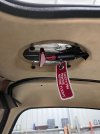
Taking off with CAPS pinned, to me, is indicative of a pilot with one or more hazardous attitudes. So does not calculating fuel requirements and confirming you have enough fuel to make the trip with necessary reserve fuel.
Continuing the flight with an electrical system failure reinforces that belief for me.
Knowing the outcome of the flight you are of course correct. For reference (and I am not arguing that he SHOULD have continued):Hard disagree. He didn't handle ANY of the challenges well. Continuing this flight in a crippled aircraft was exceptionally poor judgment.
What's the relevance of this checklist?Knowing the outcome of the flight you are of course correct. For reference (and I am not arguing that he SHOULD have continued):
It says to continue flight. I'm not sure I would continue. Cirrus says it's ok. Now, what I would like to see more clearly stated is what do they recommend if you lose ALT1 AND ALT2.What's the relevance of this checklist?

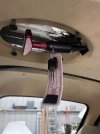
I hope this does not come across as I support leaving the Pin in the Chute handle. I don't. Mine comes out so I can start the airplane. However, if for some reason the pin was left in the handle it really wouldn't slow me down if I had to deploy.
So does not calculating fuel requirements and confirming you have enough fuel to make the trip with necessary reserve fuel.
Is a failure of ALT1 what happened in this case? If so, was that the only failure? The loss of GPS and radios suggests something else, doesn't it?It says to continue flight. I'm not sure I would continue. Cirrus says it's ok. Now, what I would like to see more clearly stated is what do they recommend if you lose ALT1 AND ALT2.
My guess is that with all the other stuff going on he forgot to switch tanks. He would not have Fuel QTY or switch tank timer/reminder. It wasn't reported if or how much fuel leaked from the breached tank. He may have had legal VFR reserves. The RDM they recovered and sent for analysis should answer that question, or maybe not because of loss of electrical power. They will know fuel flow and fuel remaining up until the time the power went out and should be able to determine if he had legal reserves.I wonder if the loss of avionics due to electrical failure affected that outcome. IE inable to lean to planned fuel burn due to lack of fuel monitor.
It says to continue flight. I'm not sure I would continue. Cirrus says it's ok. Now, what I would like to see more clearly stated is what do they recommend if you lose ALT1 AND ALT2.

IE inable to lean to planned fuel burn due to lack of fuel monitor.

It's also a violation of the regs. I just went over this with two flight review clients.Hard disagree. He didn't handle ANY of the challenges well. Continuing this flight in a crippled aircraft was exceptionally poor judgment.
 www.ecfr.gov
Certainly possible, especially if that was the only way he knew how to lean. Better full margin combined with knowing how to lean to roughness and then enrich might have been sufficient.
They will be able to tell from the RDM (remote Data Module) they recovered from the tail the sequence of events, but if he lost all comms my belief is he had NO power. That would suggest he lost ALT2 as well. COM1 is on the essential bus. If you lose the essential bus you got the windscreen and the backup instruments which are steam gauges in the G3.Is a failure of ALT1 what happened in this case? If so, was that the only failure? The loss of GPS and radios suggests something else, doesn't it?
They will be able to tell from the RDM (remote Data Module) they recovered from the tail the sequence of events, but if he lost all comms my belief is he had NO power. That would suggest he lost ALT2 as well. COM1 is on the essential bus. If you lose the essential bus you got the windscreen and the backup instruments which are steam gauges in the G3.
The beached tank was the only one with any fuel in it. The unbreached tank was empty. So either he ran it dry and switched (perhaps more than once) or took off with one empty tank.My guess is that with all the other stuff going on he forgot to switch tanks. He would not have Fuel QTY or switch tank timer/reminder. It wasn't reported if or how much fuel leaked from the breached tank. He may have had legal VFR reserves. The RDM they recovered and sent for analysis should answer that question, or maybe not because of loss of electrical power. They will know fuel flow and fuel remaining up until the time the power went out and should be able to determine if he had legal reserves.
So refer back to my question about the relevance of that checklist, and the pilot's fatally poor judgment.They will be able to tell from the RDM (remote Data Module) they recovered from the tail the sequence of events, but if he lost all comms my belief is he had NO power. That would suggest he lost ALT2 as well. COM1 is on the essential bus. If you lose the essential bus you got the windscreen and the backup instruments which are steam gauges in the G3.
He will have engine instruments until the essential bus goes away. The essential bus goes away when both BAT1 and BAT2 deplete. The BATs deplete at some point when the ALTs go away.Also, what kind of engine indications did he have once he started losing systems? MAP and RPM? Flow meter?
I would continue in my airplane. But knowing what I know now, I would surely not continue in a Cirri.

Yes. And the preliminary report says:The beached tank was the only one with any fuel in it. The unbreached tank was empty. So either he ran it dry and switched (perhaps more than once) or took off with one empty tank.
I hope this does not come across as I support leaving the Pin in the Chute handle. I don't. Mine comes out so I can start the airplane. However, if for some reason the pin was left in the handle it really wouldn't slow me down if I had to deploy.
....he was up to all the challenges that the aircraft threw at him until the engine quit.
However, if for some reason the pin was left in the handle it really wouldn't slow me down if I had to deploy.
If he took off with ALT1 issues the aircraft was not airworthy at that point. I don't know what he did or did not know or decide. Once in the air the Cirrus approved checklist says continue flight but try to avoid Night or IMC.So refer back to my question about the relevance of that checklist, and the pilot's fatally poor judgment.
I'm not trying to argue, but that's not what the Cirrus approved document say.Uh, no.
The correct response to those "challenges" should have been to land.
He exhibted very poor ADM, likely beginning with the preflight, and killed his wife and kids as a result.
If all you have is an ALT1 failure, which is an assumption you're making that's inconsistent with the known facts.If he took off with ALT1 issues the aircraft was not airworthy at that point. I don't know what he did or did not know or decide. Once in the air the Cirrus approved checklist says continue flight but try to avoid Night or IMC.

Cirrus has been ruthlessly criticized for Pull early, Pull often. I agree it’s a stupid motto, but it was created early on because some pilots either didn’t consider the option or refused to comprehend their situation.
Cirrus only has electric trim? Wow, something happens and you’re way out of trim that could be disastrous.
I read the preliminary report. What facts are known? I'm not trying to be confrontational. I have my own set of guesses. Loosing ADSB is a pretty good indication that you lost the Avionics relay due to low bus voltage. Losing Nav/Com and PFD means you lost the essential bus and are flying a plane without electrics. The Remote Data Module (RDM) which was recovered should provide some facts and a timeline.If all you have is an ALT1 failure, which is an assumption you're making that's inconsistent with the known facts.
For me it was like my first experience in IMC. I read all the stuff. I flew with Foggles. All the preparation did not prepare me for the leans.I recall that mantra was replaced with "Consider CAPS" a long time ago. IOW, put the option front and center in emergencies, not as a last resort.
I managed to spin in a Cirrus where a wing had departed and did not consider CAPS until too late and died. In a simulator, fortunately.