Alberta, Canada, has a lot of wind farms. As of this moment, this is what the outputs look like.
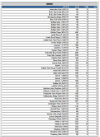
MC is Maximum Capacity. That would be nameplate capacity. TNG is Total Net Generation at the moment for the particular wind farm. DCR is dispatchable contingency power.
The total capacity is 5684 MW, and currently 161 MW is being produced. That is 2.8% of capacity. This is far too common, and frequently it falls to below 1%, sometimes even dropping to practically nothing. The TNG columns reads zero pretty much from top to bottom.
The reason for such dismal performance is this:
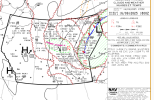
The three provinces there, left to right, are Alberta, Saskatchewan and Manitoba. There's a high over central Alberta and another over the Rockies. Note the distances between the isobars: that tells the whole story as to why there is so little wind. There have been days where the isobars are separated by three whole provinces. The air is totally still other than for thermal activity.
In the summer this means no wind energy for air conditioning, and it means a clear sky that lets the sun drive temperatures way up. In the winter it also means a clear sky, but the sun isn't warming much because it is so low in the south, and what heat does accumulate radiates off into space through that clear night sky. No wind on really cold days, so no heat. Alberta shut down nearly all their coal-fired powerplants and now they're sometimes scrambling to buy power from BC (hydroelectric) or from Saskatchewan (coal-fired) or from the US like Montana or Idaho (often coal-fired, probably more often hydroelectric).
The turbines get shut down when the temp goes below -30°C (-22°F). The blades get too brittle. High winds also mean shutdowns, and the prairies here get some pretty strong winds at times. When these things shut down in the cold, grid power is used to heat the nacelles to keep everything from seizing up in the cold. That never seems to show up on the charts.
So since they can't rely on wind, they need some other sources not affected by weather. On the Prairies, away from the Rockies, there is so little fall to any river that hydro is rare. Since there is a lot of coal, that was the standby until they started shutting it down. They're talking nuclear now, and should have been doing that a long time ago. The environmental lobby has held up any development of nuclear for a long time, but now, as electricity prices skyrocket and blackouts are threatening, they're pretty quiet. A blackout on a really cold day here is nothing to laugh at.



 spectrum.ieee.org