So lets see how you try and go off on a tangent and not address the very specific problems with the FAA I mentioned.
This took about 20 minutes to locate the references and type it out. Which further proves one of two things, either you’ve had your “AnP” less than 3 years, or you are simply clueless about what it takes to be a mechanic. So which one is it? Ha.

>They insist on a drop in 100LL replacement vs allowing the 80%+ of planes that could use a replacement today.
>How many decades has the FAA wasted and still not certified unleaded gas (yet MOGAS is fine) because they have the notion that a 100% drop in is required.
The FAA only approves what the industry and OEMs bring to them. With a stroke of a pen Lycoming, TCM, etc. could approve any fuel they want. Or ASTM, SAE could do the same and they both would a be drop-in, no STC required. For example, see Lycoming SI 1070 which lists approved unleaded fuel options.
>The FAA computes AD costs on an $80 an hour shop rate.
>The FAA computes 121 AD hourly rate at $60/hr
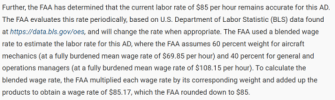
Only know of one shop rate: $85/hr for all ADs. But here is one rate explanation example for a Boeing 787 AD.
>And show me an owner that's gotten an AD letter and thinks the cost of compliance is correct. The shop that's charging $80 an hour is gonna get REAL popular REAL fast.
I know of no owner who believes that. The AD Compliance Cost calculations are part of the NPRM process, which falls under the APA Act. If you want more details look it up.
>The FAA has mandated ADS-B and allows its use for taxes/fees.
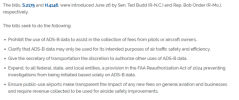
Once this became an issue the FAA, congress, and a number of states started the process to outlaw that practice as ADSB must only be used as a safety tool. One example:
>AnPs cannot do an annual, but a rando jabrony can sign a condition inspection after a two week class.
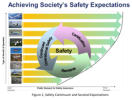
Simply because there’s no statement of airworthiness on a condition inspection. Hence the reason it takes an IA. This is pretty basic mx knowledge. But this move toward the 2-week LSR-I repairman certificate was initiated under the FAA’s Safety Continuum Doctrine which applies different levels of regulatory oversight depending on the risk to the public. Here’s one example:
>The FAA has not increased DPE/DME numbers to account for growth.
>How well is the FAA managing the DPE/DME shortage?
Every designee operates under an FAA managing office and managing specialist who provide oversight of the designee. However, if the managing office is only funded to handle X number of designees, they cannot add any more. Same if the managing office’s workload prevents additional designee oversight, none will be added. See Order 8000.95 for details.
>The FAA has not regulated DPE fees or put regulatory pilots rights for DPE misbehavior.
>How do you handle DPEs/DME's that abuse applicants, charge the outrageous fees and leave the applicant at the mercy of an examiners whims?
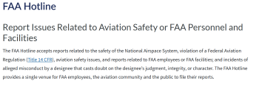
The FAA does not regulate designee fees. However, if you believe a designee charges excessively or acts inappropriately, contact the FAA Hotline or the designee’s managing office to report them. For reference:
>The FAA prohibits moving certificated airframes into E/AB
Part 21.191(g) does not permit it. So start an action to change the regulation? Canada did something similar.



