Engine monitoring raising new questions

mandm

Avionics Upgrade
Joined
Feb 7, 2020
Messages
3,616
Location
Chicago
Display Name
Michael
Home Airfield
KUGN
With analog gauges, I’m not really able to notice small differences in the gauges, but with digital, it’s really clear, maybe a little too clear.

What I’m noticing is that my oil pressure is ranging from 78-91psi, all in the green, but I’m wondering what external factors cause this to vary? In flight, it may increase in flight slowly, but it’s pretty stable, however the next flight it will likely read a different number.

Manifold pressure gauge, fluctuates almost 0.8-1” in flight, goes up, then back down and then up again.

Oil temperature got a little cold yesterday, 120F, normally it’s running 140-150F. Outside was cold at -3C.

I’m using lean assist to lean in cruise flight, that seems to be working fine. I reduced speed a bit for turbulence, and found the aircraft seemed to run a bit smoother on 70%-73% BHP vs 75% BHP.

Oil consumption appears to be good, burning (or leaking) roughly 0.5 quarts in 20 hours (I’ll measure it again when I go back to the hangar for more exact numbers). I flew 4 legs yesterday, the first 3 legs, no visible oil leaking, and then after the 4th shorter leg which I did a go around, some oil was present on top of the cowling, I’m guessing that the go around spit out some oil and probably at one of the screws/nuts on the case that I think I’ve located as a culprit, but the oil consumption seems very good anyway. Another thing to note, I have a new digital CO detector that I run when using the heat, flew the entire day with the heat with 0ppm, then on the go around, the CO detector goes off, indicating nearly 75ppm of CO. Heat off and vents open, the CO levels dropped immediately, but wondering if the go around and AOA pushes CO into the cockpit?

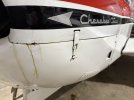
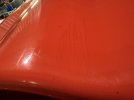
Last question, the black soot on the right side of the aircraft, what’s up with that?
 
It will be in the line between the intake or wherever the pick up source is and the MP sensor. It is just a small orifice that smooths out reading displayed on the panel. The bad thing about these systems is the high refresh rate, I really wish it would display the average reading over the past 7 seconds or something of that nature. I had to play around with the orifice size to get a nice steady reading before. It does slow the reading way down when changes are made but I liked a decently steady reading.

But yeah there is a lot of fluctuations to be noticed vs analog gauges.
 
No idea what that is

Basically a damper or "shock absorber". Depending on the acquisition rate of the engine monitor and the sensor, plus the setup you may need one. But I wouldn't jump straight to that without seeing some data first.
 
I have a new digital CO detector that I run when using the heat, flew the entire day with the heat with 0ppm, then on the go around, the CO detector goes off, indicating nearly 75ppm of CO. Heat off and vents open, the CO levels dropped immediately, but wondering if the go around and AOA pushes CO into the cockpit?
Normally you'd be full power/full rich on a go-around. My experience is that those conditions are the biggest contribution to higher cabin CO levels. A combination of much higher CO concentration in the exhaust and high exhaust gas flow rate. You can test this behavior in cruise. Compare cabin CO levels leaned vs. full rich.
 
My CO monitor always alarms when I cut power to idle on final. Go figure.

Too much data is a thing when you first get an engine monitor. Try not to overthink it too much. Oil pressure, for example. Temperature affects viscosity. Your engine temp varies from flight to flight, so naturally your oil pressure will also vary.

You are looking for trends. If your OP suddenly starts dropping 10 psi every few minutes, it's time to get on the ground.

MP measures the suction your engine cylinders generate against the air intake. Minor fluctuations in RPM.are going to create minor variations in suction. Also MP is the difference between that suction and the air pressure surrounding the plane. As you climb, your MP goes down. Unless your altitude is rock steady, your MP is going to change with it.

Oil consumption is generally internal. Oil slips past the rings and gets burned or blown out the exhaust. That's why high consumption is an indicator of a worn out engine. Most planes have very minor leaks and seepage, but that is not a huge factor in oil consumption.

Best way to stay on top of leaks is keep your engine compartment obsessively clean. Every time you change the oil, decowl and pressure wash the engine with mineral spirits. After you refill it, run up to operating temp and inspect for new leakage.
 
Last edited:
With analog gauges, I’m not really able to notice small differences in the gauges, but with digital, it’s really clear, maybe a little too clear.
At least until you get used to it and learn what you're really looking at. Then, you can really get a much better picture of what's going on with the more accurate readings. This goes for glass panels as well, not just engine parameters.

What I’m noticing is that my oil pressure is ranging from 78-91psi, all in the green, but I’m wondering what external factors cause this to vary? In flight, it may increase in flight slowly, but it’s pretty stable, however the next flight it will likely read a different number.
I would suggest you do a scatter plot of oil pressure vs. oil temp, and maybe another one of oil temp vs. OAT and oil temp vs. airspeed. Do you see a pattern in those plots?

Like @455 Bravo Uniform said... Maybe create a graph with time since liftoff on the X axis and oil temp vs. ambient on the Y.

There are some web sites like flysto.net and aircraftdata.com that can graph a bunch of parameters for you and help you see those patterns. If you plot oil temp, oil pressure, CHT, OAT, and airspeed, you'll see some pretty obvious correlations between those variables.

Manifold pressure gauge, fluctuates almost 0.8-1” in flight, goes up, then back down and then up again.
How fast is it fluctuating? If it's "shaking" you might want the snubber previously mentioned. If it's a bit slower, the engine monitor may be doing some software smoothing, that should be able to be adjusted by the avionics shop.

Oil temperature got a little cold yesterday, 120F, normally it’s running 140-150F. Outside was cold at -3C.
Yup. Colder OAT means cooler CHT and oil temps.

Another thing to note, I have a new digital CO detector that I run when using the heat, flew the entire day with the heat with 0ppm, then on the go around, the CO detector goes off, indicating nearly 75ppm of CO. Heat off and vents open, the CO levels dropped immediately, but wondering if the go around and AOA pushes CO into the cockpit?
Probably. Low speed, high AoA, high power. Isn't your cockpit vent intake on the tail too?

Last question, the black soot on the right side of the aircraft, what’s up with that?
On the right side?? That's a bit different. Often it's on the left side since the exhaust is usually underneath the cowl and the propwash will blow it around and it ends up on the left side of the plane.

Are you sure it's soot? Could it be oil or grease from the prop?
 
We had a CO alarm problem for nose high like slow flight or landing. Turns out to be the right side exhaust joint. A set of new pipes and problem gone. Check if you have the tell tail grey soot.
 
Oil temperature, once stabilized in cruise, will generally run the same amount above OAT. So if you see, say, 160° on a 50° day you can expect to see 190° on an 80° day. This is because the amount of heat produced by the engine is constant for a constant power setting, and heat transfer (taking heat away from the engine) is proportional to the temperature difference.

Of course adjustable cowl flaps or other active temperature control like a temperature controlled oil bypass valve (Vernatherm) will change that.
 
My CO monitor always alarms when I cut power to idle on final. Go figure.

Too much data is a thing when you first get an engine monitor. Try not to overthink it too much. Oil pressure, for example. Temperature affects viscosity. Your engine temp varies from flight to flight, so naturally your oil pressure will also vary.

You are looking for trends. If your OP suddenly starts dropping 10 psi every few minutes, it's time to get on the ground.

MP measures the suction your engine cylinders generate against the air intake. Minor fluctuations in RPM.are going to create minor variations in suction. Also MP is the difference between that suction and the air pressure surrounding the plane. As you climb, your MP goes down. Unless your altitude is rock steady, your MP is going to change with it.

Oil consumption is generally internal. Oil slips past the rings and gets burned or blown out the exhaust. That's why high consumption is an indicator of a worn out engine. Most planes have very minor leaks and seepage, but that is not a huge factor in oil consumption.

Best way to stay on top of leaks is keep your engine compartment obsessively clean. Every time you change the oil, decowl and pressure wash the engine with mineral spirits. After you refill it, run up to operating temp and inspect for new leakage.
Thanks for the explanation.

For my MP, I would be in level cruise flight with the autopilot on, no changes to any settings with the MP bouncing up and down 0.8-1”.

For OP, usually it’s rising a few psi in flight and will stay there, it isn’t bouncing around up and down like the MP does.

I’ve been taking off the cowling and trying to clean it, I didn’t realize you can pressure wash them, I’ve been using Carbon C to try to clean it, it’s difficult to keep it clean, but now I have a better idea of where my oil leak is coming from. Will pick up some mineral spirits.
 
My A&P said the best thing and the worst thing was me having more precise numbers. Good because you can pinpoint issues, bad because you are worried about every little variance. Our engines aren't machined that precise, why would we expect precise consistent readings every time? Same reason we don't build houses with a micrometer.
 
I’ve been taking off the cowling and trying to clean it, I didn’t realize you can pressure wash them, I’ve been using Carbon C to try to clean it, it’s difficult to keep it clean, but now I have a better idea of where my oil leak is coming from. Will pick up some mineral spirits.

These work great for engine cleaning. You'll need an air compressor with some oomph. Drop the siphon pickup tube in a gallon jug of clear mineral spirits, available in the paint section of Wally World.

 
Lower oil temp = higher oil pressure?
Yes. When cold, the viscosity is higher. It will be “thicker” and harder to move (pump) so the pressure readings will be higher. You can observe this on cold start vs hot start, cold idle vs hot idle, in your car or plane.
 
At least until you get used to it and learn what you're really looking at. Then, you can really get a much better picture of what's going on with the more accurate readings. This goes for glass panels as well, not just engine parameters.


I would suggest you do a scatter plot of oil pressure vs. oil temp, and maybe another one of oil temp vs. OAT and oil temp vs. airspeed. Do you see a pattern in those plots?

Like @455 Bravo Uniform said... Maybe create a graph with time since liftoff on the X axis and oil temp vs. ambient on the Y.

There are some web sites like flysto.net and aircraftdata.com that can graph a bunch of parameters for you and help you see those patterns. If you plot oil temp, oil pressure, CHT, OAT, and airspeed, you'll see some pretty obvious correlations between those variables.


How fast is it fluctuating? If it's "shaking" you might want the snubber previously mentioned. If it's a bit slower, the engine monitor may be doing some software smoothing, that should be able to be adjusted by the avionics shop.


Yup. Colder OAT means cooler CHT and oil temps.


Probably. Low speed, high AoA, high power. Isn't your cockpit vent intake on the tail too?


On the right side?? That's a bit different. Often it's on the left side since the exhaust is usually underneath the cowl and the propwash will blow it around and it ends up on the left side of the plane.

Are you sure it's soot? Could it be oil or grease from the prop?
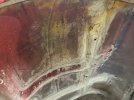
IMG_8895.jpegIMG_8896.jpegIMG_8899.jpegIMG_8897.jpegIMG_8900.jpeg

Here’s the pics.
 
The oil drip on the left front of the cowl would get my attention. I'd want to know where that is coming from. Prop governor, maybe?

There are various things that need TLC on a regular basis. Oil return tubes on the IO-360, for example. Rubber gets hard with age, and the hose clamps start leaking after 5 or 10 years. Silicone gaskets can easily get squished from overtightening. Sometimes a nut, bolt, or fitting will work loose. All very minor stuff, but if you don't address it, you will get all kinds of little drips over time. They don't hurt anything but they might prevent you from spotting a bigger issue.

Like I said, get an engine cleaning gun from Amazon or Harbor Freight. Decowl and wash down thoroughly with mineral spirits at your next oil change. Get that engine spotless. Run it up to temp and give it a good inspection. You'll probably spot all kinds of little seepages which are usually easy to trace and fix. You'll know your engine a lot better too.
 
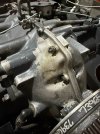
IMG_8901.jpegIMG_8902.jpegIMG_8904.jpegIMG_8906.jpegIMG_8907.jpegIMG_8903.jpeg

Got the mineral spirits and going to try to clean the cowling and engine with that, I was using CarbonX on the cowling and was difficult to clean but it did clean a little bit. Waiting for the pressure wash to arrive.

Top of crankcase looks like 1-2 screw/nuts have a leak. Prop has a grease leak too but I’m thinking that was over greased at annual as I had the prop pulled and a new prop seal already done. I’ve noticed on go arounds particularly I’ll get dirty stuff on top of the cowling. The left side leak looks like it’s coming from the cylinder. I remember two cylinder gaskets were replaced either 1 or 2 annuals ago.

Regards to the pressure wash with mineral spirits, just hit the engine directly with that? At what psi would you recommend? I have lots of wires in the engine compartment, I don’t want to damage anything. Thanks in advance.

Oil consumption is 1 quart in 20 tach hours.
 
Last edited:
View attachment 139772View attachment 139773View attachment 139774View attachment 139775View attachment 139776View attachment 139778

Got the mineral spirits and going to try to clean the cowling and engine with that, I was using CarbonX on the cowling and was difficult to clean but it did clean a little bit. Waiting for the pressure wash to arrive.

Top of crankcase looks like 1-2 screw/nuts have a leak. Prop has a grease leak too but I’m thinking that was over greased at annual as I had the prop pulled and a new prop seal already done. I’ve noticed on go arounds particularly I’ll get dirty stuff on top of the cowling. The left side leak looks like it’s coming from the cylinder. I remember two cylinder gaskets were replaced either 1 or 2 annuals ago.

Regards to the pressure wash with mineral spirits, just hit the engine directly with that? At what psi would you recommend? I have lots of wires in the engine compartment, I don’t want to damage anything. Thanks in advance.

Oil consumption is 1 quart in 20 tach hours.

Pressure wash is a bit of a misnomer. It's more like compressed air with a fog of mineral spirits. Try it on your hand and you'll see. As long as you are 6 to 12 inches away, you can't hurt anything. Play with the PSI to get sufficient pickup from the reservoir. Move it closer if you find some stubborn gunk.

Your engine looks pretty clean and well cared for already. The mineral spirits wash will help you narrow down the origin of any seepage by getting rid of old oil, which tends to run.
 
Make sure and wrap your starter and alternator in something. Don't want mineral spirits inside either of those.
 
Here’s the pics.
Ah, OK. I've seen that before, and IIRC it's merely dirt and/or oil in various places getting blown/washed out. I've seen some planes that would do that all the time, and I've seen others where it doesn't happen unless you go into IMC or precip to wash it out.
 
Ah, OK. I've seen that before, and IIRC it's merely dirt and/or oil in various places getting blown/washed out. I've seen some planes that would do that all the time, and I've seen others where it doesn't happen unless you go into IMC or precip to wash it out.
Usually IMC / precip for me, or go arounds for the top of the cowling.
 
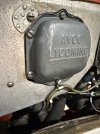
A little bit leaning to the parts cannon approach, when were the valve cover gaskets last replaced? Also are the valve cover screws torqued correctly and checked for flatness?
 
A little bit leaning to the parts cannon approach, when were the valve cover gaskets last replaced? Also are the valve cover screws torqued correctly and checked for flatness?
Is that the cork like square ish thing that I’m guessing goes behind the cylinder cover that says AVCO on it? I had 2 new cylinders when I got the airplane a few years ago and my mechanic changed 2 cork gaskets or whatever they are called. Feels like a million possibilities, but really a beautiful piece of machinery.
 
Is that the cork like square ish thing that I’m guessing goes behind the cylinder cover that says AVCO on it? I had 2 new cylinders when I got the airplane a few years ago and my mechanic changed 2 cork gaskets or whatever they are called. Feels like a million possibilities, but really a beautiful piece of machinery.
Yes. New PMA approved silicone ones are about $10 each from Spruce. Having said that, they require careful installation to not over torque or unevenly torque. No disrespect, but if you don’t know that’s a valve cover, you need qualified help to install. If it were my plane, I’d replace them given the low cost.
 
Yes. New PMA approved silicone ones are about $10 each from Spruce. Having said that, they require careful installation to not over torque or unevenly torque. No disrespect, but if you don’t know that’s a valve cover, you need qualified help to install. If it were my plane, I’d replace them given the low cost.
I would ask my mechanic to do this, as it’s beyond my skill level. Is that even owner preventative maintenance territory?
 
I would ask my mechanic to do this, as it’s beyond my skill level. Is that even owner preventative maintenance territory?

It's a gray zone. Nobody is going to call you out on it. But an easy task for your A&P at next annual and NTE 30 minutes of labor.

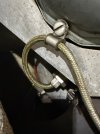
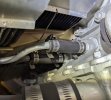
If you have a Lycoming, give your oil return tubes a look too. They are the 2 inch long black rubber hoses under the cylinders. They get plenty of heat, which means that rubber hardens and starts to leak at the hose clamps. I think swapping those out every 5 years is smart. Also IMO owner maintenance and nearly impossible to screw up if you use the Lycoming hose.

Finally, look at the base of the oil filler tube. I've never been able to get that stupid gasket not to leak a little. Dang safety wire.
 
I would ask my mechanic to do this, as it’s beyond my skill level. Is that even owner preventative maintenance territory?
That was more a CYA comment on my part vs a opinion on OM or not.
 
Make sure and wrap your starter and alternator in something. Don't want mineral spirits inside either of those.
That there. Keep it out of the vacuum pump drive and magnetos, too. It can wreck a vac pump real quick. The varnish insulation on the wires in electrical stuff is softened by the solvent, and the graphite rotor and vanes in the vac pump are wrecked by it.
Finally, look at the base of the oil filler tube. I've never been able to get that stupid gasket not to leak a little. Dang safety wire.
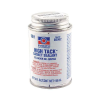
Take the tube out. Get a new gasket. Clean the tube and the engine case at that port thoroughly with some brake cleaner or similar. Get it really, really oil-free. Use some Permatex High Tack gasket sealer on the gasket, both sides of it, and install the tube and lockwire it. Once that High Tack sets, the tube will stay put.


1744569756679.png
 
Pressure wash is a bit of a misnomer. It's more like compressed air with a fog of mineral spirits. Try it on your hand and you'll see. As long as you are 6 to 12 inches away, you can't hurt anything. Play with the PSI to get sufficient pickup from the reservoir. Move it closer if you find some stubborn gunk.

Your engine looks pretty clean and well cared for already. The mineral spirits wash will help you narrow down the origin of any seepage by getting rid of old oil, which tends to run.
I did some cleaning and got the top cowling pretty clean. I need to take off the bottom cowling and work on that next. Kind of thinking I should mix the mineral spirits with water? Appears to wash the dirt out a bit better that way. Used on the engine and mounts, I have lots of flaking paint and gunk, it appears to be taking some of that off. Also used on the cylinder heat sinks and crankcase, cleaned it up pretty well. Trying to stay away from the starter and alternator. It is flaking paint off the top of the crankcase, but it is old paint I guess I’m ok with that, I just want it cleaned up a bit.

Now the red air hoses are so dirty and old it’s driving me a little nuts when it’s next to all my new wires, plus the magneto harness is a bit nasty, I got the oil dipstick area cleaned, now I see old gunk by the magnetos, oil filter and prop. Going to take this slow over several cleanings, tried to fly in rain today but I missed it. Thought that might help wash things out a bit.

I imagine there is not a waterproof section of the engine compartment?

I use straight mineral spirits. I would be worried about rust if I cut it with water.

If your grody old scat hoses bug you, replace them. It is not hard or expensive. The only trick is learning how to strip the wire from the first half inch of hose to fit the clamps. But once you do it, you'll wonder why you didn't do it years ago.

If you are stripping paint from ferrous materials like your engine mount, I would get in there and spot paint with a rattle can.
Would totally love to change those hoses as there is built up gunk on them (and a nasty build up on the magneto harness wiring too - any suggestion on how to clean that?), now that I took the bottom cowling off, I sprayed that down and I’m going to let it sit and spray it again next time I’m at the hangar. Now a ton of gunk is everywhere. Can you spray around the magnetos, fuel filter, fuel pump, all that jazz with the mineral spirits? I put the compressor at 75-100psi and tested on my hand, it’s not like a fog but a solid spray stream but it isn’t too strong on my hand, in my opinion. It’s cleaning up a bit now. Also guessing if you have a freshly painted engine that you wouldn’t want to do this as it would peel the paint off?

Also, I got the old chafing tape and most of the glue off (hoping it’s good enough or do I need another pass at it?), I always envision these projects as being quick then 2 hours later I’m still at it, and missing a part. I want to get a hole punch for the chafing tape so the screw holes line up well so I ordered that.


IMG_9006.jpegIMG_9004.jpeg
 
Back
Top