42 is not to old to start learning to fly.
As others have advised, getting the medical certificate early is a good thing. There are a variety of conditions that have been listed in the previous responses that you need to be on top of anyhow, but if they are outside of the green arc, the FAA is gonna want more detail and info on what you're doing to manage these. Also as mentioned, the FAA will want to know about about any past histories involving Law Enforcement, Drug use (prescription and illegal), and mental conditions.
If all is well on these fronts, excellent. If not, tell us which apply and we can supply resources to help you get the correct info and documentation to make the FAA happy.
Next, do look for flying clubs in your area. These are often groups that created a shared ownership situation around one, two, or more aircraft. Flying clubs are a great way to get the most for your money, but during training and afterwards. You will get access to some very nice and well maintained aircraft and get plugged into a good group of people to help you as you learn and gain experience.
An example is the one I belong to,
www.metroflyersclub.com. The cost of entry was just $3500 with reasonable dues and a killer rental rate on a Cessna 182 and a Bonanza V35 ($110/tach hr wet and $130/tach hr wet respectively). And the Bonanza is getting fitted with a glass panel starting this week.
The advice to save up at least 66%-75% of the training budget before you start is sound. I also did this, and the topped off the remaining after I got started. Doing this ensures that you'll never have to stop training due to lack of funds.
Other tips:
The new skills are perishable. Having a long time between lessons will increase the costs because you need to regain a skill or regain proficiency on something you already covered. Optimum routine is at least 2 lessons a week.
Work with a instructor that has a written syllabus. This makes it much easier to track progress and keep aware of what was done and what's to be done. No wandering and repeating lessons unless there is a true need to repeat. Also makes it simpler for you to prepare for the next lesson.
Always show up to the lessons prepared. If you're given a reading assignment, know the contents cold when you show up. Your instructor will do a short review to ensure you know it. By being prepared, you won't waste time covering information you should already know.
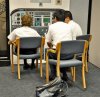
Chair fly frequently: Sit in a chair and visualize doing all the steps you necessary to do the preflight, taxi out, radio and flight control setup, runup, take off, en route, descent, and land. Like the students in the image below. Doing this helps create brain, muscle memory, and correct flows for safe and successful flying.
As others said, welcome to your new obsession!!!

 Hello,