C
Cillian
Guest
I appreciate the scrutiny and the keen eye for detail – it's a good reminder that aviation demands precision, even in recalling a highly stressful event.
To address the suggestions that "ChatGPT got a lot of things wrong in this one" and “this wasn't written by a pilot”: I assure you, every heart-stopping moment, every decision, and every fumbled radio call was very real and etched vividly into my memory. While AI can certainly help refine prose, the core experience, the terror, the quick thinking, and the subsequent self-reflection are authentically mine. There's no algorithm that can replicate the feeling of your prop surging and then going silent 7,000 feet above the ground.
You've hit on a critical technical detail regarding the propeller pitch, and you are absolutely right to call it out. My apologies for the misstatement in the original recount, which was certainly a product of my brain attempting to process a chaotic situation and then articulate it.
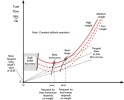
The correct term is indeed coarse pitch, not fine pitch. A prop stuck in coarse pitch (the setting for cruise flight, where the blades bite a larger "chunk" of air) when engine power is lost, or significantly reduced, is precisely what would lead to the symptoms I experienced:
Initial surge/overspeed: As power was lost but the prop tried to maintain RPM at a coarse pitch setting, it would briefly overspeed due to the sudden lack of resistance from the engine's power stroke.
Loss of thrust and "glider" effect: With the engine no longer driving it effectively, a propeller stuck in coarse pitch acts like a very efficient airbrake or a windmilling turbine. It offers significant drag, which explains the rapid loss of 40 knots of groundspeed and the inability to maintain altitude even at best glide airspeed. This is the exact opposite of what you want in an engine-out situation; pilots often try to feather the prop (move to maximum coarse pitch) to reduce drag in a true engine-out, but if it's already stuck there and the engine isn't producing power, it becomes a major liability.
My later learning that it was "likely a classic prop governor failure: an initial overspeed, then a shift to fine pitch, providing some thrust but nowhere near enough to fly" was an attempt to simplify a complex diagnosis from the maintenance folks. In reality, the governor likely failed in a way that left the prop locked or moving towards a very coarse pitch, creating massive drag. If it had gone to fine pitch, I would have had significantly more "thrust" (or at least less drag) and perhaps more control, but certainly not the immediate "I am now a glider" sensation.
Thank you for the correction; it reinforces the importance of accurate technical communication, especially in aviation. It's a key detail that clarifies the aerodynamics of the emergency and why I felt such an immediate and dramatic loss of energy. The experience, and the lessons learned, remain unchanged. And yes, the whiskey was still very expensive.