- - - - Four new ECI Titanium cylinders arriving tomorrow. What's the recommended break-in procedure?
Ask me if I'm "wired," (and poorer).
HR
Each cylinder kit will have a booklet in the box,, Read it, follow the instructions.
Basically it says, use 20-W-50 Phillips. and fly the engine as you normally would.
http://www.eci.aero/pdf/BreakInInstructions.pdf
page #7 "First flight-->
10. On take‐off, use minimum power to reach 40 MPH (IAS) before applying required take‐off power. CAUTION: Determine that there is sufficient runway remaining in order to reach take‐off airspeed.
11. Use take‐off power only as long as necessary to get to BEST CLIMB SPEED. Reduce manifold pressure to minimum required for clean in‐flight attitude. Leave propeller in flat pitch for at least 5 minutes after take‐off. For aircraft not equipped with a variable pitch propeller or manifold pressure gauge, reduce power to 75%. Use minimum rate of climb with maximum air speed consistent with terrain.
12. When desired altitude is reached and cylinder head and oil temperatures are satisfactory, aircraft should be operated at 75% power until 20‐30 minutes of flight time have elapsed. The engine should then be operated at various power settings and engine operating parameters observed until at least 45 minutes of flight time have elapsed. All power changes should be made very gradually, especially power reductions.
13. During the test flight, any time that a persistent high oil or cylinder head temperature is noted, a precautionary landing and inspection should be made to determine the cause. Maximum permissible cylinder head temperatures are published in each specific engine’s type certificate data sheet. These maximum permissible temperatures range from 450°F to 525°F, depending on the engine type. Consult your specific engine’s type certificate data sheet for maximum operating temperature.
14. On initial flight after at least 30 minutes of satisfactory flight time have been accumulated, the aircraft should be landed and the engine be reinspected. Oil consumption should be noted; and, if excessive, should be investigated before further flight.
15. Test flight and results should be entered in the engine log books before the airplane is released to service. Operators should be cautioned against long ground runs and prolonged climbs at low air speeds.
©2011 Engine Components International

Engine Break‐in Instructions Run‐in vs. Break‐in 8
16. Ground operations and continuous climb at low airspeed should be
minimized until the engine has accumulated at least 25 hours operating time.
Cylinder overheating can cause cylinder bore glazing and/or piston scuffing at
any time during engine operation but cylinder assemblies are most susceptible to these problems during the first 25‐50 hours of operation. Whenever glazing and/or scuffing become severe, the only remedy is to remove the offending cylinder(s), mechanically remove the glaze, replace the piston if necessary and install a new set of rings.








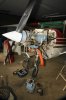
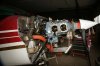

 ) ?? The former USN pilot who is using my plane to get a CFI rating -- having been a USN Instructor -- presently with ratings up to ATP and having thousands of hours as a Navy pilot, seems to envision flying my plane another 50, maybe 100 hours, shall we say, "is assisting." Things could be worse.