
Gunk Inside Radiator?

Rarefied

Line Up and Wait
Joined
Sep 14, 2016
Messages
860
Display Name
Broke Engineer
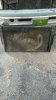
Okay, so today I took the radiator out of my truck(1999 Ram 2500 with the Cummins) to clean it as when I was idling for more than a few minutes the truck would overheat. As you can see from the picture, it very much needed to be cleaned.
Snapchat-2094040675.jpg

After going through the whole process of cleaning, before I was about to put the rad back in I noticed I needed a new belt. So I went to the store and bought a nice new one and also a new bottom coolant hose as I had a problem getting it off, and well, ended up cutting it off :D.
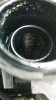
Anyways, with the rad back in and as I was filling it back up(took 5 gallons of coolant mind you) I noticed this -
Snapchat-1403005512.jpg
I was wondering how much less effecient the rad may be because of this gunk, and if it is possible to clean it. Would probably be better to just get a new rad at that point but I'm still interested in knowing.
 
I suspect it would be worth your time
to take it to a radiator shop for cleaning and leak check. Sometimes cleaning exposes leaks

You did dilute your collant 50-50 didnt you?
 
I suspect it would be worth your time
to take it to a radiator shop for cleaning and leak check. Sometimes cleaning exposes leaks

You did dilute your collant 50-50 didnt you?
I bought the 50/50 pre-mixed name brand diesel coolant.
 
Yes, it's less efficient than it was when new, but you already cleaned the external fins so that should help. Put it back in and run it. If you still have problems, go to the parts store and buy rad scale removal, and run it through.
 
Yes, it's less efficient than it was when new, but you already cleaned the external fins so that should help. Put it back in and run it. If you still have problems, go to the parts store and buy rad scale removal, and run it through.
Oh I've already put it back in and run it. It definitely works way better. Was just curious how much the gunk affects it. Thanks for the tip on the scale removal.
 
Make sure if you use the radiator flush that you remove the thermostat and use the correct flush. If you have an aluminum radiator and use the wrong type of flush your radiator will look like swiss cheese when you are done. It will eat it.
 
Years ago we used to put in a half cup of Cascade dishwashing detergent, the powdered kind, in the radiator. Run it an hour or so, enough for the thermostat to open, drain, flush and refill with your favorite flavor of anti-freeze.

Be sure to use Cascade because it won't leave spots.....

Actually the radiator shop is the best idea.
I've seen laundry soap used. Like dishwasher detergent it doesn't foam. But yeah the long term fix is to flush the system and have the radiator cleaned/tested in a shop.
 
What really needs to be done is the tanks removed and the core rodded out. Not sure if that's possible if the tanks are plastic. Brass tanks just get soldered back on.

My radiator shop guy recommends filling with clean water, running it till it gets hot, and repeating a couple times without any additives. If that doesn't do it, have it disassembled and rodded. Less expensive than you may think.
 
I'd check and see whether that make and model are know for radiator leaks after X number of years or miles. If so, I'd do a preemptive replacement. Some old Saturns have that problem, for example.

Rich
 
What really needs to be done is the tanks removed and the core rodded out. Not sure if that's possible if the tanks are plastic. Brass tanks just get soldered back on.

My radiator shop guy recommends filling with clean water, running it till it gets hot, and repeating a couple times without any additives. If that doesn't do it, have it disassembled and rodded. Less expensive than you may think.
It's possible, but hardly worth it in an era of $100 radiators.

Just replace the damn thing if it doesn't work, and leave it the hell alone if it does.

If it ain't broke, don't fix it.
 
What really needs to be done is the tanks removed and the core rodded out. Not sure if that's possible if the tanks are plastic. Brass tanks just get soldered back on.

My radiator shop guy recommends filling with clean water, running it till it gets hot, and repeating a couple times without any additives. If that doesn't do it, have it disassembled and rodded. Less expensive than you may think.
Yea, considering it costs $100 just in coolant to take the radiator out and put back in, I'm going to leave it as long as it works.
Just replace the damn thing if it doesn't work, and leave it the hell alone if it does.
Basically my thoughts exactly. I was just curious as to what it was and how much it affected things.
known for radiator leaks after X number of years or miles.
Rich
Not sure about how long they last, haven't heard any common leaking problems coming from the radiator. However, these trucks do seem to commonly start to leak from the pump after 1-200k miles.
 
What is all over the face of it, @Matthew K ? Driving in construction areas? Dusty places? Ick - need to check mine.
 
Last edited:
It's possible, but hardly worth it in an era of $100 radiators.

Just replace the damn thing if it doesn't work, and leave it the hell alone if it does.

If it ain't broke, don't fix it.

In general I agree; but it also depends on the car, the radiator's reputation, and how the vehicle is used.

As I mentioned earlier, I used to routinely replace the radiator and the rest of the cooling system on any Saturn S-Series car at around 150,000 miles. Historically, 150,000 to 175,000 was when the water pumps, radiators, and tensioners on those cars started failing, and any one of them would strand the car and its occupants.

I'd use a Spectra radiator, an AC-Delco tensioner (none of the rest seemed to last), a good-quality water pump (usually Bosch or AC-Delco), and good belts and hoses (Gates, Dayco, etc.). Total cost for parts would wind up at around $200.00 - $250.00 plus the coolant and took about half a day. It was well worth it for peace of mind.

That was a special case, though. The cars had been around long enough that there was an historical MTBF for those parts, so it made sense to just replace them all at once and be done with it.

Rich
 
What is all over the face of it, @Matthew K ? Driving in construction areas? Dusty places? Ick - need to check mine.
It seems people with this type of truck tend to clean their rads every other year or so. I haven't owned this vehicle for long relative to the age of the vehicle, so this very well may have been the first time its been cleaned. As far as whats on it, only thing I can figure is general oil from the historic spit bottle outlet that was idiotically put in front of the rad, but that has been removed and the hose moved and general dust building up on that oil over the past 18 years.
 
Back in the day we used to backflush radiators regularly. Of course, you can't just shoot the cooling out on the ground anymore. It needs to be recovered, so it's unusual to see a service place even bother to drain it, let alone flush.
 
Back in the day we used to backflush radiators regularly. Of course, you can't just shoot the cooling out on the ground anymore. It needs to be recovered, so it's unusual to see a service place even bother to drain it, let alone flush.
Speaking of recovery, from my understanding normal auto shops don't recycle it. Any tips on where to take my 5 gallons of coolant?
 
Our municipal recycling center next to the dump has tanks for motor oil and coolant, pallets for batteries. Might call the county.
 
I didn't say I don't know where to take coolant (indeed our county does). But around here most service places are required to process it in house, which sometimes means they don't drain/flush.
 
Oil is leaking into your radiator. You may have a bigger problem.
If you are lucky, it's "just" a gasket. If it's a crack, you're screwed.
 
Oil is leaking into your radiator. You may have a bigger problem.
If you are lucky, it's "just" a gasket. If it's a crack, you're screwed.
I don't think that's correct. If there was an oil leak there'd be signs of it in the coolant, which there isn't. I believe the white is calcium from not completely pure water.
 
Last edited:
I didn't say I don't know where to take coolant (indeed our county does). But around here most service places are required to process it in house, which sometimes means they don't drain/flush.

I have a friend in The City who uses it as rat poison.

Rich
 
As I understand it the primary ingredient in antifreeze, ethylene glycol, breaks down in the environment and only poses a hazard if it pools up somewhere animals can get into it. The stuff is very sweet tasting to animals so they're attracted to it and drink it... if they ingest enough their kidneys shut down.

But if it say got dumped in a rocky gravel driveway where it wouldn't leave a pool and soaked into the ground it wouldn't cause any problems. Um... I assume...
As a general rule don't pour anything on the ground that you don't want to drink later.

Yes, I grew up in a generation that poured stuff on the ground. No I don't do it anymore. Recycle it.
 
Back
Top