
Engine heaters and corrosion

decalogue

Ejection Handle Pulled
Joined
Feb 9, 2026
Messages
375
Display Name
Decalogue
For a long time I always scratched my head when I’d read about GA pilots and the mythical “sitting engine” where it just rusts away.

Think I may have figured it out.

I took my cowl blanket and very small and new cube personal sized heater to preheat my plane for a hour before I took her up for a rip.

I plug the tiny thing in put it in the cowl, cover the blanket and by the time I get to the hanger door the overhead LED light went out, huh.

I reset the breaker for all of the hangars, and I heart multiple bays beeping. Well that’s interesting

I think back to the old corded leaf blower I used in the summer to blow dirt out of the hangar, MUCH higher draw and no issue.

Then it occurs to me, a ton of these planes are just sitting there, percolating with constant engine heaters on.


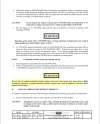
“WARNING
Do not leave an engine-mounted pre-heater system on for more than twenty- four hours prior to flight. Continuous operation of engine-mounted preheater systems may result in aggressive corrosive attack internal to the engine.”
IMG_0943.jpeg
 
I personally think it depends. If you have just a sump heating pad, I agree. If you have cylinder bands or a system that heats from the top down where you can get the entire engine case and cylinders heated, you maybe ok. YMMV.
 
Whatever, been doing it for years here in Central IL and have seen the inside of my Continental 3 times when cylinders have needed a rework (valves). No issues. No alarming oil analysis results either.
I run an Aerotherm recirculating 65dF air across the cylinders with blankets over the cowl. The whole engine is warmed.
I run Camguard & X/C 20W50 and change the oil at 30hours/4 month, WEOF. I try to fly long enough each time to get the oil temp over 180dF and open the oil filler cap after flight.
Guess I'm doing something right.
 
I run Camguard & X/C 20W50 and change the oil at 30hours/4 month, WEOF. I try to fly long enough each time to get the oil temp over 180dF and open the oil filler cap after flight.
Guess I'm doing something right.

Here in the south I don't use heat but I do a few of the things you have mentioned. I recently began using CamGuard and was surprised at the change in oil analysis results. I also use 25-30 hours for oil & filter change and now open the oil filler after flight. A bit surprised at the amount of steam that comes out.

I also have plugs for the exhaust that I use after shutdown. Do they make a difference? I dunno but I figure it can't hurt ...
 
Have been running the engine/oil pan heater 24/7 from Oct-May for more than a decade. Zero issues.
The physics is solid: if your engine is at 107F, there is no way that anything will condense at that temp.
 
Whatever, been doing it for years here in Central IL and have seen the inside of my Continental 3 times when cylinders have needed a rework (valves). No issues. No alarming oil analysis results either.
I run an Aerotherm recirculating 65dF air across the cylinders with blankets over the cowl. The whole engine is warmed.
I run Camguard & X/C 20W50 and change the oil at 30hours/4 month, WEOF. I try to fly long enough each time to get the oil temp over 180dF and open the oil filler cap after flight.
Guess I'm doing something right.
I would tell you that running your "whole engine" heater continually and keeping things at 65F is probably nearly ideal. In the winter, that 65F eventually stabilizes to pretty low humidity since you're heating cold air to 65F. The camguard and opening the oil filler after flying almost certainly help.
 
Heck, I have an engine heater (full Reiff, as needed) and dehumidifier running. As well as a battery tender. When my poor plane is sitting in the hangar, she looks like she's on life-support in an ICU. But boy does she start nicely on those cold winter days!

I continue to have issues getting my oil up to temp though when flying (120-150F, got it up to 178 recently by completely taping over the oil cooler inlet), and I never see steam when I open the oil filler after a flight. Possibly I have the world's coolest running engine?
 
I rethink and overthink this every year. This year, these are the facts I think are most important:
1) You don't need condensation to get rust; only about 40% humidity.

2) Corrosion is a chemical reaction. All chemical reactions happen faster with the addition of heat.

The mental game is also important. If I run the heat continually and my engine suffers corrosion, I'll blame myself. If it corrodes without me heating it, I'll blame the midwestern weather.

Next year, I'll notice that my ears, lips, and cuticles crack and bleed in the winter and conclude that heating is drying! :)

From my side of the house I’ve always been a student of

1st Follow what the folks who designed the thing documented in their manuals

If you’re going to stray from what they say and anything goes wrong, ooof
 
To note, you'll find the guidance on running engine pre-heaters continuously was based on the average heater would cycle on and off during extended operations which in turn would cause dew point cycles within the engine. Some newer heater designs do not cycle on/off like Tanis which actually states you can run them continuously in ambient temps below 100F. And while heat does affect the corrosion rection times, it still needs an anode, cathode, and electrolyte to start corrosion regardless the temp. And in the case of an engine that goes through internal dew point cycles its the relative humidity that has the potential to become the electrolyte vs needing condensation to form. So TCM and the others didn't really get it wrong, they simply didn't expand their guidance to include the newer designs.
 
From my side of the house I’ve always been a student of

1st Follow what the folks who designed the thing documented in their manuals

If you’re going to stray from what they say and anything goes wrong, ooof
The more experience I have gained over the years working directly with a hand full of different people on a number of different product developed projects who are the people that write the manuals, the less and less weight I put on their written recommendations….
 
The more experience I have gained over the years working directly with a hand full of different people on a number of different product developed projects who are the people that write the manuals, the less and less weight I put on their written recommendations….

Does this follow through to POH/AFMs?
 
Does this follow through to POH/AFMs?
My experience in this is limited to multimillion dollar industrial processing equipment. Granted they are limited number/not mass produced machines, often the initial prototype machine, but the writers of the manuals often don’t have the technical depth or breadth of knowledge to know what the heck they are even recommending, but simply parroting average recommendations of sub component suppliers without any consideration of variables induced by application. I hope and assume POH are more rigorously vetted
 
My experience in this is limited to multimillion dollar industrial processing equipment. Granted they are limited number/not mass produced machines, often the initial prototype machine, but the writers of the manuals often don’t have the technical depth or breadth of knowledge to know what the heck they are even recommending, but simply parroting average recommendations of sub component suppliers without any consideration of variables induced by application. I hope and assume POH are more rigorously vetted

TLDR, so follow POH/AFM and manufacturer docs or no?
 
Trust but verify?…..if I remember correctly there was an issue fairly recently with a manual/SOP/POH and trim runaway incidents that caused some unfortunate outcomes from a manufacturer whom I would assume put a lot of effort into writing it…

Edit: but if a few second read post is too long to read (TLDR) before responding, what good would a manual be anyway?
 
Last edited:
Back to the original topic, I think an oil sump heater and a cold hanger is asking for trouble. Yes warmth does dry, but with a cold soaked engine and warm water contaminated (even minutely) oil I think it will lead to condensation in the upper parts of the engine, increased corrosion rate, bad stuff. If the entire engine is maintained above dew point, that’s different. Oils sump heaters by them selves left on for long periods of time is something I would absolutely not do.
 
Back
Top