
C172N Overhauled Engine

lagrangepilot

Filing Flight Plan
Joined
Sep 15, 2026
Messages
3
Display Name
lagrangepilot
Hello,
I own a 1977 C172N with a recently overhauled O-360-A4M engine. It has around 80 hours on it and is still draining oil quickly. On top of this, the oil temperature and pressure run close to redline (215/240 for the temp and 85/90 psi for the pressure) at cruise. I've talked to my mechanic and he believes the issue is most likely caused because the engine is still relatively new. From what I've seen online, it unfortunately does not seem like this is the case.
Thoughts?
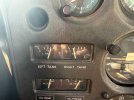
 

Attachments

  • IMG_0284.jpeg
    IMG_0284.jpeg
    2.5 MB · Views: 31
Thoughts?
Who performed the overhaul and what engine break-in procedure was used?
Define "draining oil" in a per hour context?
Have you verified the accuracy of the oil temperature and oil pressure indicators?
 
What oil was used for break-in?

Was the Lycoming break-in procedure followed, or was the engine babied for the first few hours?

Gauges reading high are often due to poor engine grounding.

If the temps really are high, the baffling should be checked to be sure it's all there and correctly installed, and the seals should be in good condition and facing the right way.

The oil cooler may be internally varnished. That insulates the oil from the cooling air, and a new engine has more friction to drive the oil temps up. Might need a new oil cooler.

Five hours per quart after 80 hours is way too much oil consumption. Make sure you're not filling it to the full mark on the dipstick; Lycomings tend to blow out a quart if they're full. Also make sure you have the right dipstick.
 
Who performed the overhaul and what engine break-in procedure was used?
Define "draining oil" in a per hour context?
Have you verified the accuracy of the oil temperature and oil pressure indicators?
Around 1qt every 5 hours,
Plane was bought 50 SMOH, but they claimed to break in the engine in accordance with "standard Lycoming procedures"
 
Plane was bought 50 SMOH, but they claimed to break in the engine in accordance with "standard Lycoming procedures"
While I don't know the back story on why the aircraft was sold with a fresh OH, what you've posted so far point to those "standard Lycoming procedures" where not followed properly... or whatever procedure should have been used. One way to check is to have someone with experience look into the cylinders and see if they are glazed which would confirm that. Unfortunately, the only corrective measure for that is to pull the cylinders, re-hone, and perform the break-in process again. Regardless, even though your oil consumption is below the OEM max, your oil consumption won't get any better if the cylinders are glazed.

As the oil press/temp, as mentioned above, you may want to treat those issues separate from the oil consumption at this point as they may have a different cause. Perhaps dig in the records and see who OH'd engine and if any other work was performed during that time period. Might want to troubleshoot a bit more since the aircraft is so new to you and you have no first knowledge with it. Or maybe question the previous owner a bit more?
 
This is why buying a plane with a low time engine is a crapshoot. You are trusting the last guy to have broken it in properly. As someone who often breaks in engines, it's not always done right. Agree with Bell206 - glazed cylinders with concomitant blow by. Oil pressure is another matter. Last time had to deal with that it turned out to be the gage itself. Gage is tested with a tee and another known good gage for one. Of course could be something else entirely. Lycomings have an easy to access adjuster anyhow.

Alternatively stated: always assume you will be doing the engine (and breaking it in properly) when buying an airplane.
 
When I hear oil temperature, I think about the oil cooler, baffling, what the OAT is, and how the engine is being operated.

When I hear oil pressure, I think about the adjusting pressure via the pressure relief valve.

When I hear “burns oil”, I wonder what quantity you’re filling to (our 172 seems to like 5.5 qts) and how low it’s getting before you’re adding a quart. If you’re using 7 or 8 quarts as your target fill level, I’m not surprised you’re losing oil.
 
The oil pressure gauge is mechanical and if the oil pressure gauge was not replaced with the engine overhaul it is likely incorrect and reading high. The oil pressure is adjustable on the engine and was set during the overhaul. I would not be concerned with that value.

The oil tempeture is a concern. The oil temp is after the oil has passed through the cooler. The carburetor may be running too lean, the vernatherm may have an issue, you may have an obstructed oil cooler.

An incorrectly adjusted throttle linkage or cable on a Lycoming O-360-A4M can prevent the carburetor arm from achieving full travel, potentially causing a lean mixture or restricted cooling airflow/power management issues that contribute to high oil temperatures. This is where I would start.
 
Last edited:
Hello,
I own a 1977 C172N with a recently overhauled O-360-A4M engine. It has around 80 hours on it and is still draining oil quickly. On top of this, the oil temperature and pressure run close to redline (215/240 for the temp and 85/90 psi for the pressure) at cruise. I've talked to my mechanic and he believes the issue is most likely caused because the engine is still relatively new. From what I've seen online, it unfortunately does not seem like this is the case.
Thoughts?
Sorry, it doesn't sound good to me?
It is concerning that your mechanic thinks it's because the engine is newer.
I flew a zero hour/Lycombing factory rebuilt and it quit burning oil at less than 10 hours and never ran hot. It now has almost a 1000 hours and runs the same as it did at 10 hours.
 
Last edited:
A bud had the conversion done 30+ years ago.

That is sort of the early days of modern engine management.

He discovered that his engine was running hot at full throttle.

At that time, there were three different carburetors approved for the

engine. Some ran richer than others. After a few attempts, Lycoming set his

carburetor up and reamed out the economizer jet. End of issue.


Suggest you start with screens, filters, compression check, etc. to

determine if any damage has been done. I would also scope the cylinders.

Pay particular attention to the piston, tops, and see if they are wet with oil.

That is ponds of oil will indicate which jugs Are pumping oil. It could be

that you’re moving oil Through one or two cylinders, either due to glazing

or a broken ring.
 
Are you filling it to seven or eight quarts and refilling after it burns one or two?

Anecdotal, but I’m on my third plane with an O-360 and flew another one for years with a -320, and all of them spat out anything over six quarts. My current one settles to 5.5 and stays there for 12 hours; the previous one liked it just a bit lower.
 
Run the hell out of it. It will fix itself or it won’t. I personally wouldn’t buy a fresh overhaul aircraft unless factory or name brand overhaul. Unless they discounted the engine as mid time.
 
What oil was used for break-in?

Was the Lycoming break-in procedure followed, or was the engine babied for the first few hours?

Gauges reading high are often due to poor engine grounding.

If the temps really are high, the baffling should be checked to be sure it's all there and correctly installed, and the seals should be in good condition and facing the right way.

The oil cooler may be internally varnished. That insulates the oil from the cooling air, and a new engine has more friction to drive the oil temps up. Might need a new oil cooler.

Five hours per quart after 80 hours is way too much oil consumption. Make sure you're not filling it to the full mark on the dipstick; Lycomings tend to blow out a quart if they're full. Also make sure you have the right dipstick.
The oil pressure gauge is mechanical and if the oil pressure gauge was not replaced with the engine overhaul it is likely incorrect and reading high. The oil pressure is adjustable on the engine and was set during the overhaul. I would not be concerned with that value.

The oil tempeture is a concern. The oil temp is after the oil has passed through the cooler. The carburetor may be running too lean, the vernatherm may have an issue, you may have an obstructed oil cooler.

An incorrectly adjusted throttle linkage or cable on a Lycoming O-360-A4M can prevent the carburetor arm from achieving full travel, potentially causing a lean mixture or restricted cooling airflow/power management issues that contribute to high oil temperatures. This is where I would start.
As you both alluded, a recently overhauled engine can present the issues described by the OP when grounding, baffling, cabling, and other concomitant systems are not properly installed and/or adjusted as part of the process. It's also important to inspect the exhaust system and muffler at the same time to preclude any possibility of CO being introduced into the cabin.
 
You have unrelated issues.

1. Check oil pressure with an external gauge off the engine. It may be a little high and if so just adjust using the regulator adjustment above cylinder #3. Counter-clockwise lowers pressure. If high, screw out 1 turn and test again until you get it around 80 at cruise rpm.


2. Check your oil temp system, it’s pretty simple. Baffles good, with good contact to cowl then vernatherm, then temp sender, and last the gauge. The gauge, air parts of lock haven, they will overhaul and make it like new again.

3. Oil consumption has nothing to do with 1 or 2. Just deal with it. Run it at 6 qts and see what happens. If not physically loosing oil, it’s burning it and a light hone and rings, but I’d just fly it.
 
Hello,
I own a 1977 C172N with a recently overhauled O-360-A4M engine. It has around 80 hours on it and is still draining oil quickly. On top of this, the oil temperature and pressure run close to redline (215/240 for the temp and 85/90 psi for the pressure) at cruise. I've talked to my mechanic and he believes the issue is most likely caused because the engine is still relatively new. From what I've seen online, it unfortunately does not seem like this is the case.
Thoughts?
I also have a '77 C172N with the O-360-A4M. I assume you are burning oil? In mine, any amount over 6.5 qts. and you are blowing it overboard. Additionally, the oil pressure and temperature gauges are notoriously inaccurate. Have them checked.
 
Back
Top