Mason
En-Route
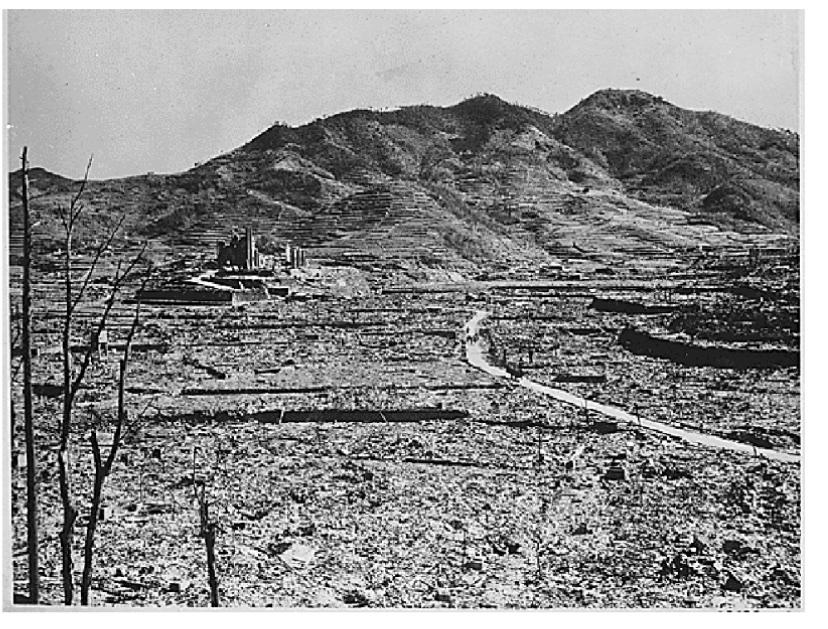
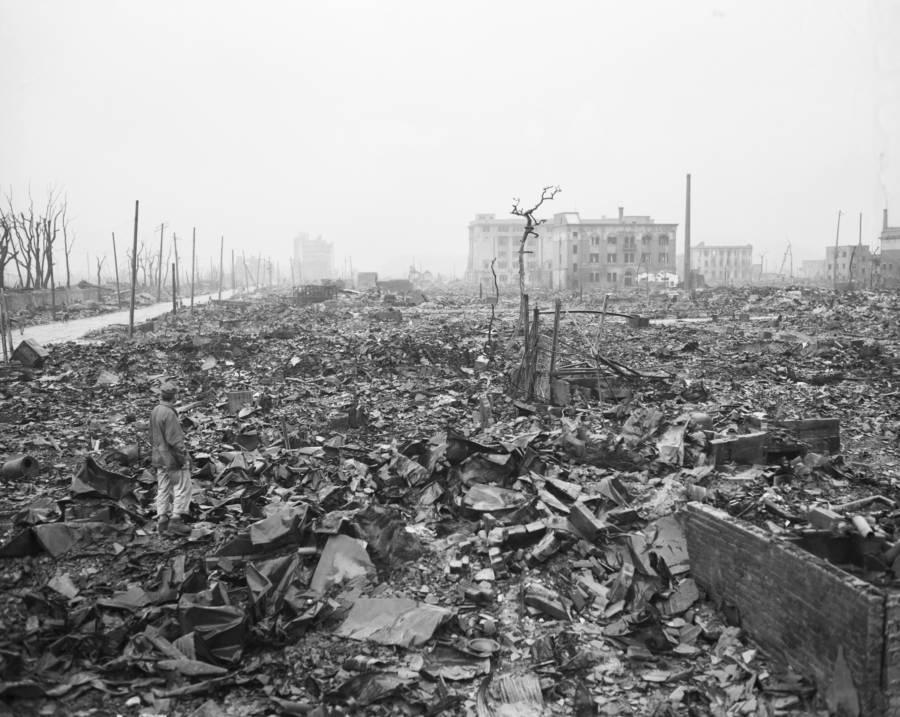
It sure doesn't look that way in Gaza...The paradox is that wars, in real practice, have become less destructive for infrastructure since about 1945, and drastically so since 1975.

It sure doesn't look that way in Gaza...The paradox is that wars, in real practice, have become less destructive for infrastructure since about 1945, and drastically so since 1975.

Hard to tell. Gaza may have looked that way before Israel got mad.It sure doesn't look that way in Gaza...

Assuming we're smart enough to continue avoiding nuclear war.The paradox is that wars, in real practice, have become less destructive for infrastructure since about 1945, and drastically so since 1975.
I had that thought as well. I HOPE that turns out to be the correct explanation.We've only been broadcasting strong radio signals for about 100 years yet we're already moving away from high-power broadcasting in favor of the low-power, local, higher frequency radios of our connected devices. With the inverse square law, our RF fingerprint is already shrinking.
It could be that the period where a civilization is broadcasting high-power RF, which would still be detectable after many light-years of travel, is relatively short.

Probably need a bit more metadata on this one. How many of the ICE fires were while the vehicle was off/at rest? Whether my car burns after a wreck is of lesser consequence (assuming I'm no longer in it) than when I'm at home asleep and it lights my house on fire. I'm not implying EVs are somehow worse about that from a pure risk standpoint, but I don't think just leaving it at "there were X number of ICE fires each year" gives us the best picture of what we're trying to observe.
It sure doesn't look that way in Gaza...