Known icing is not the same as forecast icing or even totally-obvious predictable icing. So you can fly into an icing AIRMET, but don't fly straight through an icing PIREP. The key is to be smart about the weather information available to you, including Skew-T/Log-P charts that will give you a better idea of where the ice may be and how to get out of it if you guess wrong. Then you can go and fly and learn in a somewhat controlled environment.
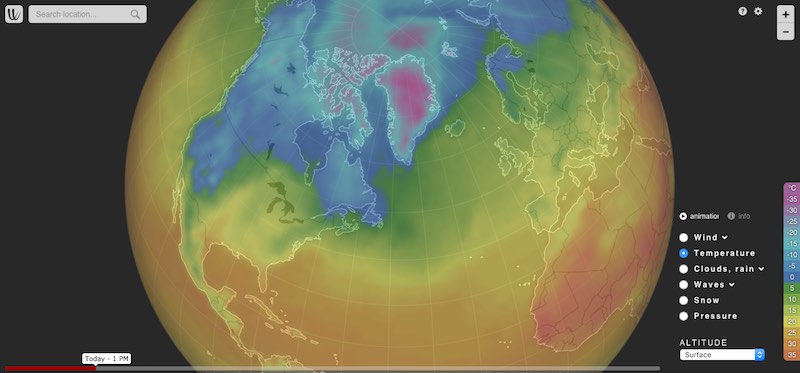
The basic rule is that you can't pick up ice unless you are in visible moisture (cloud or rain) and the temperature is at or below 0C. But that does not mean you will always get ice whenever you are in a cloud and it's below 0C. Generally, avoid clouds and rain when the temperature is between -20C and +5C. Below -20C if you find a cloud it will probably be ice crystals and snow, rather than moisture. Above +5C it is less likely to suddenly drop on you.
Beyond that, here are a few tips I found helpful when starting out in all-season IFR travel. (My mission includes flying out of the frigid north to escape winter, so all seasons are fair game even if all weather is not.) Know the difference between stratus and cumulus clouds and how to escape ice in both. Try to avoid flying when the ceiling is below the minimum IFR altitude on your route, because it takes away the "rough but no ice" escape route beneath the clouds. Keep a flashlight handy to look at the wings at night. Pay attention to your airplane's performance, especially if you're using an autopilot. I like to bug the airspeed I'm cruising at so I get a visual indication of when I'm going slower to maintain altitude, which can mean that the plane is struggling with icing. When in doubt, turn off the autopilot so you are consciously aware of trim changes. Be aware that the propeller is also an airfoil susceptible to icing and its performance can degrade due to ice that you can't see.
If you have any kind of ice-related equipment, know how and when to use it. That includes pitot heat. (My rule is that it's on anytime I am going into visible moisture, at any temperature. Cheap insurance against the airspeed indicator lying to me.)
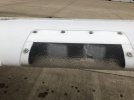
Going back to the definition of "known icing," I look at it like Schroedinger's cat. Whether or not there is ice in the forecast, if you pick up ice, that cat is dead and you are in "known icing." Take immediate action, not just "prompt" action like some might suggest. Report it to ATC and get a different altitude or direction of flight. If you can't get what you need from ATC, then take it on your own. Known icing is either an emergency or soon to become one unless you exercise your PIC authority to get out of it. I have had that conversation with ATC and I promise you that it's not a difficult conversation at all.
In my case, I was picking up ice at 11,000 somewhere over Wyoming and requested wrong-direction 12,000, which they gave me and which got me out of the ice. They offered 13,000 if I needed it, but I didn't want to dig out the oxygen tank too soon so I waited. They also told me that I would lose radio contact for a bit and gave me a frequency to try after 20 minutes or so. In the radio dead zone, the ice came up to 12,000 so I needed that 13,000 feet and neither frequency was responding. I transmitted, "we are leaving 12,000 for 13,000 due to icing," then when I got in touch with the next controller I checked in, "assigned 12,000, level 13,000." The response was basically "say why you left your assigned altitude," my answer was "we were picking up ice," and ATC said, "roger, maintain 13,000." No phone number, no follow-up, just a very friendly controller who was as happy as I was that I was shedding ice at the wrong altitude rather than falling out of the right one.
In my experience, spring and fall are worse for flying than winter. But you can get icing on the 4th of July if you know where to look for it. All IFR pilots should study and respect ice, so they can avoid it without simply avoiding the skies altogether. I still prefer to fly over the clouds in an icing AIRMET than to drive on the icy roads beneath them.