*** Final Report ***
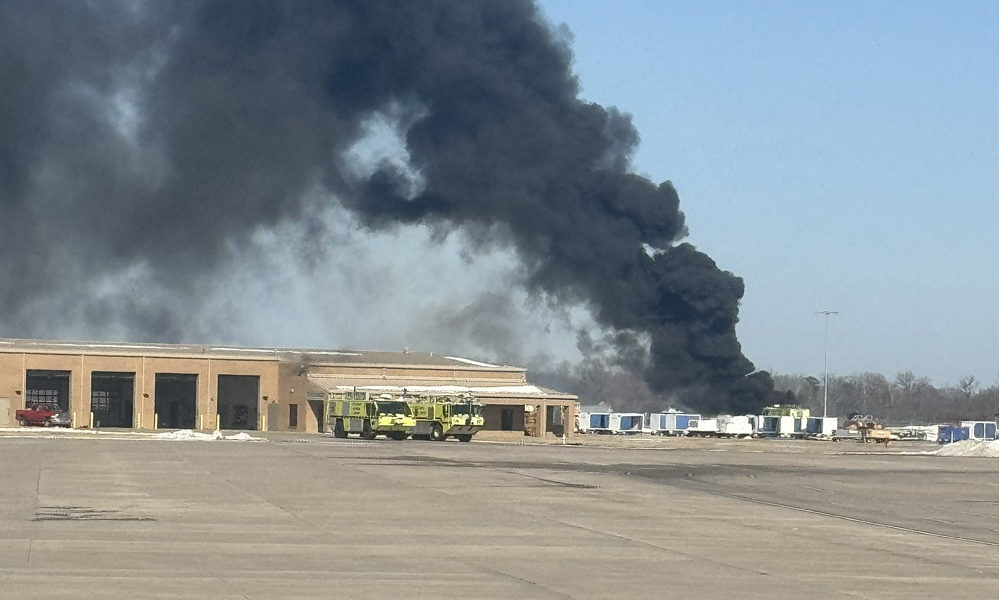
N255JP Cirrus SR22 Little Rock Arkansas 21 JAN 2024
1 Fatal
Pilot Flight Time: 22000 hours (Total, all aircraft), 15.2 hours (Total, this make and model)
The pilot planned on flying the airplane on a personal cross-country flight. The air temperature at the departure airport was about 28°F when the pilot attempted to start the airplane engine for the flight. There were an excessive number of engine start attempts by the pilot, which he attributed to the cold weather and flooding the engine. Once he started the engine, he immediately taxied the airplane without allowing the engine to warm up. Recorded data showed that an engine run-up was not performed as prescribed in the airplane’s before takeoff checklist. Recorded data also showed the engine oil reached its minimum temperature limit about 11 minutes after engine start, which was about 2 minutes before the start of takeoff.
During the departure climb, the engine manifold pressure exceeded its maximum limitation, the fuel flow entered its caution range, and oil pressure was near its upper normal range limit, all of which were indicative of the viscous effects of cold oil, which induced an excessively rich mixture. The pilot then reported that the engine lost power, and recorded data showed that engine power and airspeed gradually decreased. The airplane then entered an aerodynamic stall, descended, and impacted an area next to the departure runway.
Postaccident examination of the airplane did not reveal any anomalies that would have precluded normal operation.
The engine had been modified through a supplemental type certificate (STC) with the installation of a turbocharging system. There was no change in engine oil temperature limits with the installation of the turbocharger but there were changes in fuel flow and oil pressure limits. The STC flight manual supplement stated that if manifold pressure exceeded normal limits, engine throttle should be reduced. The supplement further stated that engine parameters should read in the green during takeoff and noted that manifold pressure may temporarily increase with an associated increase in fuel flow due to cooler oil temperatures.
The pilot completed training in the airplane about 10 days before the accident, during which he accumulated 10 hours of flight time. The pilot’s total experience flying airplanes powered by turbocharged engines was unable to be determined.
Probable Cause and Findings:
Failure to maintain airplane control after a partial loss of engine power during initial climb. Contributing to the accident was the pilot’s failure to follow airplane flight manual procedures and limitations for the turbocharged engine, which resulted in a loss of engine power due to cold weather effects on the turbocharger control system.