

You are using an out of date browser. It may not display this or other websites correctly.
You should upgrade or use an alternative browser.
You should upgrade or use an alternative browser.
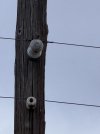
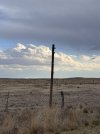
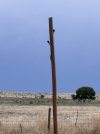
[NA]burning rural utilities question
- Thread starter Let'sgoflying!
- Start date

midwestpa24
Final Approach
Electricity would be my guess. Only reason to need three wires and insulators.
Let'sgoflying!
Touchdown! Greaser!
It seemed a bit crazy how the lines were so easily accessible to the public back then.
The low point is sometimes 7' agl lol.
I'm guessing it's 1940-50's infrastructure?
Back when children were a disposable commodity?
The low point is sometimes 7' agl lol.
I'm guessing it's 1940-50's infrastructure?
Back when children were a disposable commodity?
midwestpa24
Final Approach
It seemed a bit crazy how the lines were so easily accessible to the public back then.
The low point is sometimes 7' agl lol.
I'm guessing it's 1940-50's infrastructure?
Back when children were a disposable commodity?
Probably weren't 7 feet high when first installed.
Even wilder, my money is that is primary voltage, 4k volts or higher.

geneseib
Line Up and Wait
Back in the 60's my Dad carried a rake on his combine so he could raise the line up enough to drive under it. (The lower one was the ground wire.)It seemed a bit crazy how the lines were so easily accessible to the public back then.
The low point is sometimes 7' agl lol.
I'm guessing it's 1940-50's infrastructure?
Back when children were a disposable commodity?
MauleSkinner
Touchdown! Greaser!
Back in the ‘80s my dad bumped the bottom wire with his sprayplane and wrapped it around the top one. The power company was on site before he got back with his next load.Back in the 60's my Dad carried a rake on his combine so he could raise the line up enough to drive under it. (The lower one was the ground wire.)

Dana
Final Approach
You should see the power infrastructure in the state park where our cabin is. A lot of the wires are still attached to trees! 1930s standard. And right now, a windy day, no power, no surprise.It seemed a bit crazy how the lines were so easily accessible to the public back then.
The low point is sometimes 7' agl lol.
I'm guessing it's 1940-50's infrastructure?
Back when children were a disposable commodity?
DreadPirateWill
Pre-Flight
- Joined
- Dec 23, 2020
- Messages
- 57
- Display Name
- DreadPirateWill
I've seen some goofy comm stuff, but usually only still standing near railroad.
That looks like power, and non zero chance it's near 90 years old.
Rural Electrification Act of 1936 was a New Deal program that made money available to stretch power out to farms. Regulation at the time was such that a lot of those lines were built by said farmers(with apropos farmer ingenuity - "good enough").
One of the criteria when the utility I work at started mapping everything in GIS nearly 30 years ago was that we were not going to input barbed wire as a conductor. It was still out there energized at primary voltage, but we took that as an opportunity to reconductor rather than catalog the old stuff.

SCCutler
Touchdown! Greaser!
- Joined
- Feb 27, 2005
- Messages
- 17,409
- Display Name
- Spike Cutler
- Home Airfield
- T82
I saw bare wires in worse condition behind our old house in Dallas - the utility would repair one segment (as in, the wires between two poles) only when they got damaged, typically by a tree landing on it. We were in the section the very farthest from the substation, so a failure on our block only affected 3-6 customers, so Oncor never saw fit to replace all the old wires with new, so they failed all the time.
Now, I live in the country, serviced by a Coop, and my power is much more reliable than ever it was in Dallas, and when outages occur, they are rectified much faster.
Now, I live in the country, serviced by a Coop, and my power is much more reliable than ever it was in Dallas, and when outages occur, they are rectified much faster.
MauleSkinner
Touchdown! Greaser!
Well, where are you supposed to attach the crimp connectors for sub-circuits?!?One of the criteria when the utility I work at started mapping everything in GIS nearly 30 years ago was that we were not going to input barbed wire as a conductor.

DreadPirateWill
Pre-Flight
- Joined
- Dec 23, 2020
- Messages
- 57
- Display Name
- DreadPirateWill
There's part of the problem, manufacturers don't exactly make electric crimp connectors and the like for barbed wire. Educated guess is they likely used western union splices on it.Well, where are you supposed to attach the crimp connectors for sub-circuits?!?
Also of note the only way to reconductor steel that old hot is to use a hammer on a hot stick and bust the old insulators to get the wire out on a hot arm. Tie wire basically rusts everything together. A fair amount of legitimate steel conductor(Amerductor and the aptly named Crapo) was used in WWII, mostly gone at this point.
Porcelain and Glass have both long been used. Fiberglass/Polymer have come in to play over the last 40-50 years or so.Porcelain insulators for electric
One of my trivia items for new folks and students is an old glass insulator with a cross hatch on top and a through hole and a wider donut of glass around the base. About 2" tall.
It's a lightning rod insulator - donut at the base is where a cast iron nail plate would hold it to the side of the barn and a copper ground wire would be tied up top up to your lightning rod. Idea is it'd blow the conductor off and not blow up your barn or light it on fire.

One my ag pilot friend's CB 'handle' back in the 70's was "Highline"... for the obvious reason. Fortunately, no serious injuries to him.Back in the ‘80s my dad bumped the bottom wire with his sprayplane and wrapped it around the top one. The power company was on site before he got back with his next load.