

Ted
Twin Engine Ted
- Joined
- Oct 9, 2007
- Messages
- 30,130
- Display Name
- iFlyTwins
- Home Airfield
- KMKC
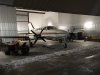
Last week I took the 414 to DeLand, FL to have the new 4-bladed MT propellers installed at MT-USA’s facility. For those who haven't been following the saga of the 414's propellers, this decision was made due to having issues with the old threaded-hub McCauley propellers that were originally on this plane. The MT propellers were the best value for us, thanks to a generous discount by MT (for which I thank them profusely) and the improvements in weight, efficiency, and resale value that we expected.
I wanted to have a solid back-to-back comparison between the old and new propellers. This is challenging, but I think I did as well as could be done given the circumstances. Flying from Kansas to Florida, I filed for FL190. Filing from Florida to NYC I also filed for FL190. Due to headwinds, we ended up having to land for a fuel stop in Virginia. Obviously takeoff and climb temperatures in Florida were hotter than Kansas, but they were about identical coming out of Virginia. Temperatures at FL190 were about the same for both legs, just going from hot to cold instead of cold to hot. This does change things a bit, but as I’ll discuss shortly, if anything that makes the results more impressive. Our fuel and cargo loads were the same, other than on the flight home we also had the old propellers (disassembled) in the aircraft, which was approximately an extra 150 lbs.
The installation at MT was simple and straightforward. The MT staff is friendly, professional, and have a good work ethic. They said to allow 1.5 days. We gave them 2.5 days since we wanted some more time in Florida anyway. I would absolutely recommend having this work done at MT in Florida. They were also helpful in finding another propeller shop to disassemble the old propellers, allowing me to fly them back. We will be hanging one on our wall at home and selling the other for someone else to hang on their wall.
I’ve put about 10 hours on these propellers since install. The summary is that they are a huge improvement that outperformed the claims of MT. MT makes several claims about these propellers:
- 3-5 kts improved cruise speed
- 5-8% improvement in climb rate
- Shorter takeoff roll
- Quieter cabin
- 20 lbs weight savings
At FL190, I saw improvements of 6 KTAS. This was perhaps most impressive at the start of the flight, where the OATs were higher on the post-conversion flight than on the flight to Florida. Going to Florida, initial cruise speeds at FL190 showed 140 KIAS which later rose to 145. This improved to 142-143 KIAS initial rising to 147-150. Note this means the plane had a higher indicated airspeed despite also having a higher OAT and thus higher density altitude, with the same MP/RPM/Fuel Flow. On the flight south, I saw 188-194 KTAS. On the flight north, it was 195-200+. The plane still doesn’t quite make book numbers (none of these planes do), but these propellers get it much closer than it was.
The climb rates leaving Florida were about the same as leaving Kansas, but remember the temperature difference. In Florida, it was around 75F when we left with the new propellers, and we were ~150 lbs heavier. Leaving Kansas with the old propellers it was 25F. Our fuel stop in Virginia had temperatures similar to the Kansas departure, where we saw cruise climb rates of 100-200 FPM faster than previous. For cruise climb (31.5”/2450 RPM) this increased initial climb rate from 750 FPM to 850-950 FPM, or approximately 13-26% improved climb rate.
The weight savings was better than promised. MT explained that the 20 lb is basically the minimum you will save with these propellers based on the various combinations available. As part of the STC, they weigh the old propellers and the new ones. In this case, we saved 27 lbs.
The quieter cabin is interesting. I bought a dB meter to make a before and after comparison. The dB meter showed no difference between the old and new propellers for the same RPM. However, the frequency of the propeller noise is higher, as you would expect with the 4th blade. Our perception is that these propellers are quieter. My wife and I were able to talk up front with headsets off comfortably. Our children in back previously had to plug their moves into headsets to hear them. Now, the built-in speaker on their Amazon Fire is loud enough to hear clearly. My wife said her perception was that the plane was much quieter in the back, and still quieter in the front. Before the plane was almost unbearable from a noise perspective without my Zulus. Now, the Zulus don’t make much of a difference. So the plane is definitely quieter, although I don’t have a scientific number.
Takeoff roll I can’t measure very well. The 414 is not very good at short-field takeoffs, and this wasn’t something I particularly cared about. So I’ll say it’s about the same. Others have also noted lower CHTs. Without an engine monitor, I can’t say one way or the other. The single-probe CHT did not show any difference, but I wouldn’t trust that to tell me anything significant.
The only significant handling difference is on landing. The engine braking improvement from the 4-bladed propellers is significant. It’s not to the level of a turboprop at flight idle, but it’s a noticeable improvement. For me, this is a big positive. I like being able to be easier on the brakes.
I wouldn’t call this a transformation, but it’s a very significant improvement. While this STC doesn’t make you think you’re flying a turboprop, it does give you some very significant, tangible benefits. Our primary goals were efficiency improvements and weight reduction. These props did both wonderfully. It’s also worth noting that the improved climb rate helps make higher altitudes more appealing by decreasing time-to-climb, which also improves airspeed further. This past summer when I started flying the plane, I found myself not wanting to fly in the flight levels due to the long time to climb. 12-16k were the preferred altitudes, and I saw a fairly consistent 180-183 KTAS. So for the same conditions I was seeing ~6 knots faster TAS, but by opening up altitudes I previously would not have used, these propellers end up giving me a 10+ KTAS improvement.
I will say that I think Cloud Nine's 414 was an ideal candidate for this conversion. One thing that MT stated was that they saw a range of improvements depending on the installed propellers and their condition. These were old propellers with a poor blade design that weren’t in very good condition. If you were comparing to new Hartzell Scimitar propellers, I suspect you would see less of a performance improvement, but probably a greater weight reduction as I believe those Hartzell props weigh more than the old threaded-hub McCauleys.
Overall, I’m extremely pleased with the upgrade. It outperformed the promises, and has gone a long way towards making the plane faster and more efficient.
I wanted to have a solid back-to-back comparison between the old and new propellers. This is challenging, but I think I did as well as could be done given the circumstances. Flying from Kansas to Florida, I filed for FL190. Filing from Florida to NYC I also filed for FL190. Due to headwinds, we ended up having to land for a fuel stop in Virginia. Obviously takeoff and climb temperatures in Florida were hotter than Kansas, but they were about identical coming out of Virginia. Temperatures at FL190 were about the same for both legs, just going from hot to cold instead of cold to hot. This does change things a bit, but as I’ll discuss shortly, if anything that makes the results more impressive. Our fuel and cargo loads were the same, other than on the flight home we also had the old propellers (disassembled) in the aircraft, which was approximately an extra 150 lbs.
The installation at MT was simple and straightforward. The MT staff is friendly, professional, and have a good work ethic. They said to allow 1.5 days. We gave them 2.5 days since we wanted some more time in Florida anyway. I would absolutely recommend having this work done at MT in Florida. They were also helpful in finding another propeller shop to disassemble the old propellers, allowing me to fly them back. We will be hanging one on our wall at home and selling the other for someone else to hang on their wall.
I’ve put about 10 hours on these propellers since install. The summary is that they are a huge improvement that outperformed the claims of MT. MT makes several claims about these propellers:
- 3-5 kts improved cruise speed
- 5-8% improvement in climb rate
- Shorter takeoff roll
- Quieter cabin
- 20 lbs weight savings
At FL190, I saw improvements of 6 KTAS. This was perhaps most impressive at the start of the flight, where the OATs were higher on the post-conversion flight than on the flight to Florida. Going to Florida, initial cruise speeds at FL190 showed 140 KIAS which later rose to 145. This improved to 142-143 KIAS initial rising to 147-150. Note this means the plane had a higher indicated airspeed despite also having a higher OAT and thus higher density altitude, with the same MP/RPM/Fuel Flow. On the flight south, I saw 188-194 KTAS. On the flight north, it was 195-200+. The plane still doesn’t quite make book numbers (none of these planes do), but these propellers get it much closer than it was.
The climb rates leaving Florida were about the same as leaving Kansas, but remember the temperature difference. In Florida, it was around 75F when we left with the new propellers, and we were ~150 lbs heavier. Leaving Kansas with the old propellers it was 25F. Our fuel stop in Virginia had temperatures similar to the Kansas departure, where we saw cruise climb rates of 100-200 FPM faster than previous. For cruise climb (31.5”/2450 RPM) this increased initial climb rate from 750 FPM to 850-950 FPM, or approximately 13-26% improved climb rate.
The weight savings was better than promised. MT explained that the 20 lb is basically the minimum you will save with these propellers based on the various combinations available. As part of the STC, they weigh the old propellers and the new ones. In this case, we saved 27 lbs.
The quieter cabin is interesting. I bought a dB meter to make a before and after comparison. The dB meter showed no difference between the old and new propellers for the same RPM. However, the frequency of the propeller noise is higher, as you would expect with the 4th blade. Our perception is that these propellers are quieter. My wife and I were able to talk up front with headsets off comfortably. Our children in back previously had to plug their moves into headsets to hear them. Now, the built-in speaker on their Amazon Fire is loud enough to hear clearly. My wife said her perception was that the plane was much quieter in the back, and still quieter in the front. Before the plane was almost unbearable from a noise perspective without my Zulus. Now, the Zulus don’t make much of a difference. So the plane is definitely quieter, although I don’t have a scientific number.
Takeoff roll I can’t measure very well. The 414 is not very good at short-field takeoffs, and this wasn’t something I particularly cared about. So I’ll say it’s about the same. Others have also noted lower CHTs. Without an engine monitor, I can’t say one way or the other. The single-probe CHT did not show any difference, but I wouldn’t trust that to tell me anything significant.
The only significant handling difference is on landing. The engine braking improvement from the 4-bladed propellers is significant. It’s not to the level of a turboprop at flight idle, but it’s a noticeable improvement. For me, this is a big positive. I like being able to be easier on the brakes.
I wouldn’t call this a transformation, but it’s a very significant improvement. While this STC doesn’t make you think you’re flying a turboprop, it does give you some very significant, tangible benefits. Our primary goals were efficiency improvements and weight reduction. These props did both wonderfully. It’s also worth noting that the improved climb rate helps make higher altitudes more appealing by decreasing time-to-climb, which also improves airspeed further. This past summer when I started flying the plane, I found myself not wanting to fly in the flight levels due to the long time to climb. 12-16k were the preferred altitudes, and I saw a fairly consistent 180-183 KTAS. So for the same conditions I was seeing ~6 knots faster TAS, but by opening up altitudes I previously would not have used, these propellers end up giving me a 10+ KTAS improvement.
I will say that I think Cloud Nine's 414 was an ideal candidate for this conversion. One thing that MT stated was that they saw a range of improvements depending on the installed propellers and their condition. These were old propellers with a poor blade design that weren’t in very good condition. If you were comparing to new Hartzell Scimitar propellers, I suspect you would see less of a performance improvement, but probably a greater weight reduction as I believe those Hartzell props weigh more than the old threaded-hub McCauleys.
Overall, I’m extremely pleased with the upgrade. It outperformed the promises, and has gone a long way towards making the plane faster and more efficient.


