Cigarette lighter isssue

Stormswift

Pre-Flight
Joined
May 13, 2024
Messages
35
Display Name
Stormswift
Good afternoon. I wanted to see if someone has a suggestion. My son's 150 Aerobat had pre installed ciggarette lighter. It stopped working. We are wondering about location of the fuse which may have blown. He looked in the cockpit but fuse that was marked as cig lighter turned off something else when hi flicked it. Is there another somewhere we should look? It should be some thing like 20 w fuse I think?
 
It's probably a 10A inline fuse buried in a bundle ziptied under the panel somewhere. With the help of some advil and the kama sutra, you (or your son) should be able to lie down diagonally on the seat and get your head down by the rudder pedals without taking the seats out. Bring a pillow and a flashlight. Good luck.
 
There is an Airworthiness Directive from 1979 against those cigarette lighters: https://drs.faa.gov/browse/ADFRAWD/doctypeDetails?modalOpened=true

From that AD:

To prevent an inflight electrical system failure, smoke in the cockpit, and/or fire in the wire bundle behind the instrument panel, accomplish the following:

A) Disconnect the wire, at the ammeter or at the electrical system bus as applicable, that connects the bus to the cigar lighter receptacle. (The wire is connected to either the bus side or equipment side of a circuit breaker or to the ammeter.) Following the disconnection of this wire either:

1) Reconnect the wire to the electrical bus by using an existing or newly installed circuit protection device that is properly rated to protect the wire gauge used for this circuit, or

2) Disconnect the wire from the lighter receptacle at the opposite end and remove it from the airplane, or

3) Protect the wire by insulating its disconnected end, fold this wire end back against the wire bundle in which it is routed and secure it to that bundle.


You need to get into the airplane's logs and find it. There should be some details as to how they accomplished it: a fuse, or disconnected altogether. There is a good chance the AD was never complied with (dangerous and illegal, since these things were known to start electrical fires, hence the AD), or some previous owner reconnected it.

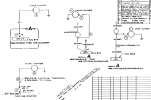
From the service manual, older 150s shown here:

1753297873084.png

Note that some of them had a wire coming off the bus or some other unfused supply, with no fuse in the line until yo get to the cigarette lighter. That unfused section of line is a risk. The AD demands that the supply be the bus bar itself, with a suitable circuit protection device at that point.

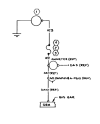
Newer 150s:

1753297962578.png
Here they saved a buck or two by using the ammeter as a supply point. The fuse was a 9-amp fuse. Again, that supply point is now illegal and has been for 46 years.

Many airplanes ended up complying with the AD by getting the bus-connection thing and a fuse of maybe 5 amps, as the only thing the lighter socket was used for was to power a portable intercom or GPS or other such stuff. The fuse holder was often an inline holder right at the bus bar. The contacts in that holder and on the fuse get oxidized and stop conducting.

 
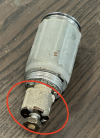
Even if it was properly modified with the fuse, pretty much every one I've ever seen in a Cessna also still has the circuit breaker attached at the back of the lighter socket, since the instructions for adding the fuse didn't say to remove it. This is also prone to corrosion and failure, and depending on the size of the installed upstream fuse, can also trip out independently of the fuse. Can look at the back of the socket to see if breaker is still installed and use a multimeter to test if there is power coming up to that terminal.
 

Attachments

  • Screenshot 2025-07-23 at 12.31.28.png
    Screenshot 2025-07-23 at 12.31.28.png
    1 MB · Views: 24
There is an Airworthiness Directive from 1979 against those cigarette lighters: https://drs.faa.gov/browse/ADFRAWD/doctypeDetails?modalOpened=true

From that AD:

To prevent an inflight electrical system failure, smoke in the cockpit, and/or fire in the wire bundle behind the instrument panel, accomplish the following:

A) Disconnect the wire, at the ammeter or at the electrical system bus as applicable, that connects the bus to the cigar lighter receptacle. (The wire is connected to either the bus side or equipment side of a circuit breaker or to the ammeter.) Following the disconnection of this wire either:

1) Reconnect the wire to the electrical bus by using an existing or newly installed circuit protection device that is properly rated to protect the wire gauge used for this circuit, or

2) Disconnect the wire from the lighter receptacle at the opposite end and remove it from the airplane, or

3) Protect the wire by insulating its disconnected end, fold this wire end back against the wire bundle in which it is routed and secure it to that bundle.


You need to get into the airplane's logs and find it. There should be some details as to how they accomplished it: a fuse, or disconnected altogether. There is a good chance the AD was never complied with (dangerous and illegal, since these things were known to start electrical fires, hence the AD), or some previous owner reconnected it.

From the service manual, older 150s shown here:

View attachment 143176

Note that some of them had a wire coming off the bus or some other unfused supply, with no fuse in the line until yo get to the cigarette lighter. That unfused section of line is a risk. The AD demands that the supply be the bus bar itself, with a suitable circuit protection device at that point.

Newer 150s:

View attachment 143177
Here they saved a buck or two by using the ammeter as a supply point. The fuse was a 9-amp fuse. Again, that supply point is now illegal and has been for 46 years.

Many airplanes ended up complying with the AD by getting the bus-connection thing and a fuse of maybe 5 amps, as the only thing the lighter socket was used for was to power a portable intercom or GPS or other such stuff. The fuse holder was often an inline holder right at the bus bar. The contacts in that holder and on the fuse get oxidized and stop conducting.
Thank you much. My son rarely used it if ever .it stopped working after the annual so I wonder if it was disconnected at that time. I would love to get the circuit protector installed and have that operational or replace with a C-Charger. I did see this circular when I did initial search. I will have my son have a mechanic look at it and disconnect complety if it is a safety issue from directives and does not have any orotection. We have plenty of power bricks he can use on his trips my main concern is his iPad . Want to make sure it stays charged
 
Check near the battery. Mine is an inline about 6 inches from battery box. They were originally un fused off the ammeter. If you have an ammeter it may be close to that. Mine had a new wire run from battery.
 
Check near the battery. Mine is an inline about 6 inches from battery box. They were originally un fused off the ammeter. If you have an ammeter it may be close to that. Mine had a new wire run from battery.
The problem with the battery-direct-to-lighter idea is that you can't shut it off if its wire shorts and starts smoking, which is why that AD mandates the supply be from the bus, which is shut off by the master.

Normally, the only items connected to the battery are the clock, hourmeter, and once in a while a keep-alive line for avionics memory. And they use tiny fuses, for obvious reasons.
 
Even if it was properly modified with the fuse, pretty much every one I've ever seen in a Cessna also still has the circuit breaker attached at the back of the lighter socket, since the instructions for adding the fuse didn't say to remove it. This is also prone to corrosion and failure, and depending on the size of the installed upstream fuse, can also trip out independently of the fuse. Can look at the back of the socket to see if breaker is still installed and use a multimeter to test if there is power coming up to that terminal.
Thank you everyone. My son says that right under the lighter on the panel it says "lighter " as if it was factory installed which I do not think is possible . Its a 1969/1970 Aerobat. I don't think they came with pre installed lighters
The problem with the battery-direct-to-lighter idea is that you can't shut it off if its wire shorts and starts smoking, which is why that AD mandates the supply be from the bus, which is shut off by the master.

Normally, the only items connected to the battery are the clock, hourmeter, and once in a while a keep-alive line for avionics memory. And they use tiny fuses, for obvious reasons.
We looked through the logs and while it did not say where they connected it to it was done in 2013 and supposedly came with a fuse preinstalled. I personally think it needs to be disconnected until we find the other part that prevents shorting out, fires etc.
 
Thank you everyone. My son says that right under the lighter on the panel it says "lighter " as if it was factory installed which I do not think is possible . Its a 1969/1970 Aerobat. I don't think they came with pre installed lighters
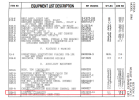
You need to crack open the POH for that airplane. You do have one, right? It's legally required. In the weight and balance section you will find an equipment list with pages of specs for installed equipment. For a 150M, which I find online, one of those pages looks like this:

1753375145253.png
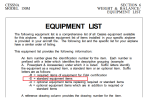
Line G34-S is the cigarette lighter. At the head of that Equipment List section, we find this:

1753375276931.png

The -S in G34-S means that it's a standard equipment item. All 150M got it, and I'd bet that almost every other 150 model got it too. Your POH will tell you.

We looked through the logs and while it did not say where they connected it to it was done in 2013 and supposedly came with a fuse preinstalled. I personally think it needs to be disconnected until we find the other part that prevents shorting out, fires etc.
The thing on the back of the lighter socket is a self-resetting breaker and does not qualify for the fuse or breaker mentioned in the AD, since it is not located at the bus. The wire is therefore unprotected unless the circuit protection is at the source (the bus), not at the load. Fuses and breakers are meant to protect the wiring, not the device, since any short or other overload will make that wire get red-hot and set fire to other stuff around it.

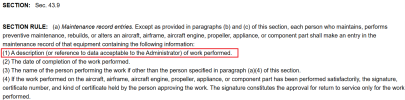
I wish mechanics would get into the habit of giving more details about their work in the logs. I always did, and it was often handy to me myself when troubleshooting. Canadian law requires those details, and I'd bet that the FARs do, too.

Edit: they do, indeed.

1753385183105.png
__________________________________________________________


A common bad example is the "All ADs complied with" seen in logs for every annual. No details about which ADs were checked, or how they were tested or inspected. With statements like that I always had my eyes open, since the lazy writers of such stuff often missed ADs that had not been complied with, and I found many like that. The owner is not getting the safety he's paying for.
 
Last edited:
Good afternoon. I wanted to see if someone has a suggestion. My son's 150 Aerobat had pre installed ciggarette lighter. It stopped working. We are wondering about location of the fuse which may have blown. He looked in the cockpit but fuse that was marked as cig lighter turned off something else when hi flicked it. Is there another somewhere we should look? It should be some thing like 20 w fuse I think?


BTW, you don’t say how you know it stopped working, but presumably whatever gets plugged in no longer gets power. Have you checked the fuse in the plug? There’s usually one in the tip of the plug.
 
BTW, you don’t say how you know it stopped working, but presumably whatever gets plugged in no longer gets power. Have you checked the fuse in the plug? There’s usually one in the tip of the plug.
We found out that there was a build in lighter that was replaced in 2013 with the one that has a fuse. We made a decision to turn it off co.pletely. we have many bricks plus a big charging station that can keep iPad and phone charged for a very long time as needed and not create possible fire hazard. . So that got done today
Thank you again to everyone who responded and all of the suggestions. If at some point there is something safer that can be installed we might go for that but with the current weather/heat and the history of these lighters it's just not worth the risk
 
I had a similar problem with my 1975 172M. The cigar lighter had been connected properly through a 10 amp fuse per AD 79-08-03, but it still wasn't working. As I remember, I found a reset button on the back of the lighter. It wasn't obvious at first as it was obscured by the wire lug. I had to reposition that to get access to the little pinhole in the back of the lighter. I used a straightened paper clip to reset it. Works fine now.
 
The lighter socket in my Beech was not standard equipment. It was installed by a shop many years ago (and I do have the paperwork and log entry), but they used one of the in-line fuses. When I had my radio and panel work done, I had the avionics shop remove that fuse and install a conventional panel-mount fuse for me. I would have preferred a breaker, but it wouldn't fit where I needed it.
 
Personally think the best thing to do with the lighter is replace it with a USB power port. The lighter can start a fire with correct use as a lighter, and if the AD was not done or improperly done.

Agree with another poster about vague logbook entires, but that ship probably sailed 70 years ago or more. If nothing else, a little detail can help when doing the same job again some years later.
 
We found out that there was a build in lighter that was replaced in 2013 with the one that has a fuse. We made a decision to turn it off co.pletely. we have many bricks plus a big charging station that can keep iPad and phone charged for a very long time as needed and not create possible fire hazard. . So that got done today
Thank you again to everyone who responded and all of the suggestions. If at some point there is something safer that can be installed we might go for that but with the current weather/heat and the history of these lighters it's just not worth the risk
Be sure to label it INOP. :biggrin:
 
Back
Top